TIPS TO SAVE UP, SAVE ON THE MOVE, AND SAVE THE WORRY.
Where on Earth to begin with this (pardon the pun)… the inconvenient essential- money! There’s so much to talk about with this and so many variables depending on ideals and circumstances that it’s a challenge to generalise. But if you’re budgeting but looking to experience some incredible things, here are our tips for you! Let’s dive right in…
What to consider:
Once you have a vague plan down, the primary element to consider- the essential, is of course, money. It goes without saying that this is based on a huge number of variables, depending on personal circumstances, the job or career you may have, where you want to go, whether you’re willing to work whilst you travel, in what kind of style you want to be and for how long you want to be away. Last-minute deals can occasionally be perfect but to rely on them for bigger plans might end in disappointment.
When considering the money aspect, unless you’re intending to be completely spontaneous or work while you travel, it is beneficial to have a fairly good idea of how far your money might stretch.
KEY THINGS TO THINK ABOUT BEFORE YOU GO:
- The cost of the country you’re going to (compared to the country you’re from). Basically, how far will your money stretch? £500 might see you through 1 week with a few activities and some decent food in New Zealand whereas £500 might fund you through two cheap months in Thailand.
- Don’t forget the little things! If you’re planning on staying in hostels, things like laundry can cost about £8 per wash all things included (which is why it can sometimes be a treat and a money-saver to bag an Air BnB with laundry facilities for a couple of nights every now and again). Consider the souvenirs you might want to keep- although if you’re like us you might be a fan of the free stuff like pebbles and pictures.
- Book a couple of big things you couldn’t miss, in advance. Although you’ve still spent the same amount of money in the end, I can promise you, when you’re stood in the queue for a once in a lifetime activity, knowing you paid months ago, it feels like a big sigh of relief. Still keep most things spontaneous, but lock in what you really need to do or things that would ruin the actual fundamental plan you have if they were fully booked! For example, we booked our Kiwi bus tour a week before, we booked volunteering in India months in advance – also VISAs can be costly, but of course they have to be sorted in advance! We booked all our flights in advance at one time. (Side-note: advance bookings are more essential than ever in Covid times!)
- How long you intend to be away for. Of course, the longer you intend to be away, the more expensive things will become, no whole day is free! Think about how much, on average, a place to sleep and food will cost- the real essentials – for the approximate length of time you intend to be away for a rough budget. As tempting as it can be, don’t underestimate how much you’ll spend, overestimate – When we planned our big trip, we had a rough idea of what activities sounded appealing on the websites but in actuality, when your new friends are all persuading you to join them on an activity you never thought you’d do, it is pretty hard to refuse when you enter the ‘f-it mindset’ so try to overestimate to avoid nasty surprises or chronic FOMO. And the worst case is you have money left over in the end!
- What kind of lifestyle you want. We have met people on our adventures who are perfectly happy to chill around from hostel to hostel, walking around town and eating noodles, watching Netflix every other day to save money and that’s totally cool! We have met people wanting to do every activity available and dine out for every meal! There is an in between of course. So consider in advance your own expectations of your quality of living. If you intend to do more activities, treat yourself on the occasion to some local cuisine or maybe a private hostel room instead of a 20 bed sharer every once in a while (such perks can really keep you happy!), you should really take that into consideration when budgeting.
- Flights. One of the main expenses. Unless you intend to stay in a land-locked area such as Europe or America where you can travel by car, train or bus (when you can- do any of these instead of flying, not only to save money, but to help towards saving the planet!), flights are a huge expense, we’d recommend booking them in advance (youth tickets if applicable!) with a company who can do it all for you, with insurance. Look into routes that look sensible beforehand, but let someone else do the heavy lifting so you don’t end up paying in various currencies on various websites or ending up flying for 24 hours in a tin can or having 48 hour layovers! Find your balance.
- Spare money- just in case! Not to sound like an over-protective parent, but having a little money set aside just in case of an inevitable disaster, whether that be a missed flight, a change of non-refundable accommodation etc. – you don’t want a nigh on inevitable hiccup to blow your whole trip out the water!
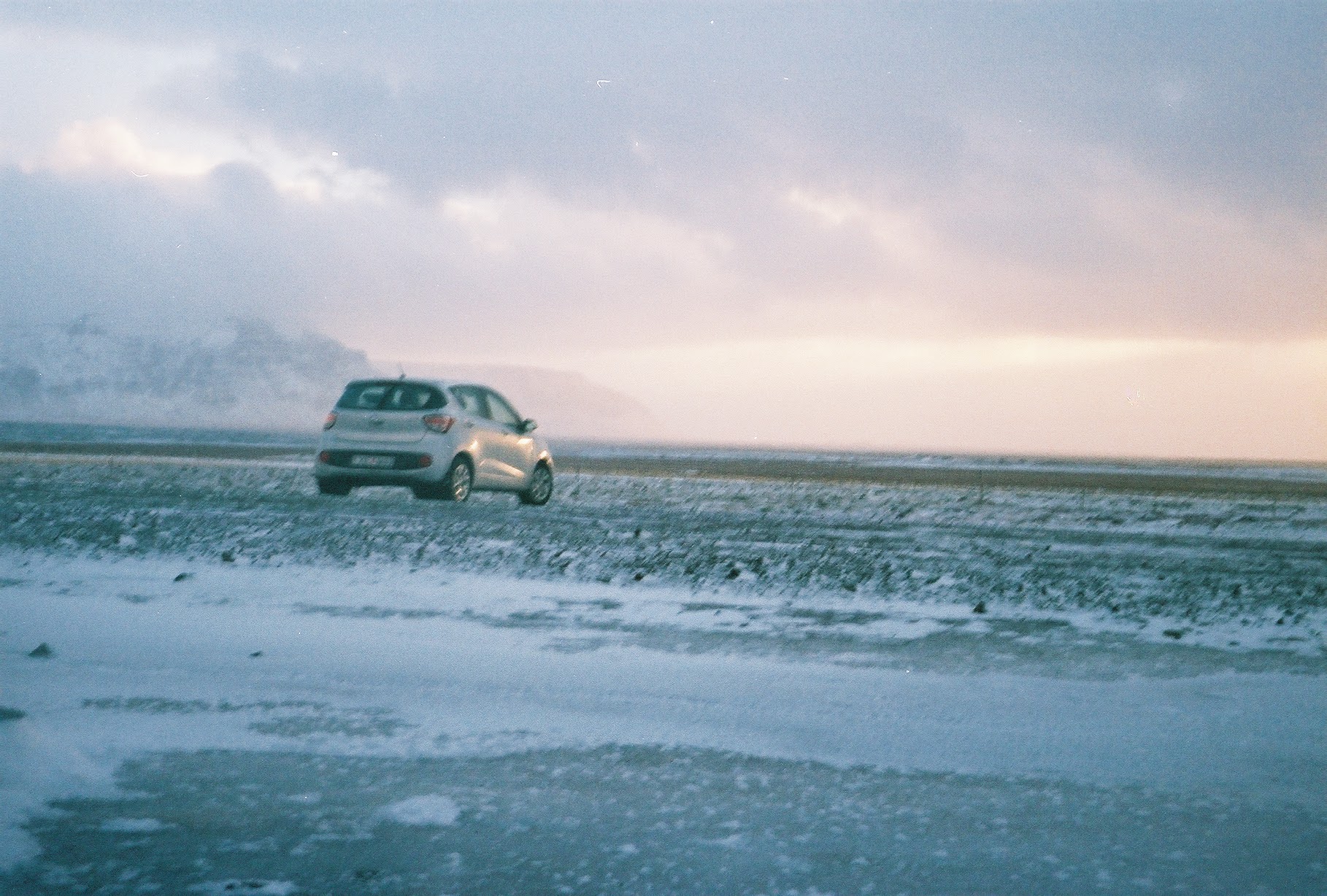
- Getting around. It may sound obvious, but if you book cheap accommodation, it’s often far out of the way of things unless it’s a hostel, so be sure not to get caught out walking for miles or spending money on transport to save on accommodation! Think about transport from airports to accommodation- it can be pricey so it’s good to have a rough idea. It depends hugely on the place as to best modes of transport. Look into car rentals in spread out countries (remember insurance and petrol costs on top of the rental itself!); we’ve rented in Australia and Iceland. Buses can often be a life-saver and a great time to sit back and read in some places. The rail network in Europe is amazing. And walking can be a great way to explore hidden streets and get a feel of where you are!
If we’ve missed anything you might like us to talk about in a different blog, please let us know in the comments.
Speak soon!
 Places We Roam
One thought on “Saving yourself.”