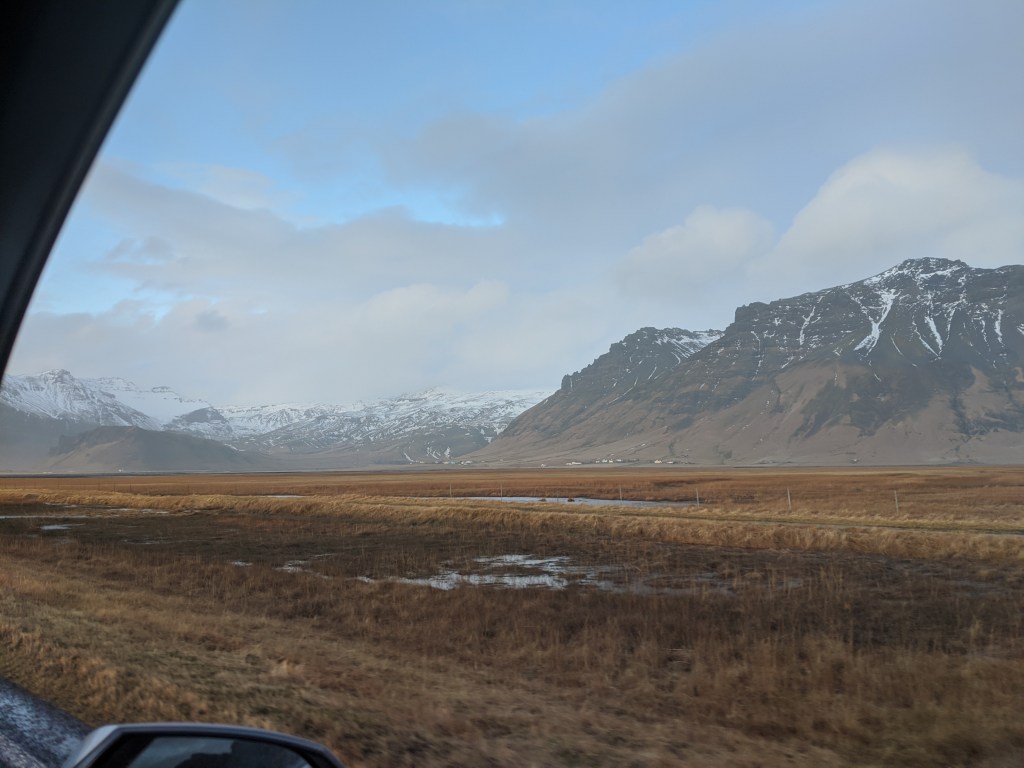
Featured

Saving yourself.

TIPS TO SAVE UP, SAVE ON THE MOVE, AND SAVE THE WORRY.

Where on Earth to begin with this (pardon the pun)… the inconvenient essential- money! There’s so much to talk about with this and so many variables depending on ideals and circumstances that it’s a challenge to generalise. But if you’re budgeting but looking to experience some incredible things, here are our tips for you! Let’s dive right in…
What to consider:

Once you have a vague plan down, the primary element to consider- the essential, is of course, money. It goes without saying that this is based on a huge number of variables, depending on personal circumstances, the job or career you may have, where you want to go, whether you’re willing to work whilst you travel, in what kind of style you want to be and for how long you want to be away. Last-minute deals can occasionally be perfect but to rely on them for bigger plans might end in disappointment.

When considering the money aspect, unless you’re intending to be completely spontaneous or work while you travel, it is beneficial to have a fairly good idea of how far your money might stretch.

KEY THINGS TO THINK ABOUT BEFORE YOU GO:

  • The cost of the country you’re going to (compared to the country you’re from). Basically, how far will your money stretch? £500 might see you through 1 week with a few activities and some decent food in New Zealand whereas £500 might fund you through two cheap months in Thailand.
  • Don’t forget the little things! If you’re planning on staying in hostels, things like laundry can cost about £8 per wash all things included (which is why it can sometimes be a treat and a money-saver to bag an Air BnB with laundry facilities for a couple of nights every now and again). Consider the souvenirs you might want to keep- although if you’re like us you might be a fan of the free stuff like pebbles and pictures.
  • Book a couple of big things you couldn’t miss, in advance. Although you’ve still spent the same amount of money in the end, I can promise you, when you’re stood in the queue for a once in a lifetime activity, knowing you paid months ago, it feels like a big sigh of relief. Still keep most things spontaneous, but lock in what you really need to do or things that would ruin the actual fundamental plan you have if they were fully booked! For example, we booked our Kiwi bus tour a week before, we booked volunteering in India months in advance – also VISAs can be costly, but of course they have to be sorted in advance! We booked all our flights in advance at one time. (Side-note: advance bookings are more essential than ever in Covid times!)
  • How long you intend to be away for. Of course, the longer you intend to be away, the more expensive things will become, no whole day is free! Think about how much, on average, a place to sleep and food will cost- the real essentials – for the approximate length of time you intend to be away for a rough budget. As tempting as it can be, don’t underestimate how much you’ll spend, overestimate – When we planned our big trip, we had a rough idea of what activities sounded appealing on the websites but in actuality, when your new friends are all persuading you to join them on an activity you never thought you’d do, it is pretty hard to refuse when you enter the ‘f-it mindset’ so try to overestimate to avoid nasty surprises or chronic FOMO. And the worst case is you have money left over in the end!
  • What kind of lifestyle you want. We have met people on our adventures who are perfectly happy to chill around from hostel to hostel, walking around town and eating noodles, watching Netflix every other day to save money and that’s totally cool! We have met people wanting to do every activity available and dine out for every meal! There is an in between of course. So consider in advance your own expectations of your quality of living. If you intend to do more activities, treat yourself on the occasion to some local cuisine or maybe a private hostel room instead of a 20 bed sharer every once in a while (such perks can really keep you happy!), you should really take that into consideration when budgeting.
  • Flights. One of the main expenses. Unless you intend to stay in a land-locked area such as Europe or America where you can travel by car, train or bus (when you can- do any of these instead of flying, not only to save money, but to help towards saving the planet!), flights are a huge expense, we’d recommend booking them in advance (youth tickets if applicable!) with a company who can do it all for you, with insurance. Look into routes that look sensible beforehand, but let someone else do the heavy lifting so you don’t end up paying in various currencies on various websites or ending up flying for 24 hours in a tin can or having 48 hour layovers! Find your balance.
  • Spare money- just in case! Not to sound like an over-protective parent, but having a little money set aside just in case of an inevitable disaster, whether that be a missed flight, a change of non-refundable accommodation etc. – you don’t want a nigh on inevitable hiccup to blow your whole trip out the water!
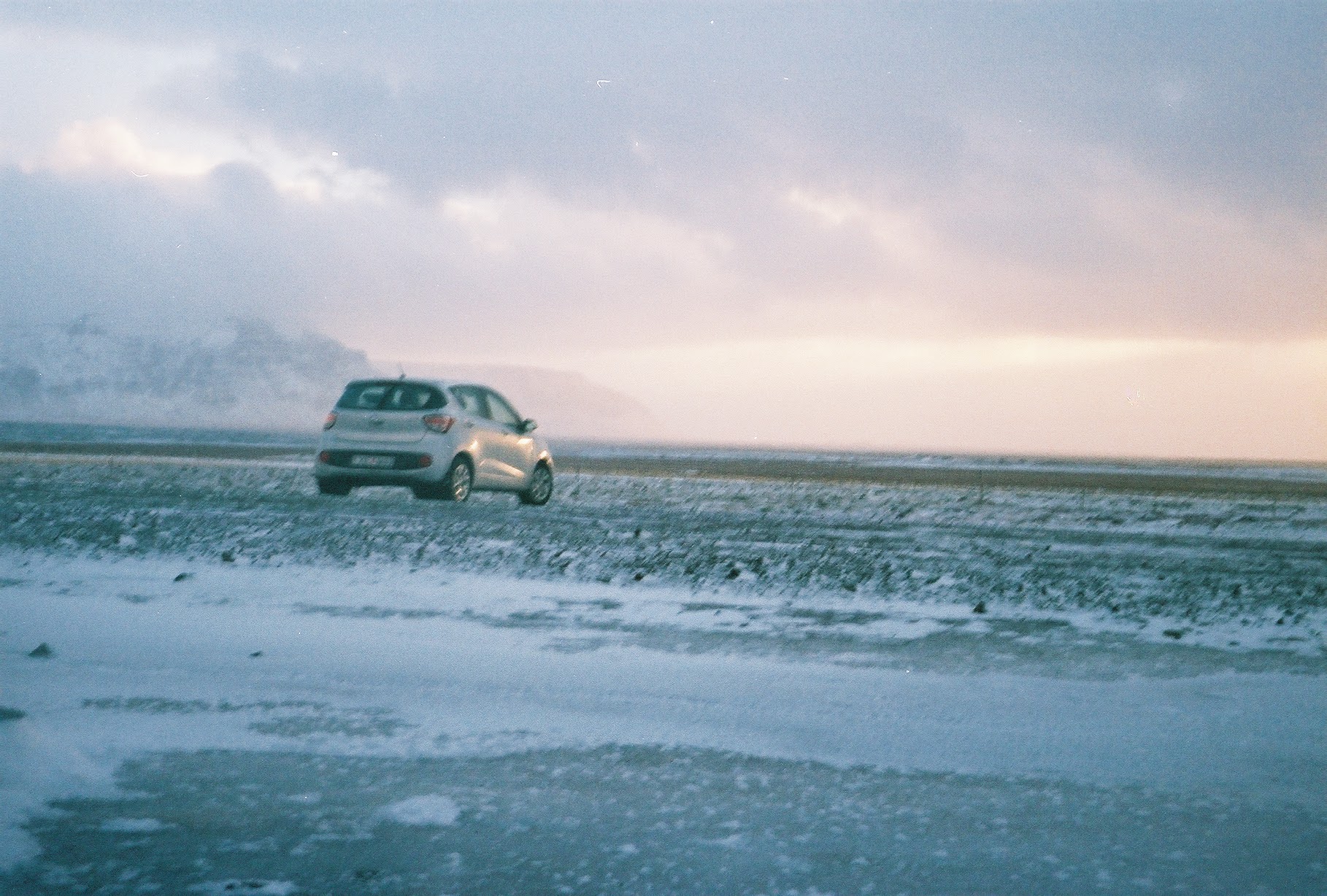
  • Getting around. It may sound obvious, but if you book cheap accommodation, it’s often far out of the way of things unless it’s a hostel, so be sure not to get caught out walking for miles or spending money on transport to save on accommodation! Think about transport from airports to accommodation- it can be pricey so it’s good to have a rough idea. It depends hugely on the place as to best modes of transport. Look into car rentals in spread out countries (remember insurance and petrol costs on top of the rental itself!); we’ve rented in Australia and Iceland. Buses can often be a life-saver and a great time to sit back and read in some places. The rail network in Europe is amazing. And walking can be a great way to explore hidden streets and get a feel of where you are!
If we’ve missed anything you might like us to talk about in a different blog, please let us know in the comments.

Speak soon!
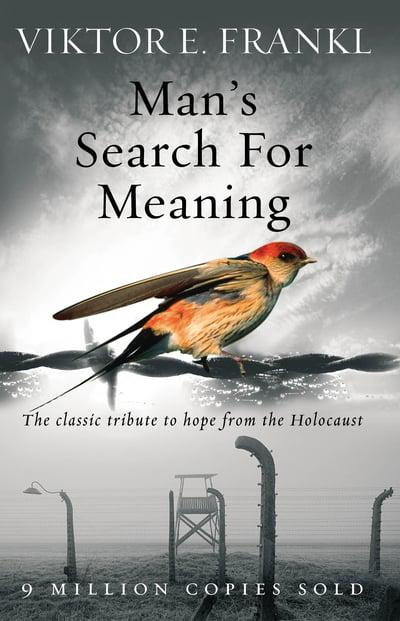
MAN’S SEARCH FOR MEANING: the book recommendations pick n mix.

YOU HAVE SELECTED:

Man’s Search For Meaning by Viktor Frankl (1946)

Rating: 4.5 out of 5.

“It did not matter what we expected from life, rather what life expected of us.”

Man's Search for Meaning

SYNOPSIS: Powerful. One word that encapsulates everything this book is. It is difficult to really simplify and it deserves more than to be simplified. The book is its author. It is Frankl’s personal account of his time as a prisoner of the Nazis; he experienced the atrocities of the Holocaust during WWII, for three years. He was a psychiatrist before this and continued to be, following it; the psychiatric perspective he had during his time as a prisoner is palpable throughout and is what inspired to this succinct guide to survival. From the Holocaust, Frankl found a way to benefit others for generations to come with his attitude and will to survive and improve. This book is the phoenix rising from the ashes of horror. The most extreme case of turning negatives into positives. It is a book that perfectly translates recovery from horrific tragedy into tips for overcoming more relatable, smaller issues. How to explore sorrow, helplessness, depression – feelings that we all experience in various contexts – and the extent to which happiness and meaning can be found in even through most desperate of circumstances. A mindset shift that will leave you wishing only that you’d read it sooner.

THOUGHTS: This book is pure power. It is almost unfathomable that a single human being could even have the ability to create something so full of hope from a circumstance so dire. That in itself is inspiring. Although the book’s setting is of course horrific and the struggles Frankl recounts are harrowing, unbelievable in parts – that makes the overall positivity that emulates from the pages all the more up-lifting. If Frankl can make it through this, I can make it through anything. He simplifies the discovery of the meaning of one’s life into three main points. And they make so much sense. The advice given is unpatronising, unassuming. Once you explore the ideas, you think ‘I can’t believe I’ve never thought of it that way before’.

“Emotion, which is suffering, ceases to be suffering as soon as we have a clear and precise picture of it.”

I read this book at the beginning of our big trip in 2019. I have to say, I’m so glad I read it at the start. Not because I was going through any particular struggle, but simply because it is completely perspective-changing. You turn the last page feeling lucky to be alive, lucky to have the ability to change your perspective to a positive one, lucky to be on a search for a meaning. Wondering if meaning really matters at all. You feel that anything is possible. How you can ever again honestly say you can’t mentally get through something, after reading how Frankl got through what he did, becomes implausible.

The attitude the author has and the advice he shares with his readers: sticks. The dichotomy of the theme of hope and and the theme of despair: sticks. It is factual, it is heavy in places and it is written from a psychiatrist’s point of view, with his own theories being part two of the book. Read it with an open mind, don’t expect it to be pretty and you’ll emerge at the end of it a different kind of person. The only thing I came away from it thinking about was how beautiful and full life is. I go back to it when I need to reconfigure my mindset. I wish everyone would read this book.

“The salvation of man is through love and in love.”

Dealing with stress.

Expecting and accepting that things are going to get intense
and that not being happy every day is a key part of the whole experience.

BAD LUCK:

It’s inevitable. Try to avoid it, but don’t expect that to work. It’s sod’s law.
You’ll lose a bag, a wallet, maybe a passport (although hopefully not), you’ll miss a train, a bus, you’ll miss home, you’ll miss the trip you’re on before it’s even over, you’ll miss people you met and had to leave. You may have trouble communicating. The fact is, it will all be okay and worrying never solved anything. Take the facts as they are no matter what’s happened and do what you can from there, productively – after maybe having a twenty minute rant to someone, because that can just feel pretty good. Ask for advice, ask to borrow a charger, find an Internet cafe, do anything you can do to move forward.

MANAGING THE EVERY DAY:

If you’re travelling alone – please, call home! I know it’s tempting to suffer in silence. You don’t want to admit to your parents that you’re struggling with anything, you don’t want your friends at home to think you haven’t managed to make any new ones you don’t want your other half panicking that you’re lonely. The fact is, travelling isn’t for everyone and the people it is for, it isn’t for every single day. Swallow your pride and call your mum, your sibling, your friends- FaceTime your dog. Just don’t suffer in silence!

If you’re travelling together – try not to take it out on each other. Accept that you cannot and should not do every single activity together. Take walks independently, watch films separately, listen to music separately. Call friends, family, all of the above. Do not assume that just because you’re away you’re going to want to do everything together. You will bicker and argue. Sometimes you’ll be tired, grouchy, grumpy. That’s fine! Try to learn for yourself how you manage these emotions so it doesn’t end up blowing up in the other person’s face and turning into an issue that it needn’t.

Don’t assume your relationship is crumbling if things get a bit tough for a couple of days. The best thing to do is understand the other person. Give them space and comfort when they need it. Communicate. Don’t dwell on the bad stuff, don’t hold grudges – laugh it off and realise the beauty and wonder of everything you’re experiencing together. Being on the road doesn’t instantly mean everything is going to perfect all the time but it certainly helps!

Get involved with people! G Adventure tours and volunteering are a great way to meet others!

Ask people you meet personal questions, ask about people’s homes, their cultures; learn something new from everyone you meet and get their social media info before you depart so you can keep in touch and maybe even meet up again some day. Push yourself to speak to one person you feel a connection with and you’ll find yourself in a group in no time. We’ve made friends for life on our travels, and you will too. The bond you make in the abnormal is lasting and unique.

Don’t be afraid to invite friends and family from home to join you- in our experience many will be crazy enough to join you for a while and it will lift your spirits incredibly. You make memories that last forever whilst getting a taste of familiarity in an alien place. Win, win!

Hope this inspires you to take the plunge despite the negative possibilities! Any questions, please comment. And thanks for reading!

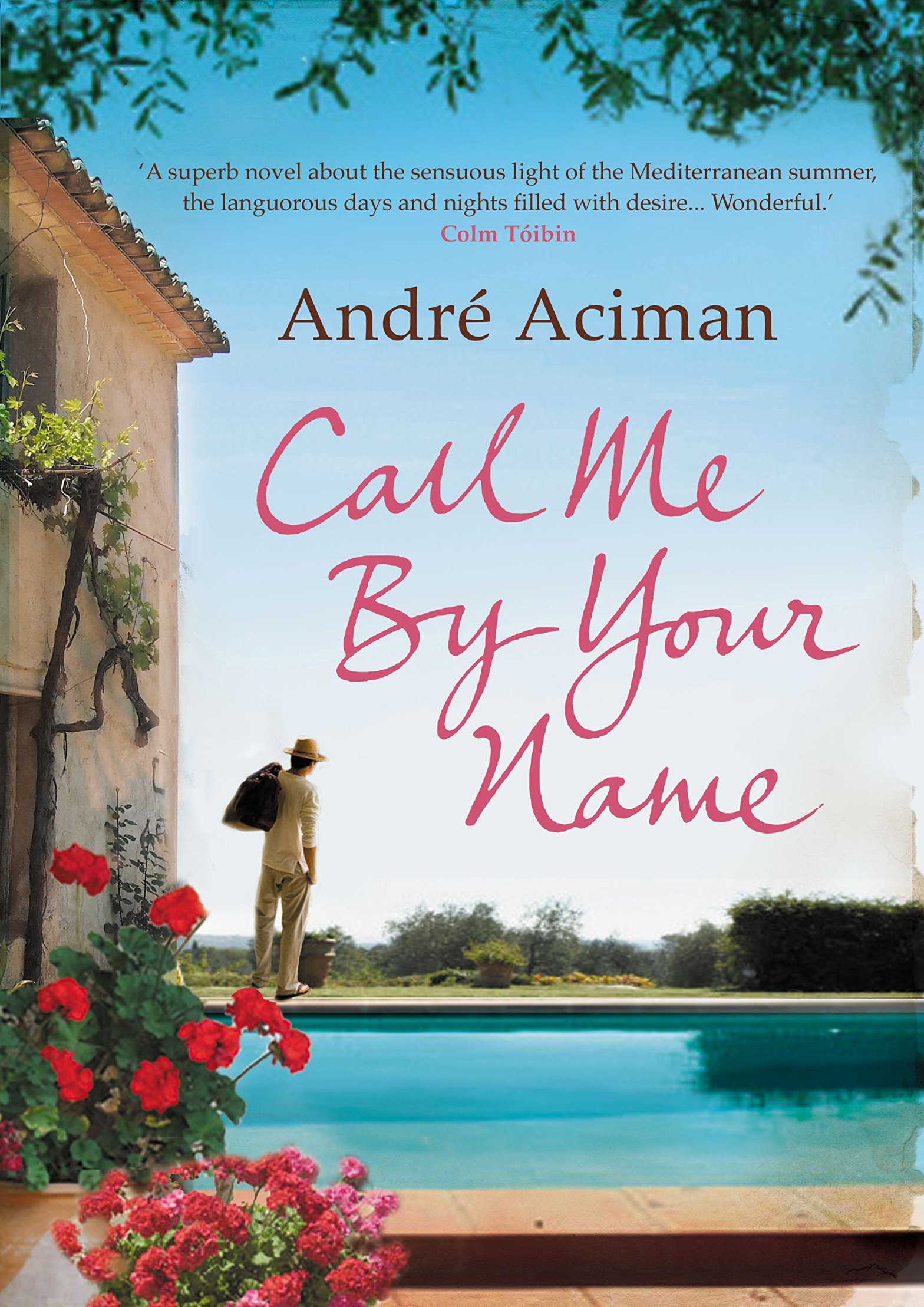
CALL ME BY YOUR NAME: the book recommendations pick n mix.

YOU HAVE SELECTED:

Call Me By Your Name by Andre Aciman (2007)

Rating: 5 out of 5.

“Twenty years was yesterday, and yesterday was just this morning, and this morning seemed like light years away.”

Call Me By Your Name: Amazon.co.uk: Aciman, Andre: 9781843546535: Books

PRELIMINARY SIDE-NOTE: I came across this story first watching the movie. I decided to check it out after watching the 2018 Oscars ceremony online and wondering what all the fuss was about. Wow. This movie genuinely changed my life. I have sat through it with people just to see their reactions, recommended it to anyone I can. It is my favourite to date. The book is in my top 3 favourites. The best way to enjoy this book, even according to its author, is actually to watch the movie first. He says nothing could better portray what he envisaged when he was writing it. This is not supposed to be a film review but I must say: Timothee Chalamet, Armie Hammer, Michael Stuhlbarg, Sufjan Stevens, that setting, that camera filter, that script, the goosebumps. I’m a sucker for Italy, the 80’s and Timothee Chalamet so maybe I’m biased… but in all seriousness, I don’t know if I would love this book as much if I hadn’t seen the movie first. The two portrayals go hand in hand to create the full picture. Watch first. Read second. Watch again.

SYNOPSIS: I don’t really want to spoil anything about the book or the film here. So I will have to remain vague with the following synopsis. The book is set in Northern Italy, nowhere in-particular. Elio, is a seventeen year-old American and the character who’s experiences we, the reader, follow. Elio spends the summers here with his parents every year and he has made friends and found love interests in the town over the years. Each summer his father, an academic, also has a house guest to stay, an archaeology student to do research for 6 weeks with him and Elio is able to befriend these guests each year. The tone at the beginning of the book is that he is now of an age where he’s getting pretty tired of this routine, but this summer things turn out differently. Aciman has said he wrote this when he was young, dreaming he was Elio, and the tone that this is a dream lifts from the pages perfectly.

THOUGHTS: The entire tone of the book is passion, secrecy, shyness, insecurity, naivety and uncertainty in falling in love, in accepting yourself and your life and your choices. It is waiting. It is wondering. It is ripe fruit on summer trees. It is sitting up waiting for someone only to pretend you are asleep when they come home. This book encapsulates the freedom of youth, the freedom of feeling and acting without consequence. It embodies what it means to be human and to feel despair, anguish, longing, thrill, excitement, desire, passion and the effects a short period of time can have on the very fabric of a person’s being and the way this can impact an entire lifetime of thought. All-consuming, ever-lasting, ‘learn to put it to the back of your mind’, feeling. I have never felt a romance novel really portray the genuine emotions involved with falling in love more realistically than this one. It brings about any similar feeling you have felt. It draws you into it. You are there, sympathising with and cheering for Elio.

The acceptance of everything in the book and film is what really stood out to me. There is no drama, there is no crescendo, there is no antagonist who disagrees wholeheartedly with the way someone is acting. There is religion without argument, there is controversy without controversy. The characters allow one another to act and feel and hurt and fear and make the wrong decisions and they all accept that humans simply do this. The way mistakes are accepted as such makes it almost feel peaceful even in moments of strife that the characters face. An idyllic world in which no one is expected to be perfect and no one is punished for being otherwise. There is no fall out. Just a constant falling. The parents in this book are stand-out characters, and portrayed wonderfully in the movie also. You are given the impression that all they want is for Elio to genuinely become who he is, whoever that may be. They can offer guidance where required without interference. The father in particular wills Elio to feel everything he possibly can- he makes a stand-out speech which is transposed directly from the book into the movie script. There is wisdom and consolation passed on without control and more importantly, without judgement.

“When we least expect it, nature has cunning ways of finding our weakest spot”.

There are elements in the book which are not in the movie of greater intimacy, and an entire segment in which the future is shown. The ‘twenty years later’ we don’t get to see in cinemas. I don’t know if I’d rather not have read it, there was something about the melancholic, hanging and uncertain ending of the movie that I deeply enjoyed. We were left longing and wondering and making up our own endings. The book, on the other hand, shows us the ‘what ifs’ in fruition. This revealing segment of the book, I re-read immediately as soon as I’d finished it, just to make sure I had picked up on absolutely everything that ends up happening to the characters I had fallen completely in love with, on a bus somewhere in New Zealand where I had all the time in the world for reading.

I could not recommend this highly enough.

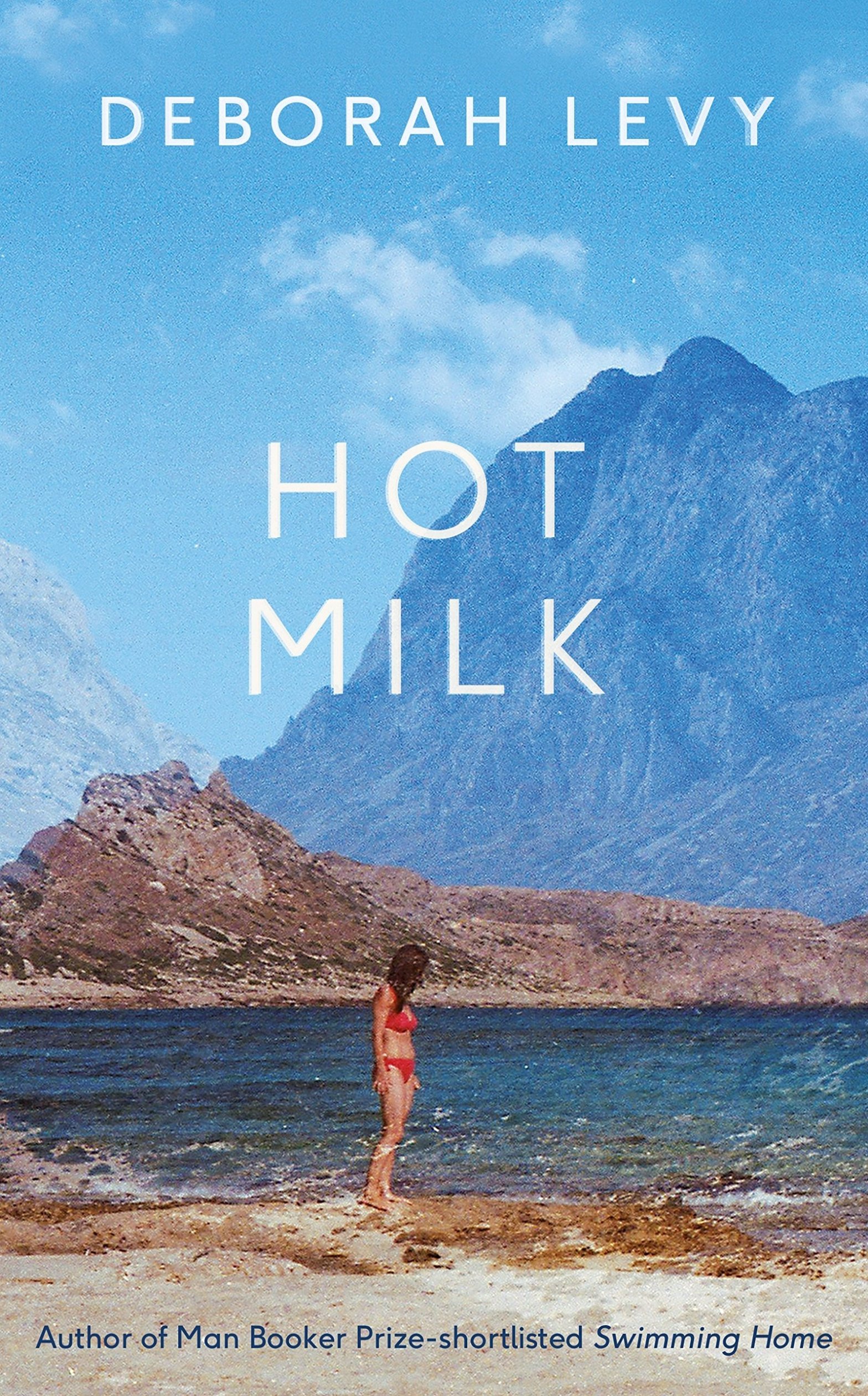
HOT MILK – the book recommendations pick n mix.

You have selected:

Hot Milk by Deborah Levy (2016)

Rating: 3.5 out of 5.

“I wanted my whole life so far to slip away with the rolling waves, to begin a different kind of life. But I didn’t know what that meant or how to get to it.”

Hot Milk: Amazon.co.uk: Levy, Deborah: 9780241146545: Books

SYNOPSIS: This was an interesting one for me. To start with a brief synopsis, the book explores a strained relationship between a mother (Rose) and daughter (Sofia) as they embark on a journey to Spain, which, rather than a getaway, is another step in the seemingly endless search for a cure for Rose’s paralysis. Rose’s illness is more complex than it seems and Rose herself has an unwillingness to let her daughter grow into her own woman, whether through jealously and resentment of Sofia or a fear of loneliness and depression in herself. Sofia grasps at romance, freedom, love, independence; but the overall feeling is that there is a cloud hanging over Sofia, in the form of her mother.

A sense of adventure-turned-desperation to escape – A life with all the responsibilities but none of the independence – An innate desire to care for a mother; a debt owed by every child.

THOUGHTS: To be honest, I am guilty of blatantly disregarding the proverb and judging books by their covers, and at the start of a big trip, I look for a book that looks… well, like a holiday on its cover. The cover of Hot Milk suggests escapism, freedom, a summer for a young girl on the beach. In reality the book is a lot more than that. In fact it’s a book about a young girl’s struggle for all of those things. It explores themes of resentment, loneliness, emotional and psychological abuse, responsibility, disability, expectation and manipulation; juxtaposing the heavenly setting. The book itself almost makes the reader feel quite trapped as we are seeing everything from Sofia’s perspective. The heat of the Spanish sun makes the reader feel clammy and uncomfortable rather than at ease.

The book is beautifully written and complex in its themes given that it’s under 300 pages. I think I only found it a slight slog because of what I was expecting, essentially something lighter and brighter. It gets pretty intense.
Without giving away too much, I found the ending unsatisfying- I didn’t want it to go on, I just wanted some peace of mind for the characters, but there is of course always meaning behind a lack of resolution. I enjoyed the style of writing and the unspoken complexities of parent-child relationships to which anyone can relate in their own way!

Diving into Silfra.

WOULD WE RECOMMEND SNORKELLING BETWEEN THE NORTH AMERICAN AND EURASIAN TECTONIC PLATES?

Let’s cut out the non-existent cliff-hanger here and say the answer is, of course, yes! We’ll tell you the pros and cons of our experience on this incredible excursion so you can weigh up how you feel about it for yourself.

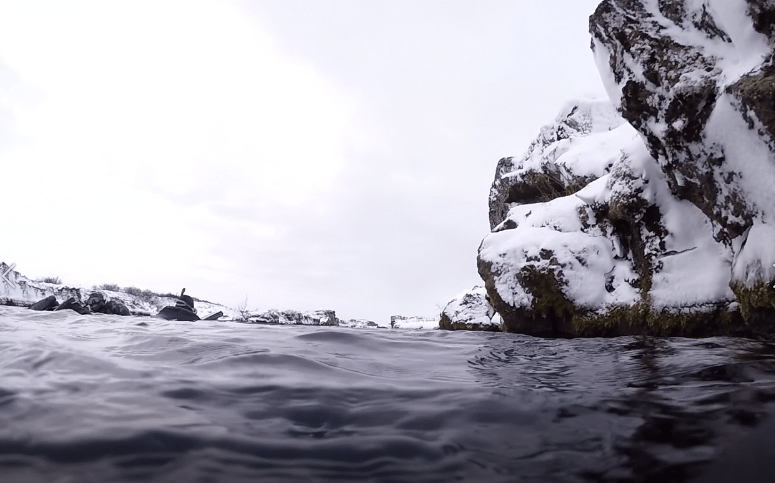
The view above.

We didn’t even realise this was a thing until coming across an ad for it when perusing things to do in Iceland on a quiet day at the office. It’s hard to wrap your head around at first- you’re swimming in glacial waters between two tectonic plates? Sold.

COST:

SNORKELLING: Approx. £70.00 per person for a 40 minute explore of the glacial spring, with everything you possibly need and complimentary refreshments included.

DIVING: Approx £155.00 per person. Only available with a PADI certification and proof you’ve dived in a dry suit within the previous two years, which is where we fell short. You do get the opportunity deep down to touch both plates at once!

DRY SUIT CERTIFICATION 2 DAY COURSE: Approx £450.00 per person. Could be worth it if you can afford it!

TRAVEL TO SILFRA (OPTIONAL): Approx. £35.00 per person with pick up. Although this is not cheap, for us it was worth it after a lot of treacherous roads we were thrilled for someone else to be behind the wheel! This experience involves travelling to Thingvallavatn, Iceland’s largest lake in Thingvellir National Park. This journey takes around an hour from Reykjavik. In the National Park, the roads are not cleared as promptly as the main roads are, it’s dark when you’ll be travelling to the activity and the weather is… changeable to say the least! Would be a different matter in summer!

Check out the website here for special offers, more packages and info on how the team are keeping Covid safe.

SNORKELLING EXPERIENCE
POSITIVES:

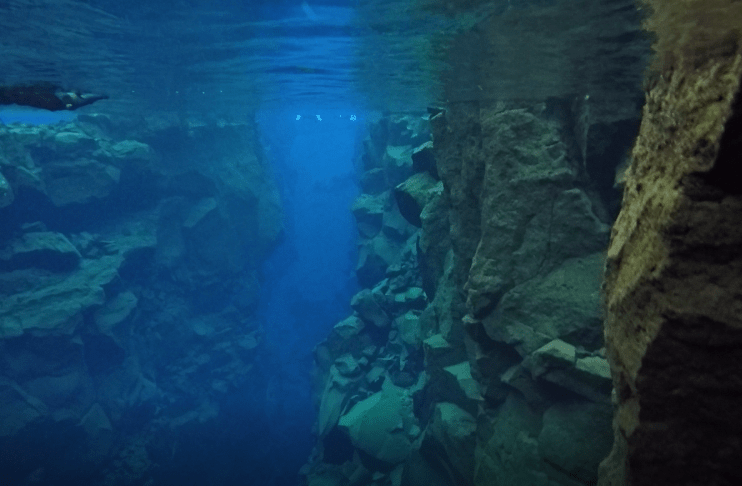
  • The views below: the glacial water is as beautifully clear as it is refreshingly cold. The clarity and distance you can see below you can make you feel as though you’re flying over mountains rather than swimming. There is no life in the water other than those on the tours.
  • The views above: the surrounding scenery is stunning. When we were there it was snow covered. You could see the tectonic plate divide on land as well as under the water and on the walk to the spring, you got to take it all in.
  • Try a sip: The water you swim in is fit for drinking and has been filtered through volcanic rock for fifty years before reaching the spring, so you can take a sip.
  • The gear: We had never worn dry suits before and we were concerned they would keep us neither warm nor dry but we were wrong on both counts. The diving site itself has heated changing facilities, but generally wear what will be under your dry suit because it’s not totally private.
    The dry suit basically keeps any water off your body, so when you take it off, the clothes you wear underneath remain completely dry (so do NOT pee in it!). They recommend thermals underneath but we did just fine in joggers and a t-shirt so don’t splash out unnecessarily!
    Our hands had wetsuit gloves on and our faces were uncovered for obvious reasons, so they went a little numb but it was by no means unbearable and honestly we were distracted by the views rather than worrying about our temperature!
  • The staff: kind, informative and enthusiastic! Pick up service was prompt. The staff all clearly love what they do and have some really interesting stories about diving all over the world, they are very informative about Silfra itself and show you the route you’ll be taking before you jump in. When fitting and putting on the equipment, the staff were super chilled and friendly, cracking jokes and helping you out with getting it all on correctly which made the whole experience comical and comfortable where it could have been tedious and tricky.
The view below.

SNORKELLING EXPERIENCE
(POTENTIAL) NEGATIVES:

  • Cancellations: a very real possibility. Do be prepared that the weather can lead to cancellations or rearranging the excursions, because in the remote area of this National Park, the weather can be unpredictable and unsuitable for travel. We rearranged our own time slot because we changed our travel plans and the company was super easy to contact and very willing to make the changes for us as they must be used to doing so- but plan the excursion early on in your trip so that if rearrangements need to happen you have a few days to play around with and don’t end up having to cancel completely!
  • Waiting around: at the end of our snorkelling session, we did have to wait around a little for the divers to finish and get out of their gear etc. This was no issue as we were able to chat with new friends and eventually pass out asleep from exhaustion- just make sure you don’t make any inflexible plans straight after your trip.
  • Camera footage: you are permitted to take cameras down with you but be prepared that in the thick wetsuit gloves, it can be pretty tricky to press any buttons accurately on the camera you have. It’s best seen with the naked eye anyway or just recording the whole thing on a mount and editing later. We just recorded the lot and edited later, but it’s something to be aware of! Photographs can also be added on to the package deal if you prefer.
  • Frozen beards: our guides admitted that in the depths of winter, the temperature can get pretty uncomfortable, icicles growing on the beard uncomfortable. We’d think that was insanely cool, but if you’re not up for that, just be aware that it’s a possibility at certain times of the year.

Rating: 4.5 out of 5.

We would highly recommend this; it’s once in a lifetime – seeing the planet from a perspective you never have – and it’s clear why it was rated the 4th best excursion in the world on TripAdvisor in 2019.
This review gives you a few pointers to be aware of but you should check it out if it sounds like something you’d enjoy: https://www.dive.is/.

Thanks for reading. Any questions, please comment!

Hostels and restaurants of West Iceland (on a budget).

THE RUNDOWN OF A 7 DAY ROAD TRIP OF SOUTH-WEST ICELAND,
ON A BUDGET:

We aren’t experts and everyone has different tastes but read on if you could use a bit of guidance and a cost estimate (they can be useful!). On a global comparison scale, hostels in Iceland were fairly pricey but some of the nicest quality hostels we’ve stayed in!

  • REYKJAVIK

BUS HOSTEL: £26 for a single bed in a 20-bed sharer room (unisex).

Pros: free car park; free WIFI; super clean; nice staff; 24 hr check in (they were chill when we were early!); kitchen facilities; buses from the car park on various excursions; Reykjavik is a lovely city to be close to; with lots to do!

Cons: small kitchen; a bit of a walk from the city centre (but there’s lots of parking in the centre too so you can drive in!); arguably a little pricey for such a busy room.

*101 Street Food (£): a wonderful little fast food Cafe type place in the city centre; on our visit the staff went above and beyond giving everyone in the place a free dessert; the food was delicious, prepared quickly and great value for money! Not many veggie options.

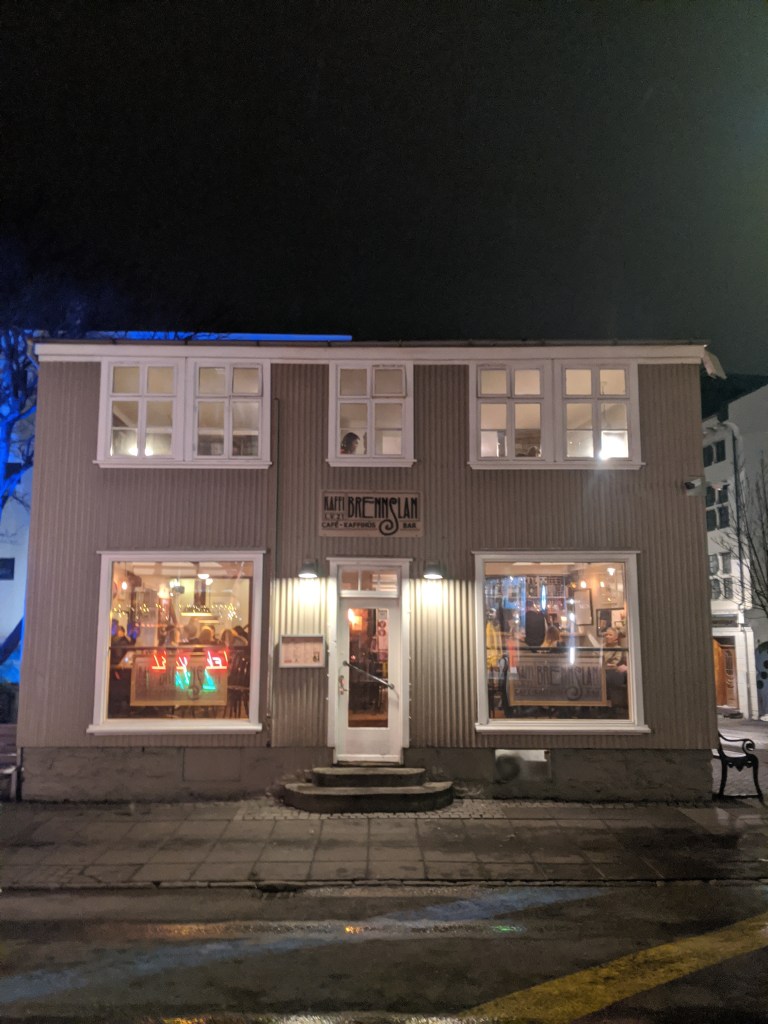
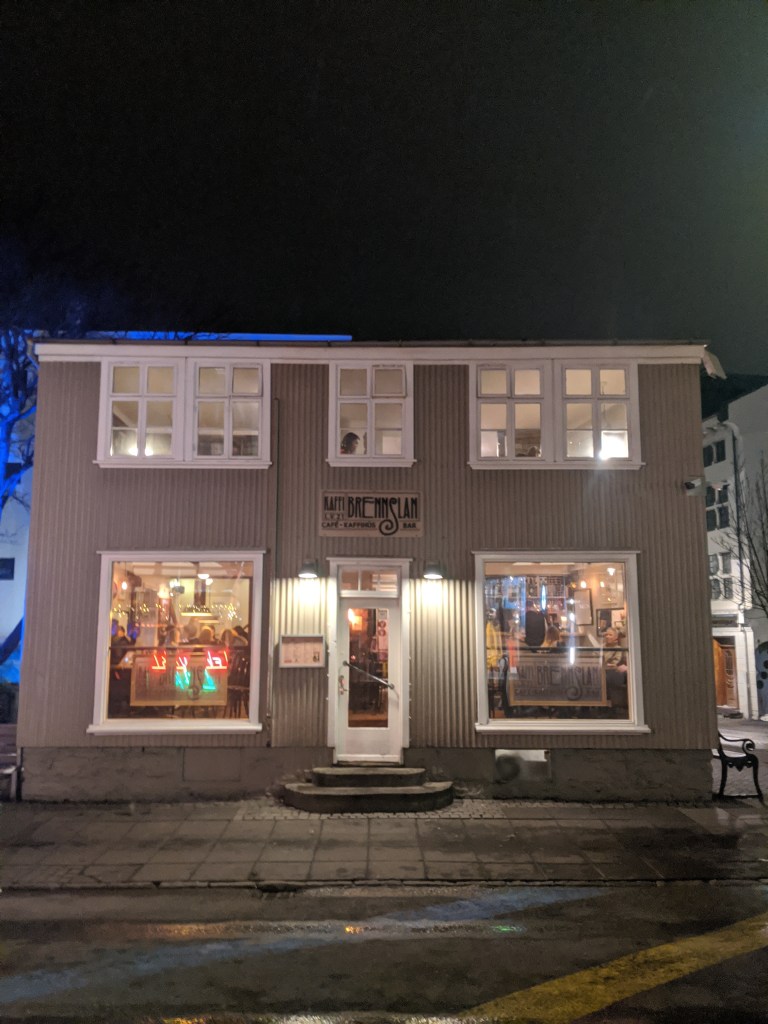
*Kaffi Brennslan (££): this quaint detached cafe was great for anything from a vegan hot chocolate with oat milk cream to a Viking beer. It had a lovely cosy atmosphere whilst being clean, modern and full of life. There were games to play and books to read upstairs too!

  • OLAFSVIK

BIKER’S PARADISE: £36 for a private double room, shared bathroom.

Pros: incredible view from the hillside cottage; free parking facilities; self check-in; free WIFI; kitchen facilities; lovely rooms; in the heart of Snaefelsnes peninsula.

Cons: our double room was fairly small; the communal spaces were quite small and the atmosphere was calm and quiet so if you’re wanting to cook your own meals/watch TV etc. you might not have complete freedom to do so (but honestly it would be more fun looking out of the window!); there is not ample to do in Olafsvik itself but it’s a great pit-stop.

*Sker Restaurant (££): this restaurant was super quiet when we were there but had a great view of the harbour and a good menu to choose from. Great fresh fish dishes, free parking!

  • THINGVELLIR NATIONAL PARK

HERADSSKOLINN HISTORIC GUESTHOUSE: £61 for a private double room, shared bathroom.

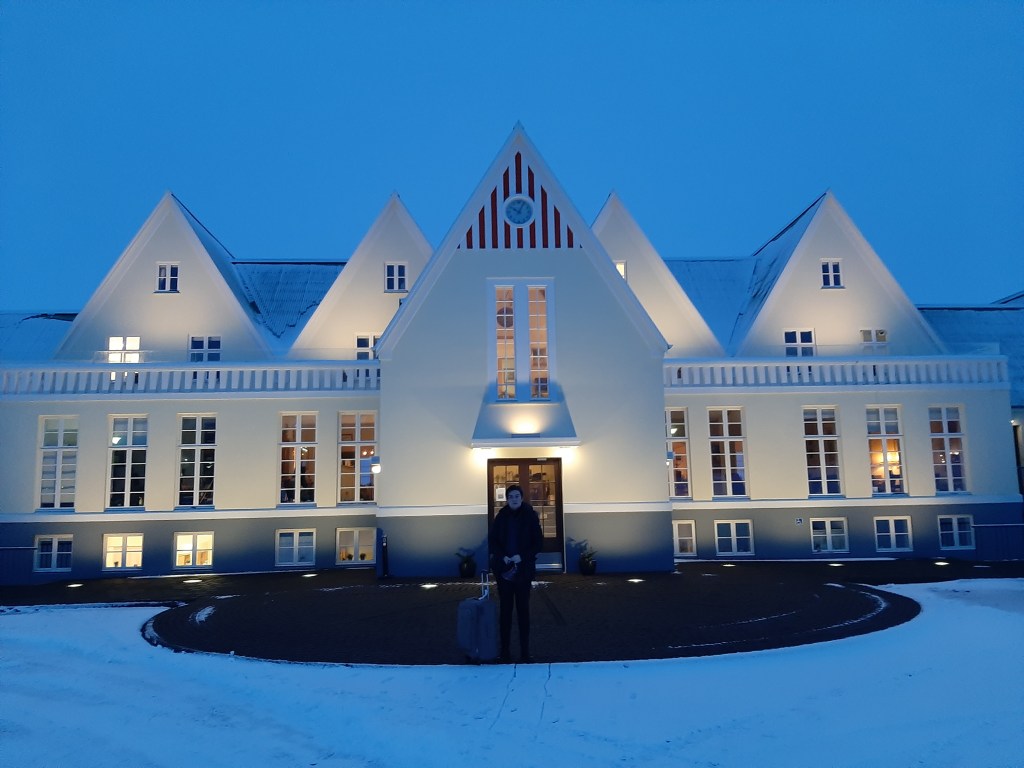
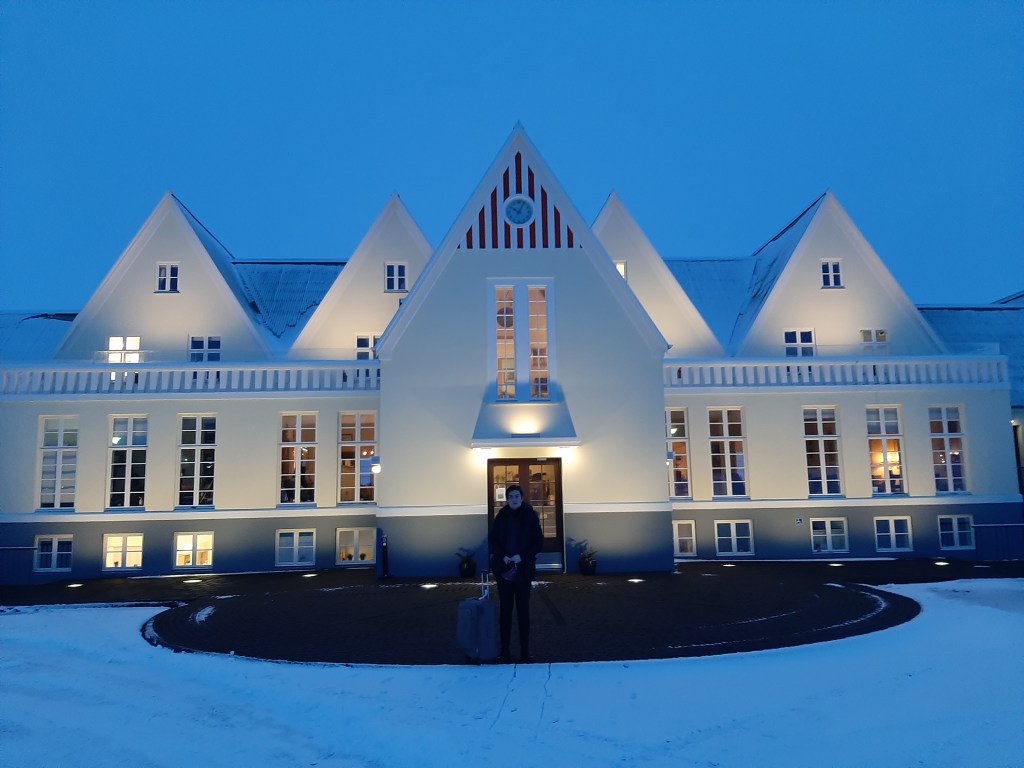
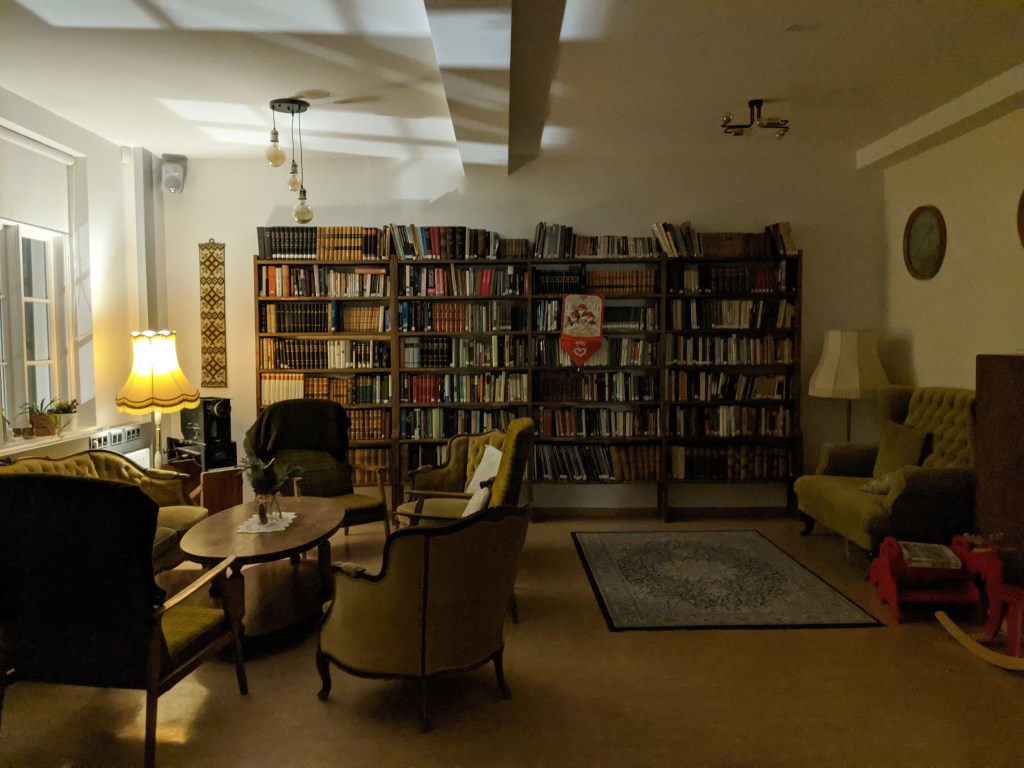
Pros: the history! Honestly, this place is full of character and the staff are super friendly; it has a free car park and is close to a petrol station; the place is grand and explains its history clearly that it used to be a school and Nobel Prize winner, Laxness used to work there; there is a restaurant on site; free WIFI; good bathroom facilities; nice rooms with big windows for Northern Light spotting; low light pollution; eccentric- think The Shining cross with The Grand Budapest Hotel (see below); stunning views; lake side; close to the Golden Circle and Silfra.

Cons: no kitchen facilities and limited restaurant choice but for that in the accommodation; if you’re easily spooked, there is something a little eerie about staying in an ex-boarding school, particularly when it’s quiet season (but honestly it adds to the experience); may be difficult to get to!

  • VIK

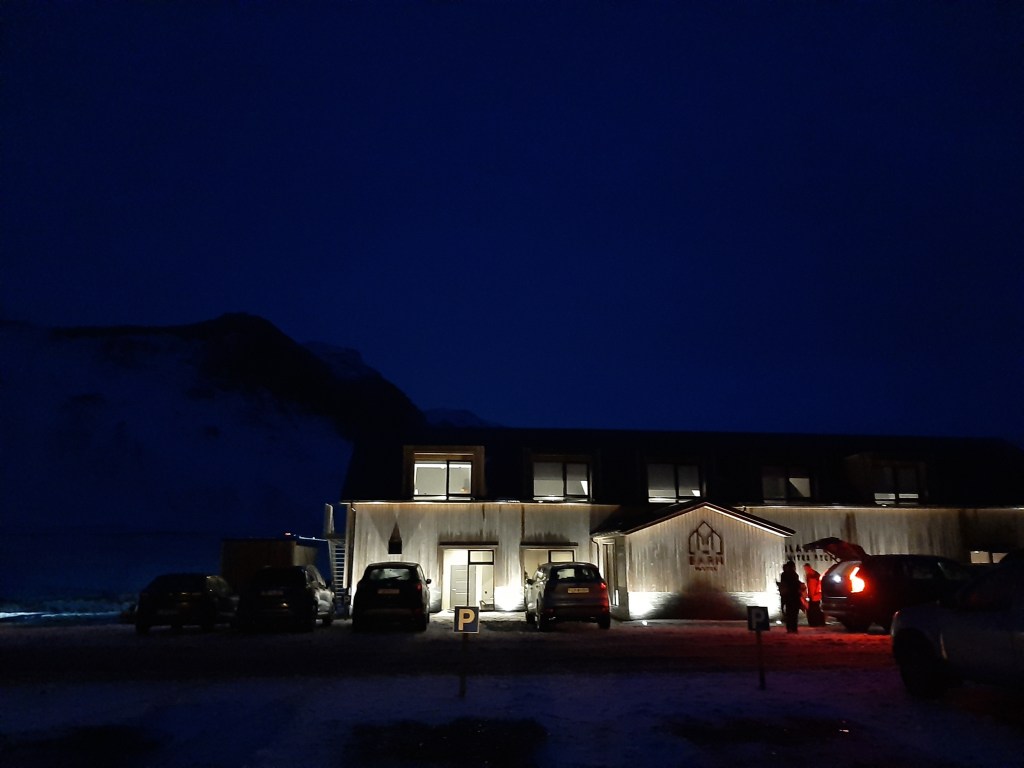
The Barn Hostel: £52 for a 10 bed sharer double room, shared bathroom.

Pros: wonderful staff; free WIFI; 24 hr check-in; amazing kitchen facilities with lots of extras such as a communal coffee-machine; free parking; double beds(!); communal games to play; cosy, modern feel; bar on site; nice bathrooms; great value for money; close to Vik and Reynisdrangar Cliffs.

Cons: not really in Vik; would be essentially impossible to get to without a car; few shops super nearby.

  • HOF

Fosshotel Glacier Lagoon: £101 for a private double room.

We never got the chance to stay here because of a change of plans- a bit too far East in some bad weather for our little car, but it looks like an amazing and remote location from which to see the Northern Lights!

  • SELFOSS

Selfoss HI Hostel: £42 for a private double room, shared bathroom, shared hot-tub!

Pros: great value for money; allowed us to change the night of our booking at no added expense; extensive kitchen facilities; close to a shop; close to other small towns; hot tub; friendly staff; free WIFI; free parking (limited in busier periods); Selfoss is quite a busy town; close to the supermarket.

Cons: shared bathroom; dated furnishings.

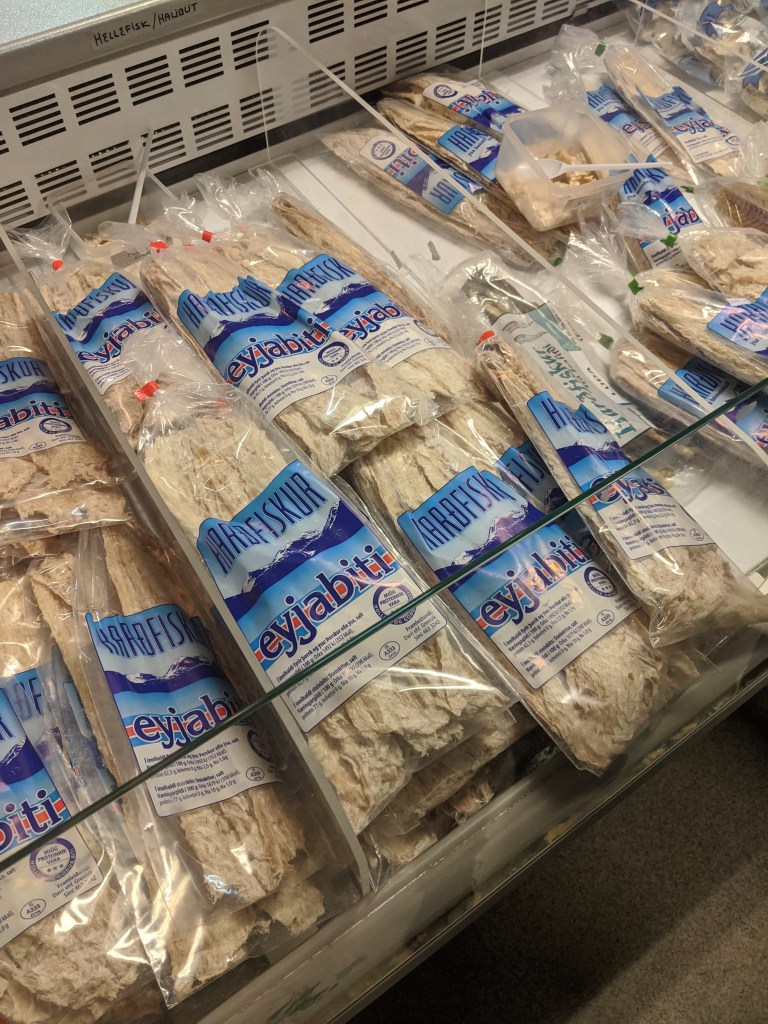
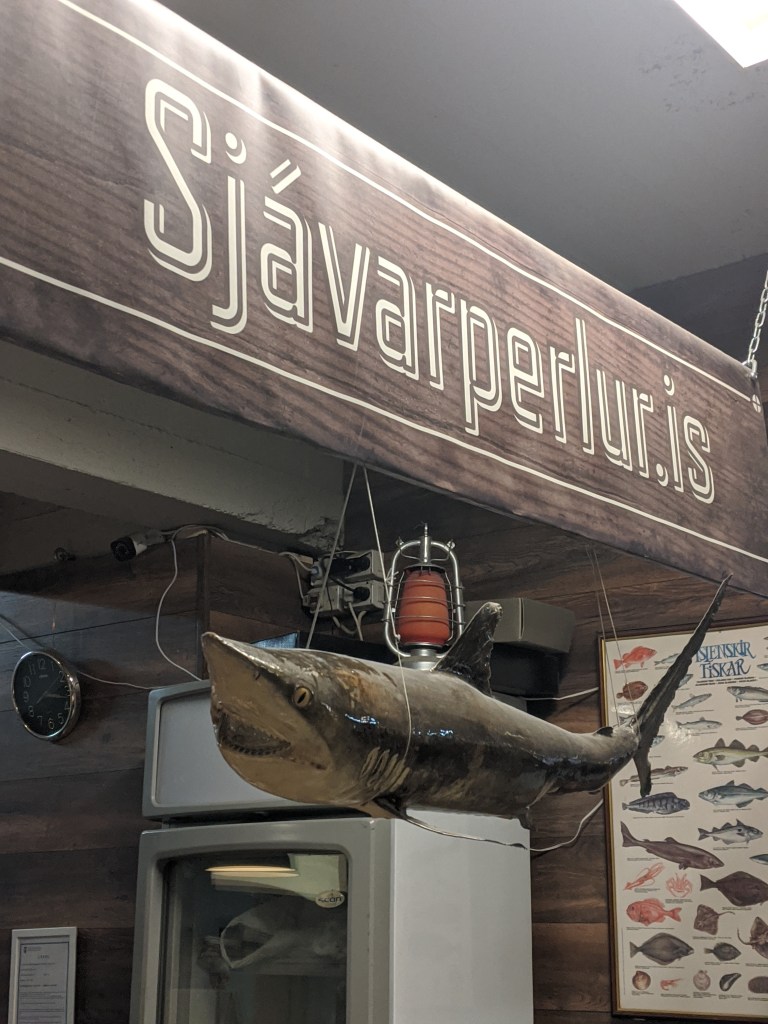
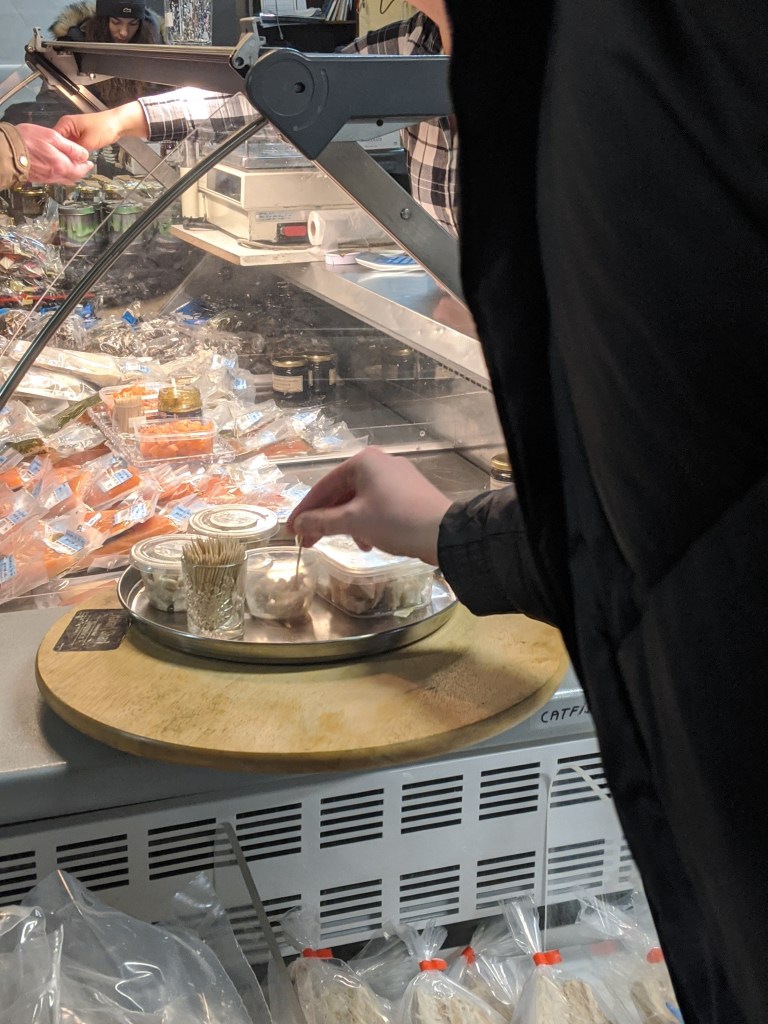
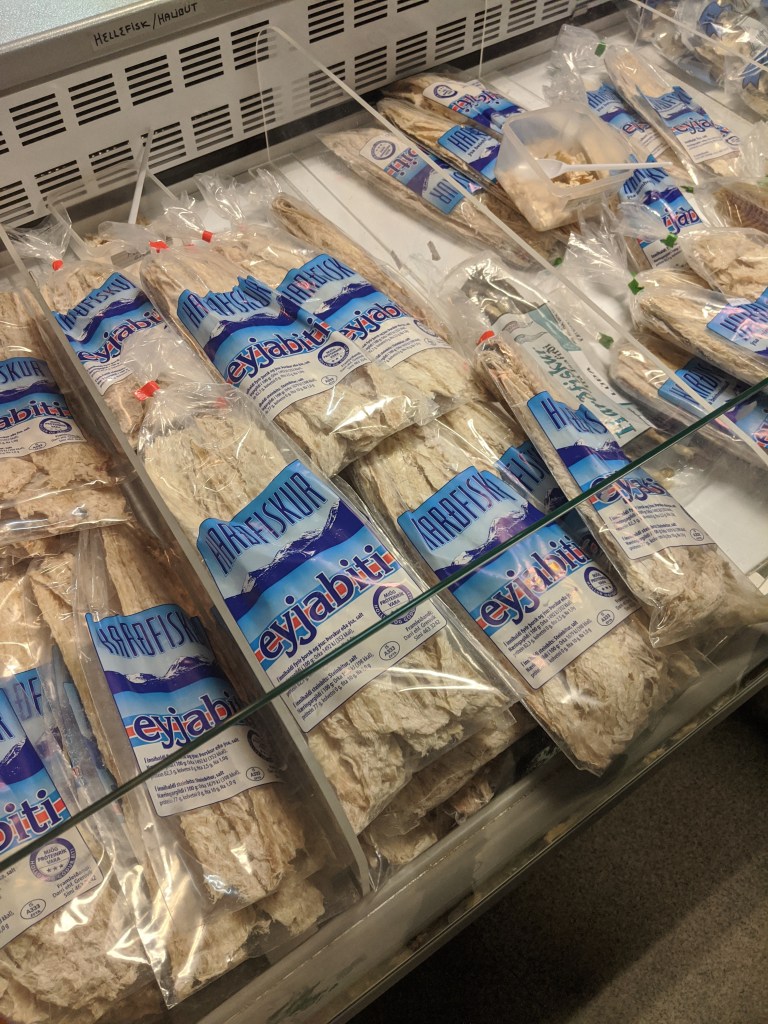
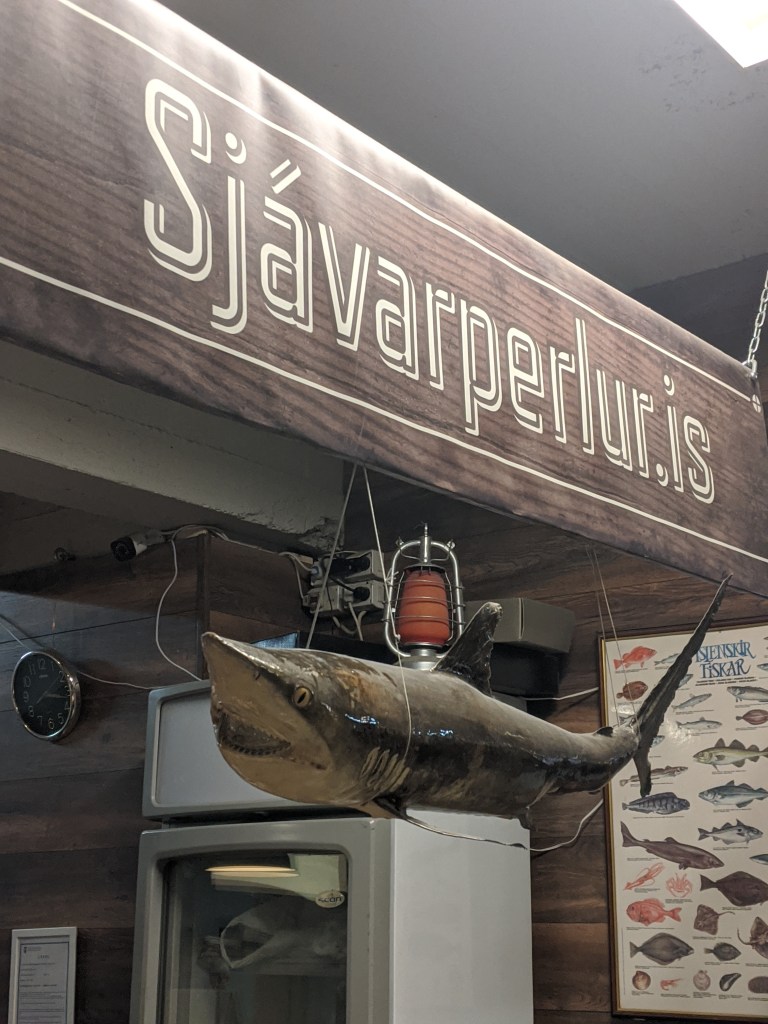
It’s clear from this list that we weren’t dining out much by anyone’s standards, so Bonus Supermarkets were our best port of call for budget food! Iceland has so much to offer, particularly in the bigger towns so venture further afield than we managed if you can and please leave comments with your recommendations for the next time we visit! Go to the market in Reykjavik on a Saturday to try fermented shark (though we wouldn’t recommend you try much!)

SIDE-NOTES:

Obviously, we stayed at these locations in winter so experiences may differ based on season, perhaps prices will too. But we’d recommend all of the above without a doubt!

The best websites to check on are: HostelWorld, Air BnB and booking.com and if you have flexibility and a limited amount of time, leave booking late in quiet seasons, or look for those with free cancellation in case of bad weather.

Learning to travel together or alone.

TRAVELLING TOGETHER OR TRAVELLING ALONE?

Both come with their fair amount of upsides and downsides. Below are some tips to help you navigate the positives and negatives, which may help you decide which sounds more appealing to you: exploring with others or going away as a lone ranger.

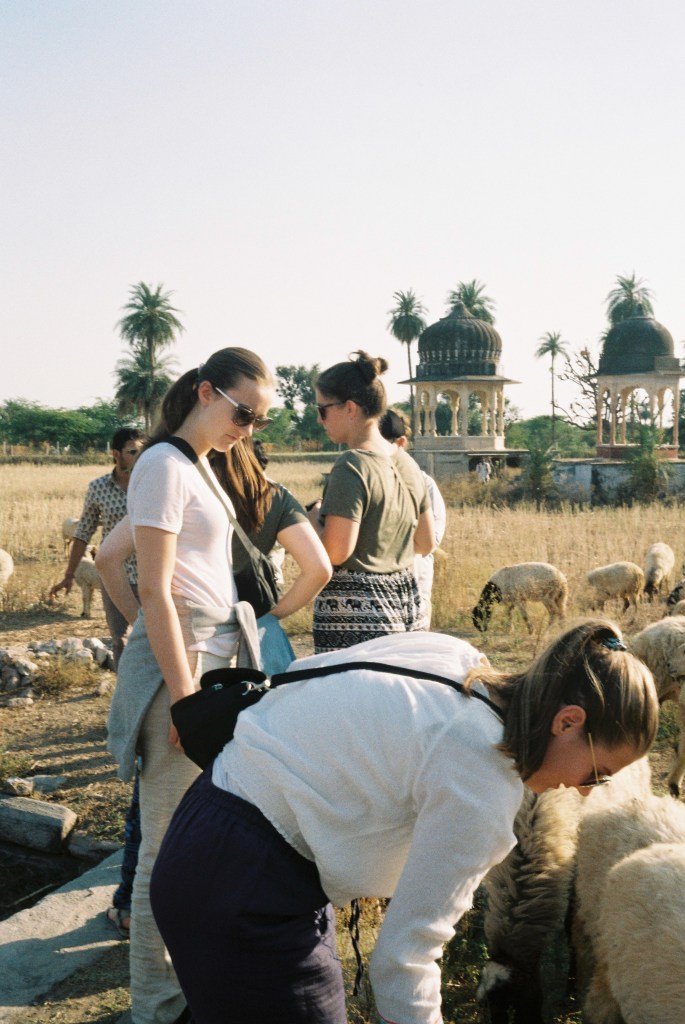
Tordi Sagar, India.

Travelling with your significant other:
considerations.

QUESTION ONE: is it for you?

It’s not going to be the same for all couples, but we would always rather travel together because travelling makes our relationship what it is, and is probably our main common interest in life, luckily!

It’s incredible to have someone to share everything you do with, the ups and downs; having someone who will understand if you’re having a bad day for a personal reason or maybe even for no reason. It’s the perfect way to make memories and grow together.

But it’s intense! It’s a lot of time and a lot of stress sometimes so it’s good to know before setting out on a big expedition together, to try smaller trips to see how you fair when you’re under pressure together. Plus, it’s important to make sure you both like similar activities so one of you doesn’t end up wanting to do nothing the other person is interested in!

If you’re on the same page when you set off, things can’t really go wrong between the two of you if you’re open minded, understanding and up for anything! Of course arguments will happen, but don’t hold grudges and think how lucky you are to be where you are in that moment.

Not being equipped to travel together at a young age isn’t necessarily a negative, it gives you time to develop yourself as an individual or go on trips with your mates!

QUESTION TWO: is this a couples break?

You should talk before booking anything, about what you want to get out of a big trip. For us, new friends was a huge part of it and turned out to be one of the most important! If it’s the same for you: bear in mind… one of the biggest hurdles of travelling as a couple are people’s assumptions that you don’t want to be ‘intruded on’- friends have admitted to us that they had concerns in this regard before getting to know us, which they quickly realised were unfounded when they did! If you’re away to meet others, as a couple, keep the PDA, in-jokes and alienation to a minimum in group settings. Take opportunities together and separately to bond with new people – do some activities separately, sit at other ends of the dinner table every now and then! Let people know you are individuals and not just away for a couples break. There’s no need to be joined at the hip and doing different things and getting closer to different people gives you something to share with one another at the end of the day sometimes! So mix it up!

It’s also best to realise before you go, staying in 20 bed sharing rooms and doing everything with other people isn’t going to be the height of romance, but there’s plenty of time for all that when you get a house together in twenty years or whatever.

If you are wanting to remain quite introverted as a couple, that’s completely understandable and don’t feel bad for doing so! It’s still nice to chat with people so as not to make them uncomfortable as many people may be travelling alone and looking for new friends themselves. The things you book such as private rooms can offer you a more couples holiday vibe so consider that! It might just be more expensive than a sharer room!

People may think you’re away for a couples break, and some couples really are and keep themselves to themselves! If that’s not what you’re up for though, and you’re interested in making new friends together, keep the PDA to a minimum and don’t alienate anyone!

QUESTION THREE: can anyone join you?

We have the most amazing friends that joined us on our trip and they really broke up the intensity of our time together. Our friends from home joining really made the whole thing what it was because we were able to make memories to last forever.

Couples and groups of established friends can be intimidating! Don’t treat others like outsiders.

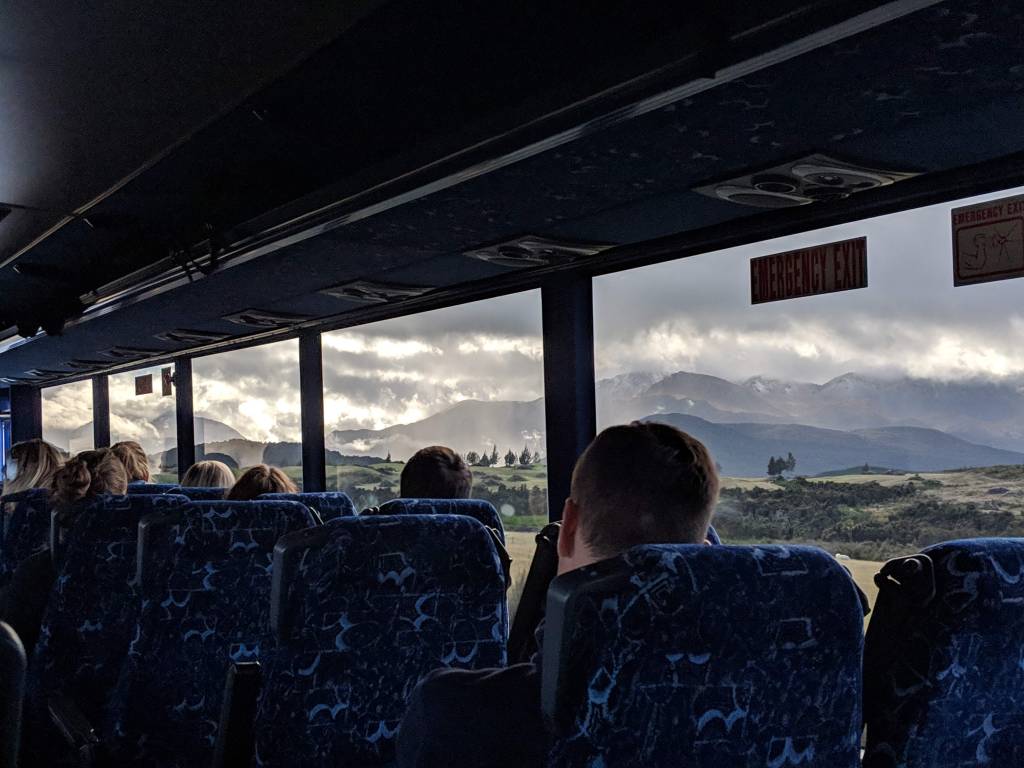
The Kiwi Bus, New Zealand.

Travelling with Friends:
CONSIDERATIONS.

QUESTION ONE: do you know your friends?

Whether in a group or with one other, it’s important to consider how well you know your friend(s) and what they are in this for, compared to what you are in it for. As with couples considerations, you should really just make sure that you’re on the same page. Your friend may want someone to sit with on a long flight, then say see you later at the arrival gate, other friends might want to stick to you like glue! Just find out before you go so you aren’t unpleasantly surprised.

Couples argue and it isn’t the end of the world because it’s probably happened before but this may not be the case with friends. Make a deal before you set off to be in open communication with one another, if something they are doing or have done has really wound you up, don’t let the anger build just let them know, they will likely be more than happy to listen. And if your friend is off for a couple of days, offer them space. If you argue, don’t hold grudges. Not every day will you like each other 100%, as with couples, but take each day as a fresh start and look at the bigger picture!

QUESTION TWO: trust.

Make sure you’re with people you can trust and that you’re trustworthy yourself. Travelling can be genuinely dangerous amongst all the positives, so don’t end up in a situation where you’ve had a drink too many and decided you have to abandon a friend in the club because you’ve met some new people, for example. You need to put the person you’re with above anything else and vice versa, to ensure you don’t end up in a sticky situation. Make sure you always have your phones on you and keep in touch if you are separated unexpectedly!

You should also be in open communication about money and budget to make sure you’re on the same page although it may be an awkward topic for friends.

QUESTION THREE: are we intimidating?

As is the case with couples, any pre-established pair or group can be intimidating to newbies so make sure you go out of your way not to alienate others or make them feel unwelcome, if you have gone away with the intention of meeting new people!

NOTE: If you’re with people you’ve known for a long time, don’t hold each other back. That will only lead to resentment and you’ll only regret what you didn’t try.

TRAVELLING ALONE:
CONSIDERATIONS.

This isn’t something we can speak about from personal experience but we’ve met a lot of people who have been travelling alone and have picked a few tips up!

QUESTION ONE: do you have a plan?

The great thing is, you don’t really need one! As long as you know you have the essentials, you can do whatever you want because you have total freedom and everything you do, you do because you want to! That’s the beauty of this method. You grow so much as a person from the independence of it all too!

QUESTION TWO: will you feel unsafe?

It is important to think about countries where you are less likely to feel safe being alone, and in those countries maybe book a few things in advance, make sure you have spare money and make sure someone at home knows where you are. Keep in touch with people as much as you can, to give them and yourself peace of mind. That’s not to say you should be scared to do anything, but you will always be grateful you avoided a situation that could end up making you uncomfortable or a situation that is genuinely dangerous. An example, we got into an argument with a taxi driver we didn’t believe was charging us fairly and he got quite aggressive. Just make sure you stay in safe situations!

QUESTION THREE: are you shy?

I am! And I think that’s wonderful in so many ways, but if you have anxiety you can end up not speaking to people and going to bed wishing you had. It’s complex and different for each individual of course. But basically, if you’re shy on your own but wanting to put yourself out there, start with baby steps. Get yourself booked into group tours, group activities, meet someone and ask where they’re going- they might be going your way or doing something you’re doing too. People are the best bit, in our eyes, and you shouldn’t let being shy get in the way of your experience at all. Maybe talk to one nice person, they may introduce you to another and so on. You may never end up addressing the group at large with a tale, but you may make friends for life! Take time alone reading or listening to music when you feel like you need it too, 24/7 interaction with new people can be exhausting!

And if people are rude or dismissive, it’s their loss. Don’t let yourself be intimidated by people who weren’t worth your time in the first place.

IMPORTANT ADVICE FOR EVERYONE: KEEP IN TOUCH WITH THOSE YOU MEET!

An example of how things can work out:
we ended up meeting up with people we had met in India and New Zealand when we got to Sydney, Australia because because we all happened to be going there at the same time! Through social media we arranged a meet up! Our friends from home had also joined us in Australia so we had a huge reunion/introduction and even ended up skydiving with some of them further up the coast of Australia at Byron Bay!

We have also met up with people we met away, even after getting back to England. The bonds you make with people you haven’t known for long because you do crazy things together, are really incredible!

We hope you found this useful!

Please let us know if you have anything to add in the comments!

Chasing the Northern Lights.

THE THRILL OF THE CHASE:
A GUIDE TO CHASING THE NORTHERN LIGHTS ON A BUDGET
.

GENERAL ADVICE:

TIP ONE: expect nothing– that way you may end up pleasantly surprised and you’ll never be disappointed!

We didn’t go to Iceland to see the Northern Lights and I’d recommend that outlook completely. That’s not to say the entire time we were there, there wasn’t an niggle in the back of our minds, hoping that we wold see them, BUT there is enough unbelievable, incredible and unique things to see in Iceland to last a lifetime, so go with the intention to see and do those things – because they’re there, they’re definite and they’re unreal.

If you go, expecting to see the Northern Lights, Sod’s Law suggests that you won’t. Whatever you do, it relies hugely on luck. And that, by nature, can’t be planned.

TIP TWO: consider the time of year.

Although it’s based largely on luck, the winter is of course, far darker and so it makes sense that the darker the skies, the more likely the lights will be visible. Remember though, as we discovered, the winter time can involve a lot of bad weather- bad weather often means cloud cover, cloud cover means poor visibility and no Northern Lights. That’s not to say there’s no chance of seeing them in the summer months- it’s just less likely. August-April gives you the best chance!

TIP THREE: don’t expect what you’ve seen on TV- it’s far better.

We’ve all probably seen footage of dancing light displays swirling in the sky and changing colour for twenty minutes straight, Joanna Lumley in the North Pole etc. It’s important to know that such events are incredibly rare. Any glimpse of them is just as magical as the next, and most importantly totally unique. Be happy with whatever you see if anything – it feels like a blessing.

TIP FOUR: if you know you’ll want footage, know which of your devices is most likely to take good pictures/videos in low light!

Luckily for us, one of our phone cameras (Google pixel) is great for long exposure shots and picked up the light really well in night sight mode – try and get a similar phone/camera for quick camera work because you never know how long the lights will stick around. GoPros and the Samsung Galaxy A3 picked up little to nothing (though maybe we just didn’t change the right settings!).

TIP FIVE: think low light.

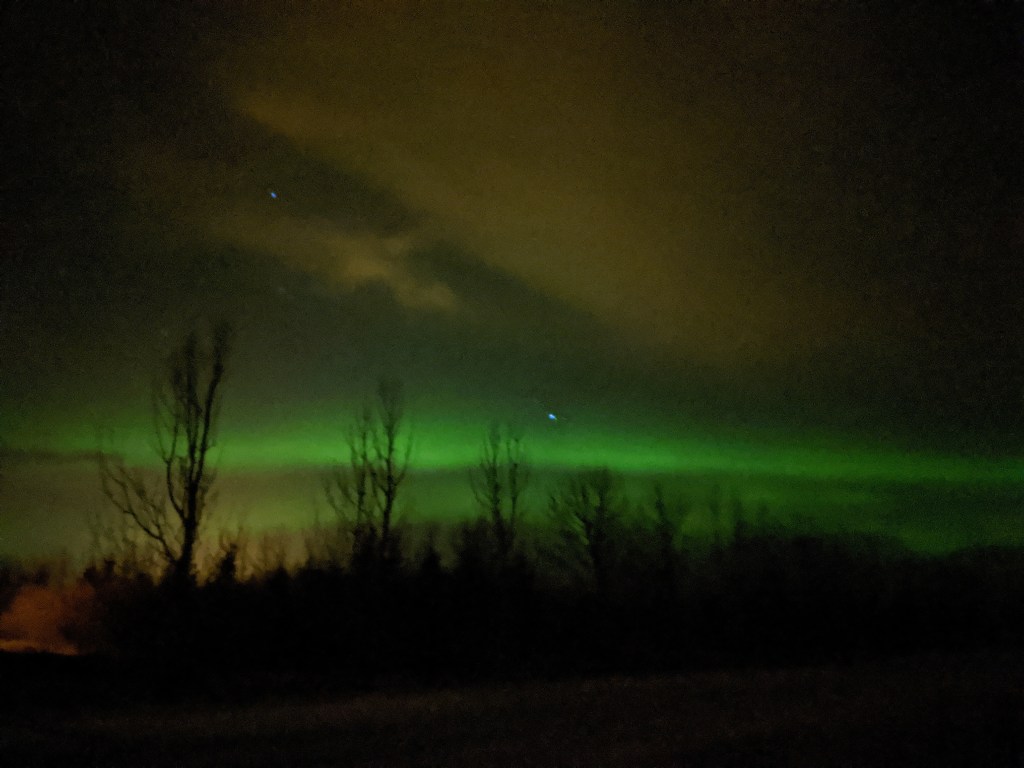
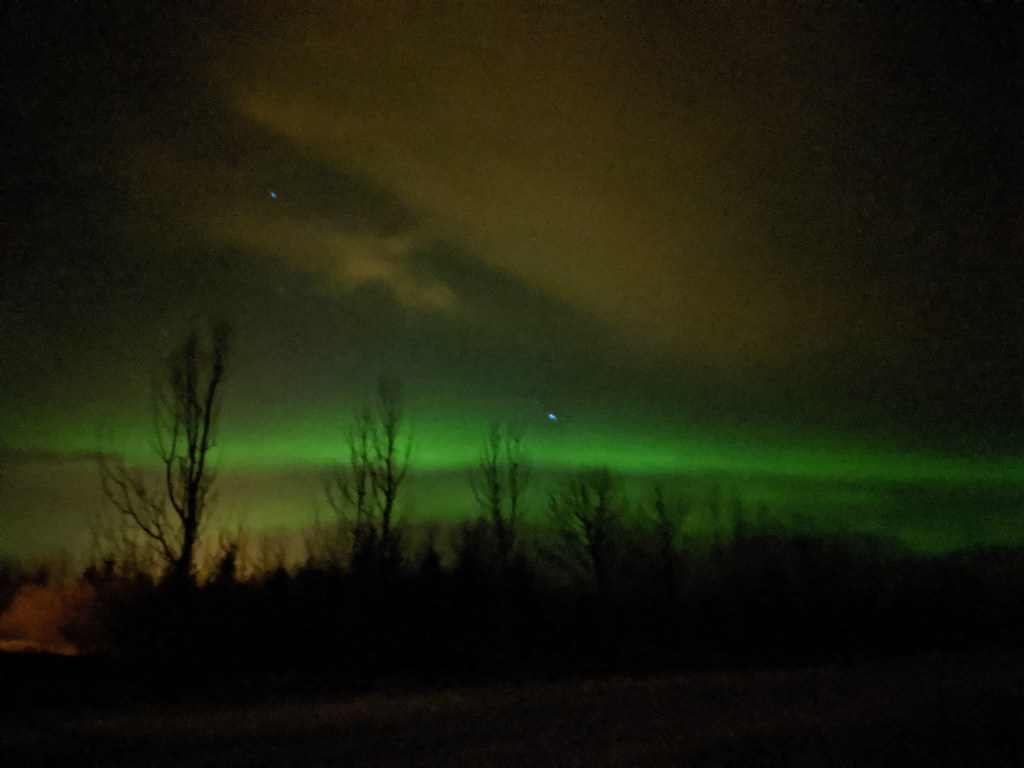
If you might be in luck one night according to the apps, try and think of places to go with low light pollution. We were in Selfoss which is a fairly large town so we drove off to an empty car park out of the populated area for darker skies and higher visibility and still didn’t see them (though we did see the Milky Way!). Then we spotted them once back at the hostel in Selfoss and our reaction was to drive carefully and quickly towards them, away from the lights. We ended up down a virtually unlit side road looking at them! If you have time and suitable vehicles to venture further North or to one of the islands off Iceland, they are less populated, darker and displays may appear brighter!

In your own car?

TIP 1: Be ready for anything! Honestly, if you’re really up for seeing the Northern Lights, you shouldn’t not do anything else for them BUT you have to be ready to drop anything when they do come along because they don’t always stick around. If you’re in a hot tub and you don’t even have time to throw your boots on before getting in the car, so be it! This is once in a lifetime potentially, and the lights don’t wait for anyone so be prepared to be unprepared, but chase them anyway. It’s part of the magic. Do bear in mind, in a car rather than a 4×4 there are certain roads you are not permitted to drive on, particularly in the mid-North areas, which are where the lights are more likely visible!

TIP 2: (and this is the big one!) apps are essential to follow. Trying to end up in the right place at the right time without guidance would be virtually impossible so follow the apps. Don’t go too far out of your way based on what the apps advise though, or get yourself into any danger in the dark because the apps aren’t completely reliable and the lights can still be unpredictable. Follow the following when you can (click the app titles to go to the websites and check them out!)

  • Cloud cover app: this app is great and seemed very accurate when we were there. It shows low, mid and high cloud on various tabs- it’s your job to look at each layer throughout the hours and find the spot where there’s no cloud at any level- it’s more accurate on the day because storms can arrive off the Atlantic unpredictably!
  • KP index app: (there are lots of these and their info varies, so get a few and compare for the fuller picture). Our personal favourite was My Aurora Forecast. It gives all kinds of stats such as viewing probability and it explains what each KP index number means. Essentially though, the scale goes from 1-10 and without going too deep into the science that we don’t quite understand, we’ll say 2 is moderate chance, 3 is pretty good chance, 5/6 is almost unheard of, huge beautiful displays that could be seen from countries like the UK and 10 is just a phenomenon. We saw our display at a KP 3.
  • Weather app: checking the weather is useful just to know what is best to wear when wandering around looking up- if you’ve used the cloud cover app correctly it should be clear skies for most of the time you’re outside, but seconds after the display we found the weather (as is always the case in an Icelandic winter it seems) can change into a snowy blizzard in seconds! So stay warm.
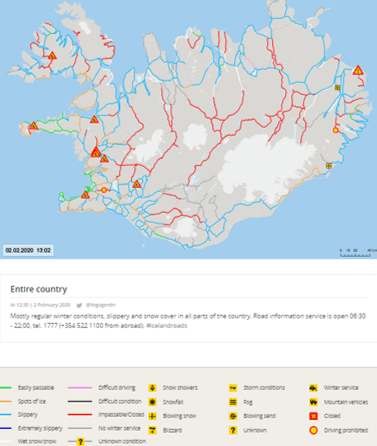
  • Road app: to check if it’s safe to chase! If you’re in the car, which if you’re on a budget we’d suggest you should be, you might want to drive a few miles to get out of the way of light pollution and clouds above in order to see the best display possible. Before you do, just check the road conditions! In the excitement of it all it’s easy to forget, but if it’s late at night/early morning and the roads haven’t been cleared and it’s pitch black, you don’t want the fun excursion to turn into a not so fun road accident/car slide. So check it, always! And if you think the chances are high one night-stay off the alcohol so you’re in a fit state to chase!

Not in a car?

Don’t get us wrong, there are still plenty of incredible opportunities to see the Northern Lights if you’re not in a car. It only worked on a budget for us because there were two of us splitting the cost of the rental, petrol etc. If you’re a lone ranger/hesitant driver/have a bit more cash to splash in a group and want the big experience…

There are plenty of trips for the Northern Lights where you stay in glass roof hotels, go on ‘safaris’, have staff who’ll alert you if they appear, drive you through any and all weather to where they appear – they cost a little bit more than the way we did it, but it just depends on the experience you want. The expertise of those you’re with will help relieve the stress of things. Just be prepared for the disappointment if you’ve spent a lot and tailored your trip towards seeing them, there are no guarantees and you will be seeing them with lots of other people from your trip (which could be a positive or negative depending on what you like).

The fact is you are with experts, in the safety of an experienced driver and you may just make friends for life so these guided tours and experiences are by no means a bad idea if that’s suitable for you! And hey, if you stay in a glass roofed hotel in the North of Iceland and get to travel in 4x4s with wheels the size of a small car, they are once in a lifetime experiences in themselves!

Click here to check out some guided tour options!

If you do see them, take a moment whilst they’re visible up there to really take it in- don’t just look at them through your phone or camera; they really are an experience to cherish. And even now we’ve seen a glimpse of them once, whenever we’re in a country where they’re common, we’d chase them again because every display is unique and entirely captivating. And whatever the outcome, enjoy the search.

Please comment any questions. Thanks for reading!

CLICK HERE FOR GENERAL DRIVING IN ICELAND AND PACKING FOR WINTER tips!

Seven days in heaven; the full picture.

A guide to road tripping in WEST AND SOUTH ICELAND IN 7 DAYS.

Get ready- this post is thorough. All about everything we squeezed into our seven days in Iceland, from landing in Reykjavik to flying out.

Warning: if you just want to know about food and accommodation click here – if you just want to know about activities click here or for general guidance here. If not, buckle up.

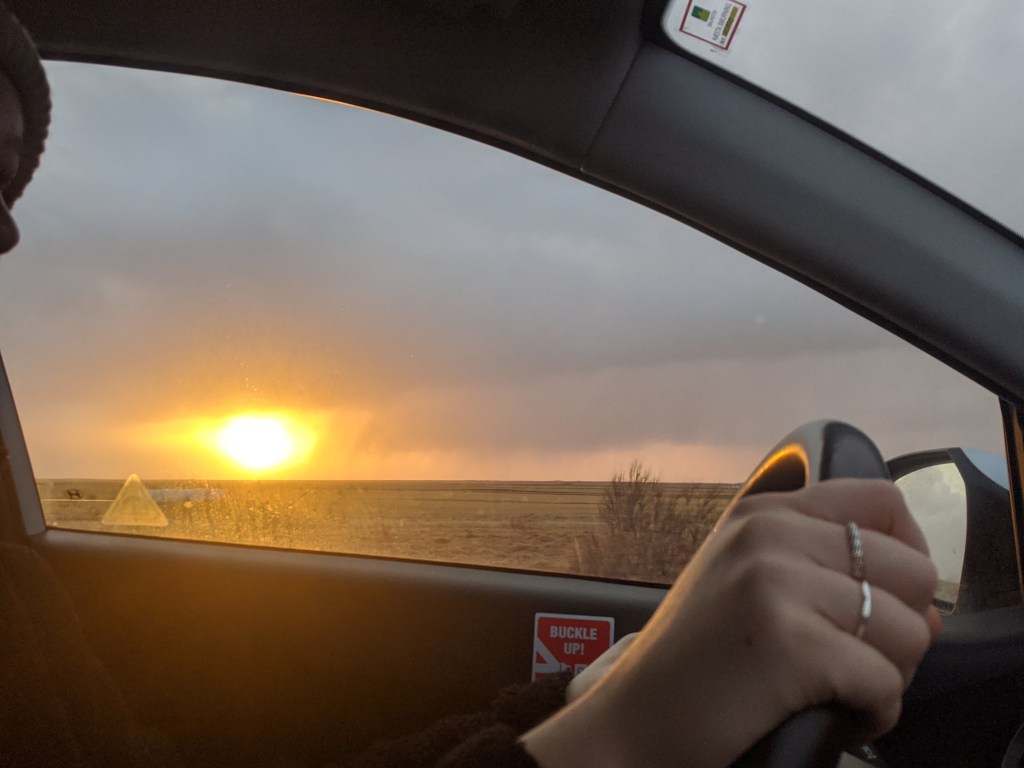
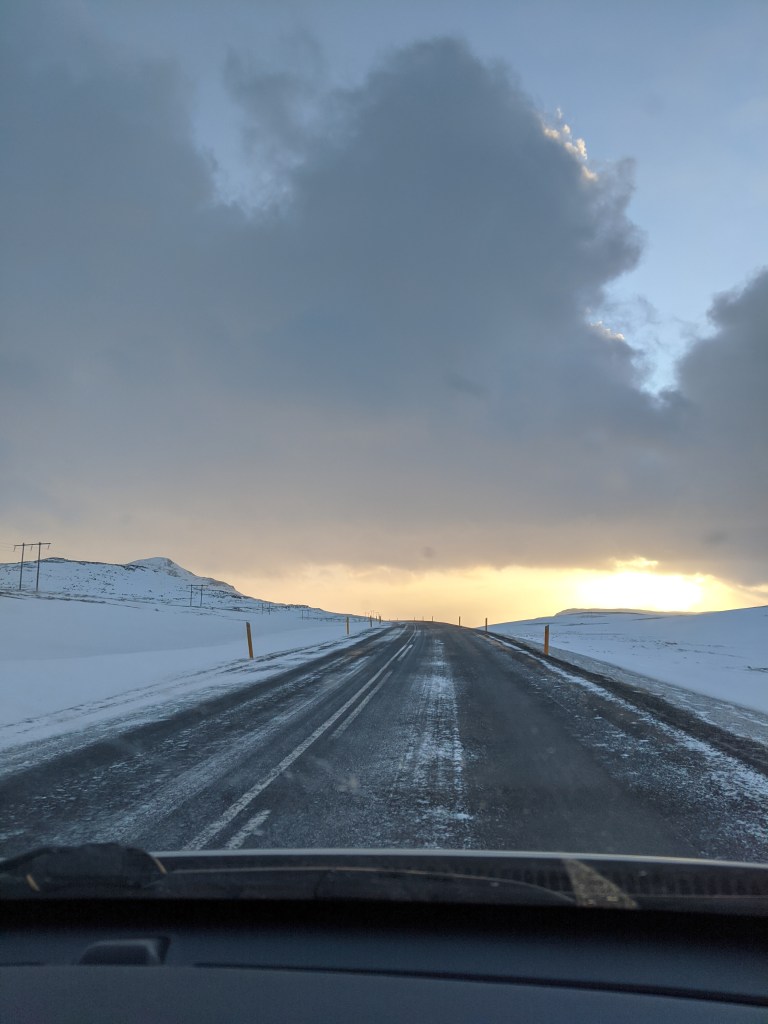
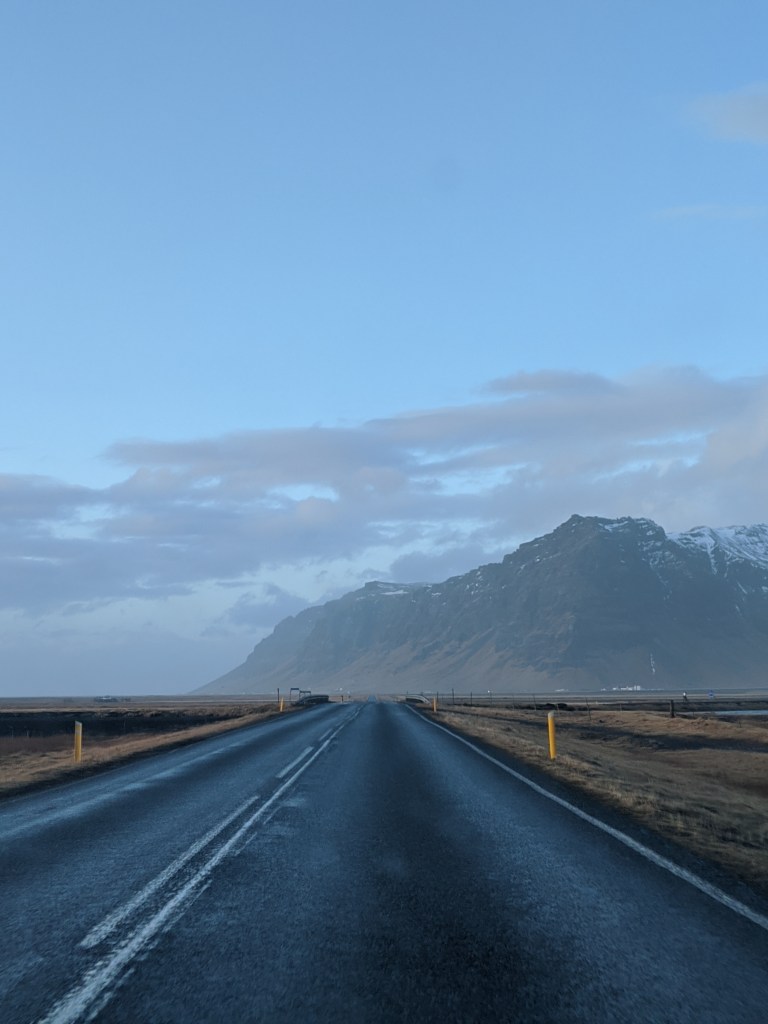
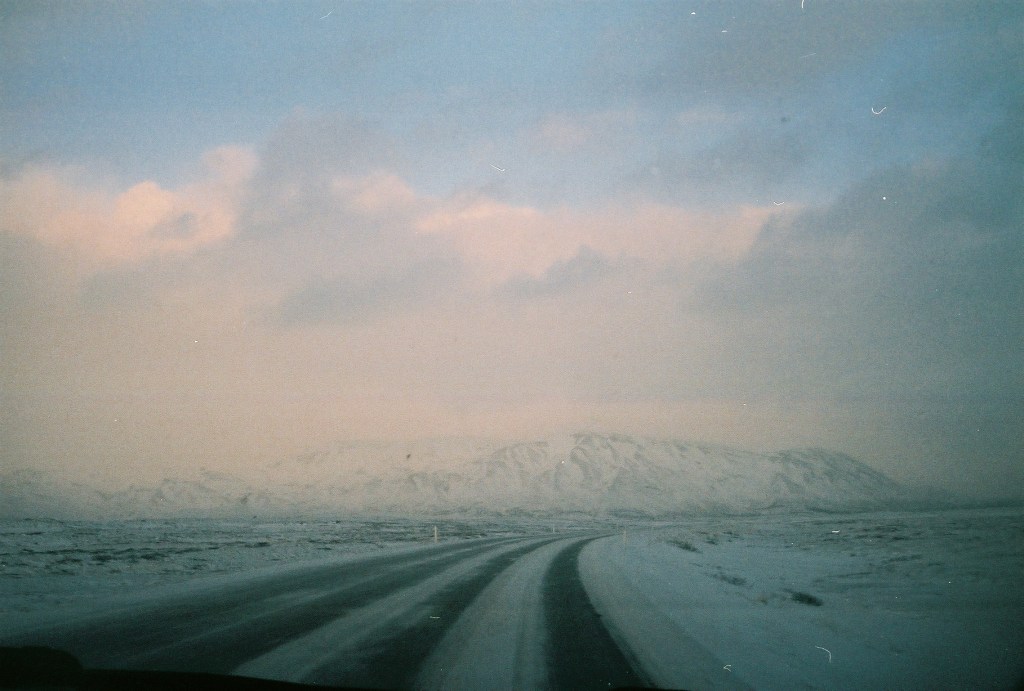
On the road from Vik to Selfoss.

DAY 1:
Arrival in Iceland.

Our flight to the Reykjavik was at a reasonable time of day, which gave us time to wake up, overestimate how much time we had to chill, panic, run for the train to the airport (which we narrowly caught) and get to the terminal.

The flight was around two and a half hours from the North of England.

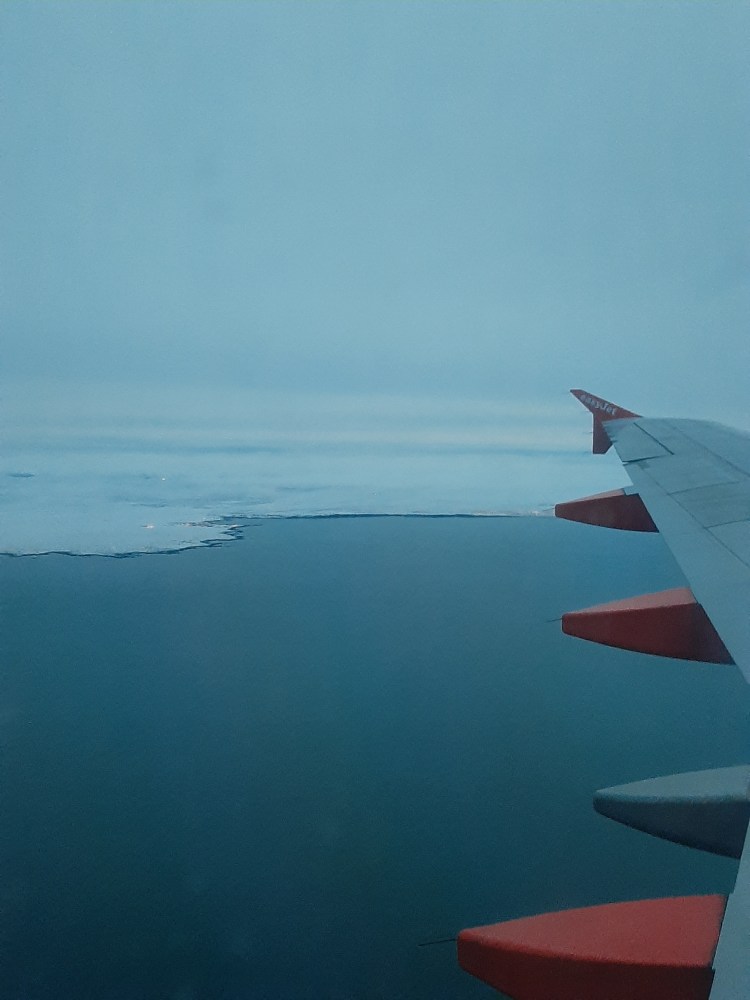
Then, we saw land… a sheet of white stuck out from the dark grey sea; it was around 5pm at this point and the long twilight had already begun. It was the time of night that the sun has gone but it’s not quite dark – the lights are on and everybody’s just got home kind of thing. So, the clusters of bright yellow lights were gathered by the coast, the mountains were visible amongst the clouds in the distance and our plane lowered and landed just after we passed the sea. We realised we had never landed on a runway in snow before.

Iceland from the air.

Icelandic krona retrieved from the ATM, luggage off the conveyer belt, we followed instructions to find the shuttle bus that would take us to Icelandic Car Rental where we were to be met by our wheels for the week.

The suitcase wheels really went through it over the few minutes, as the walk to the shuttle was through deep snow. It was cold. We were immediately glad we’d gone to the effort before arriving to get gloves made of a less absorbent material than wool or cotton.

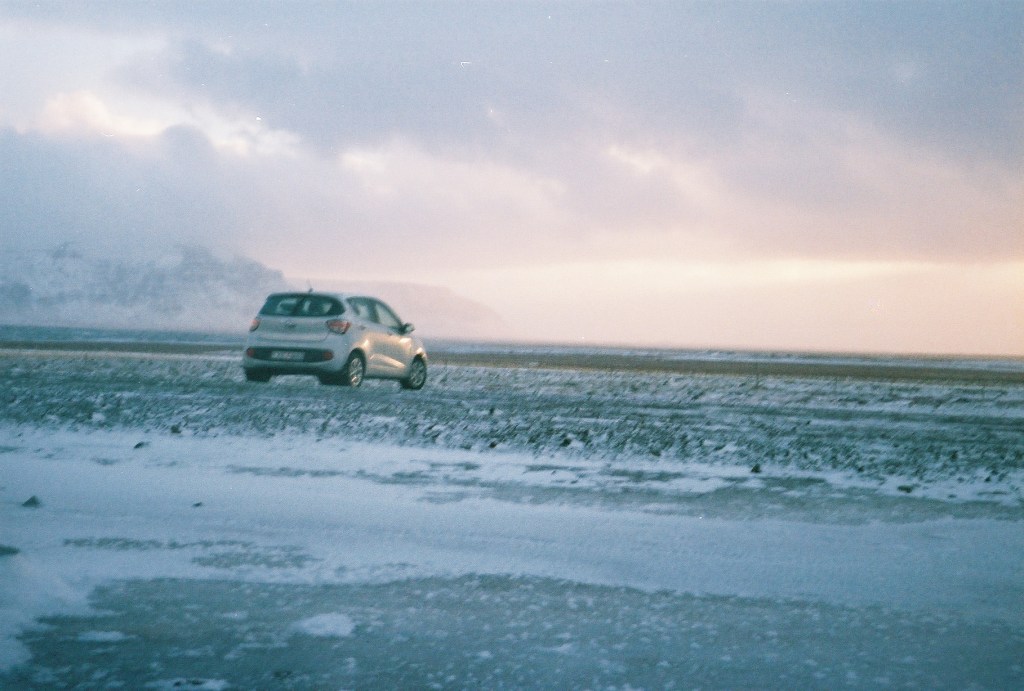
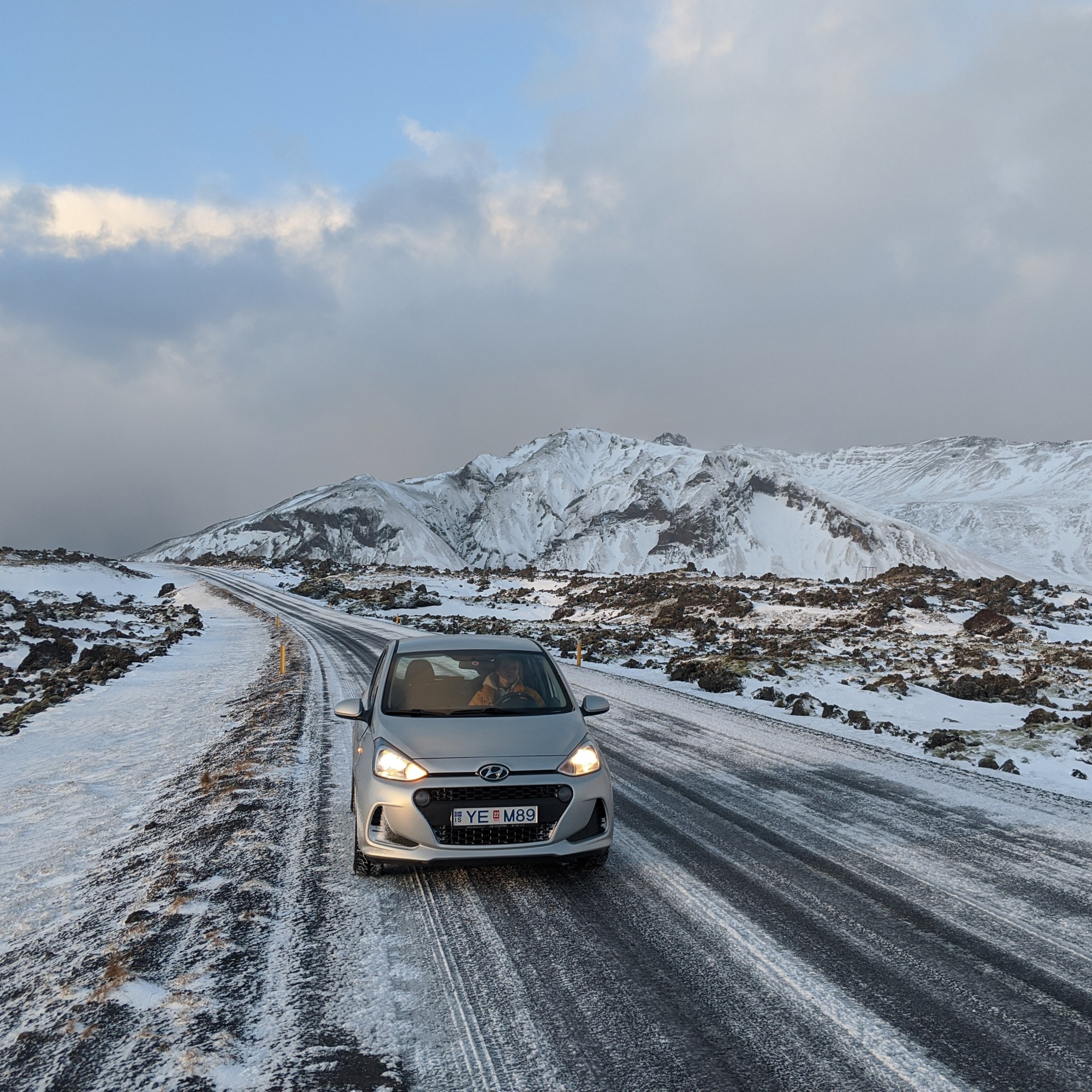
The shuttle bus took maybe ten minutes, then we were picking up our car. We were greeted by a lovely Icelandic lady who told us what is perhaps a scripted warning, about how tourists don’t treat these cars with respect- driving them into the sea etc., really not taking weather warnings seriously. We added extra insurance to our package and took the keys. The lady also told us there was a storm brewing and that we should really take note of the road.is warnings in the coming days. We took note and got in the car. It was small, sturdy and armed with winter tyres (which we would end up having a lot of faith in); a little silver Hyundai I20 that we fell in love with as a result of the nail-biting experiences it got us through.

The car was the opposite of what we were used to in the UK. The side the steering wheel was on, the gear-stick, the wipers, the cars on the road. We got out some of the snacks out we’d brought in our hold luggage (knowing how expensive Iceland is supposed to be compared to the UK!) and tentatively set off.

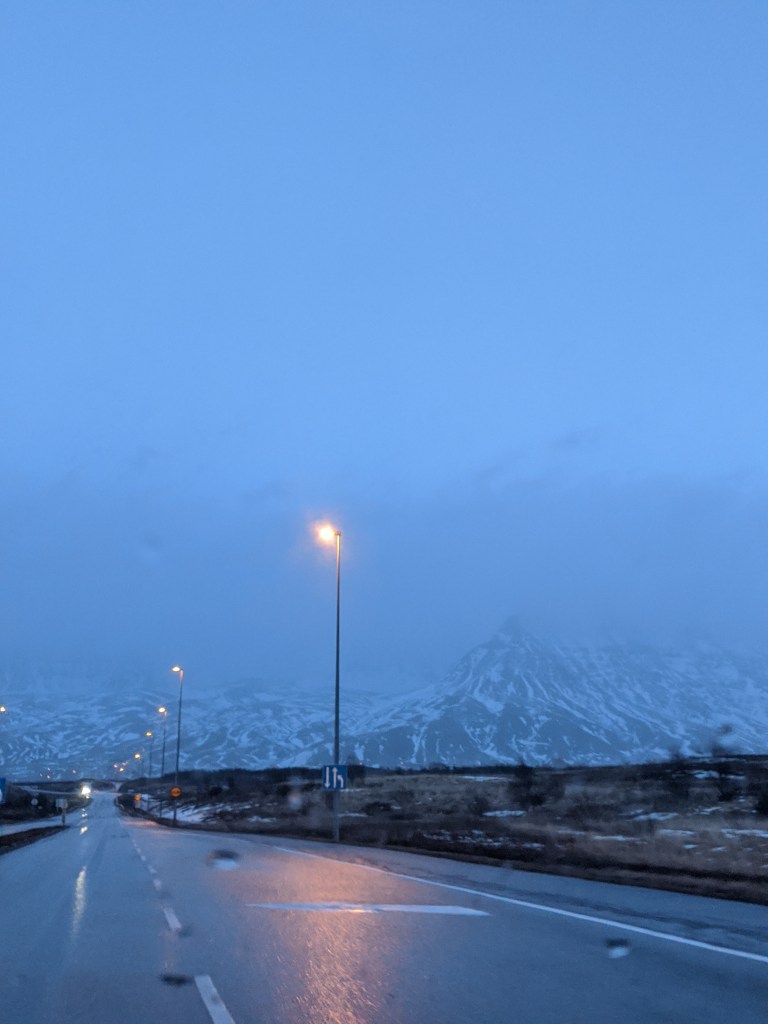
Google Maps led us on the 50 minute drive to Bus Hostel. The motorways lit from the floor and clear of snow although it was piled up on the sides of the roads. Once we got to grips with the fact the slow lane was on the right, not the left, practised general spatial awareness with the car and understood the simple signs, we were really fine- the weather was pretty timid this night… little did we know.

By the time we arrived, it was 8.30pm. We hatched a plan for the coming days, plotting daily routes into Google maps and saving them to the home screen, just in case one day we lost internet out in the middle of nowhere- the saved routes would still be picked up by GPS!

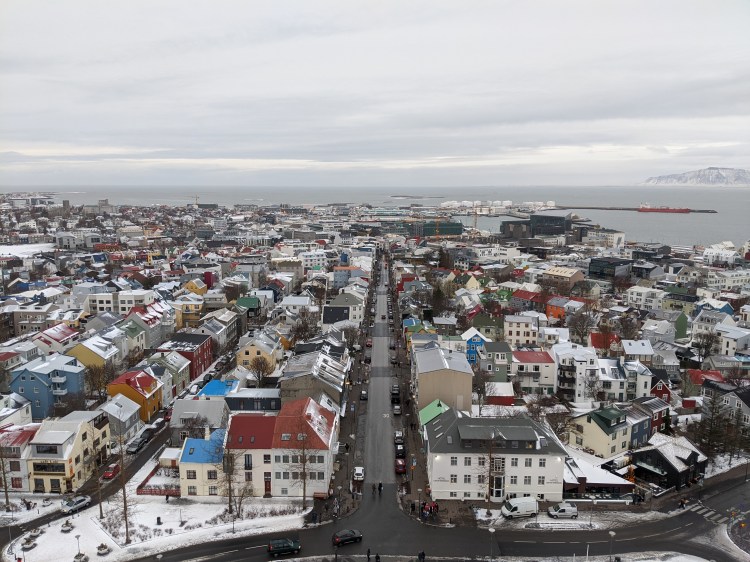
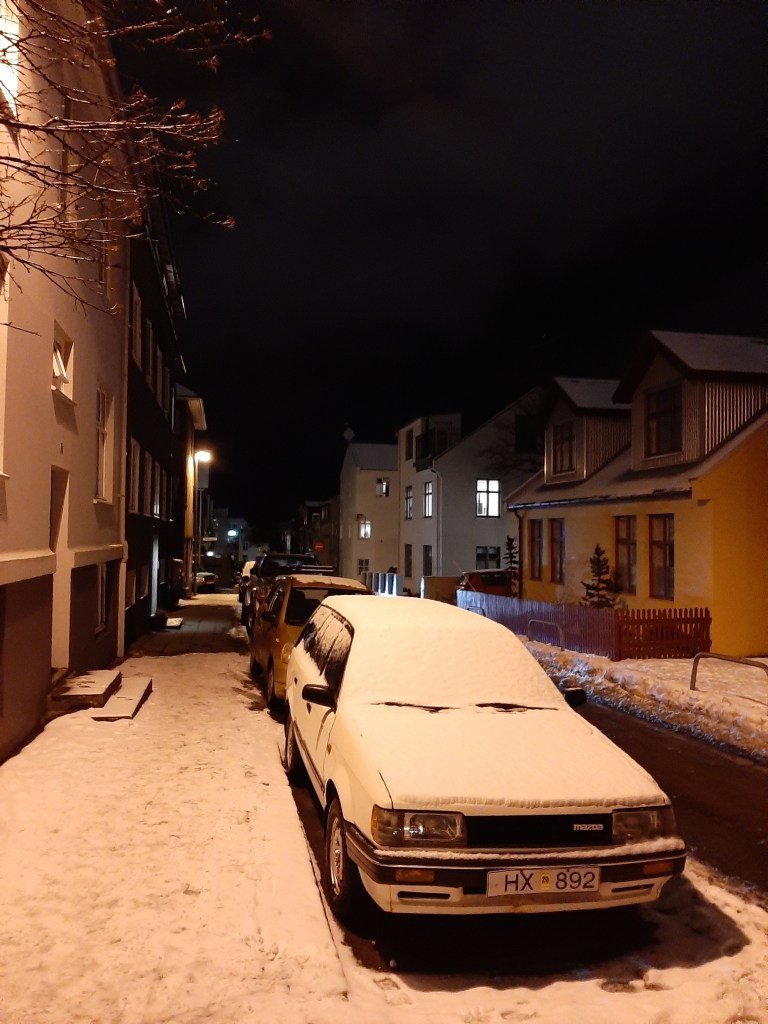
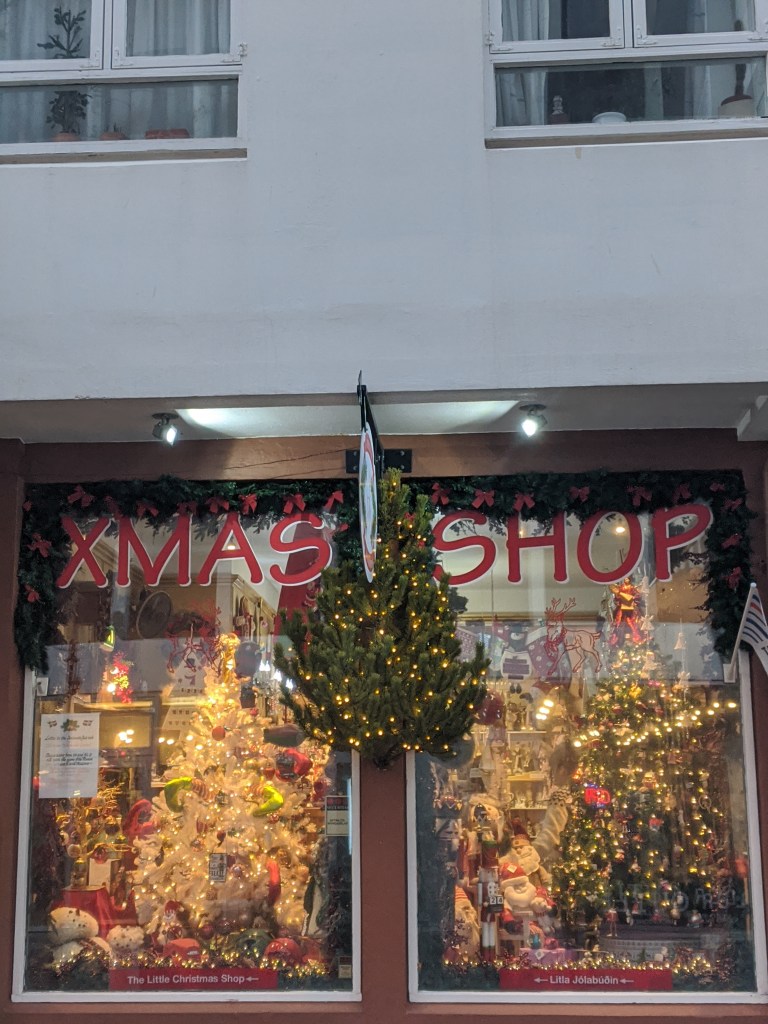
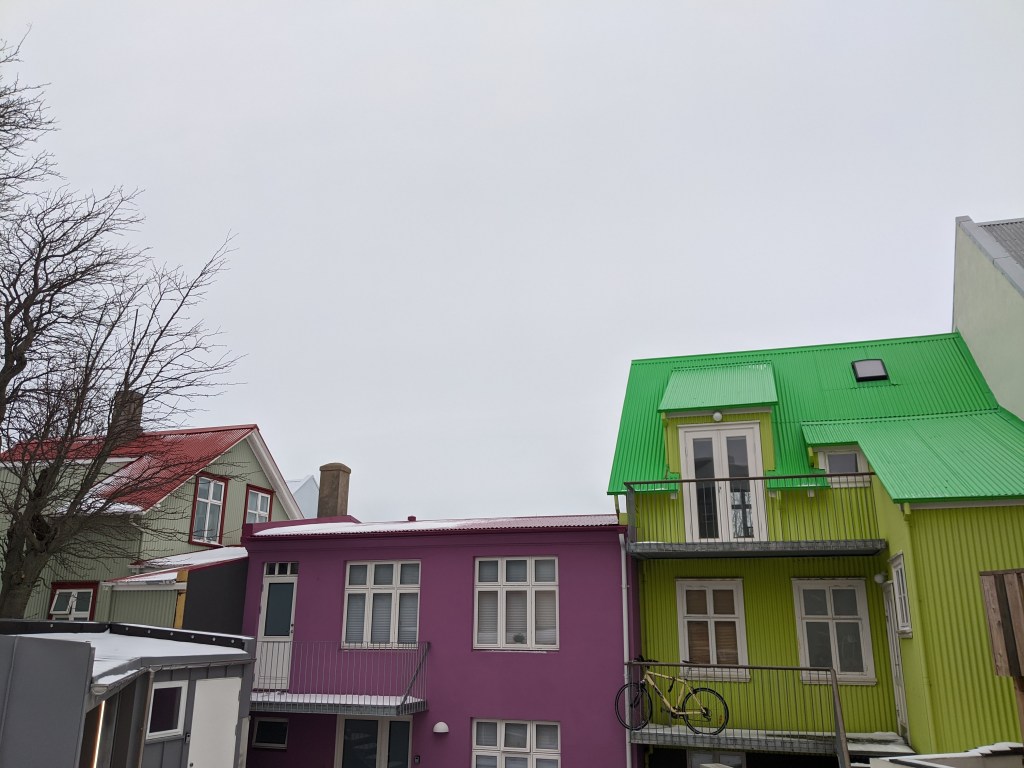
We had a wander into Reykjavik and noted that there were a lot of natural growing ‘Christmas trees’ surrounded by snow (speaking of Christmas- despite it being late January, a lot of places still had Christmas decorations on display! Whether this is a ‘thing’ or not, we never quite discovered). The walk to the city took about 20 minutes. The houses en route were boxy and the streets were quiet and clean, everything looked quite minimalistic and aesthetically pleasing. Simple, cosy and inviting, which is what you want given that the temperature outside fluctuated between -2 and 8 degrees Celsius over the course our week there!

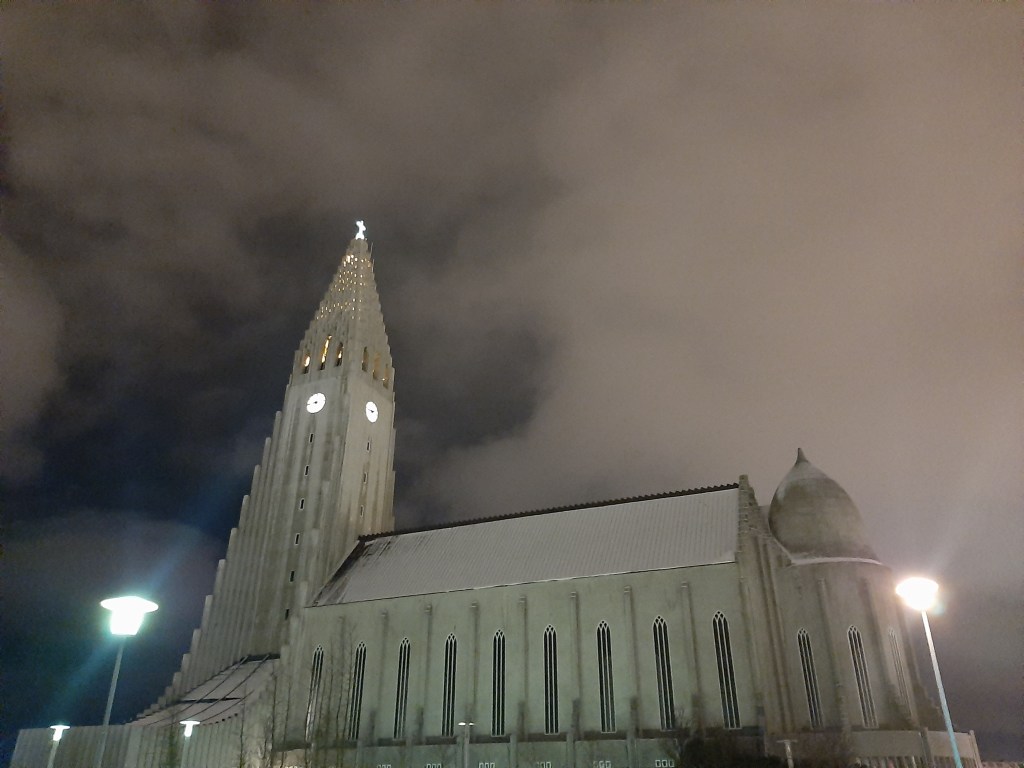
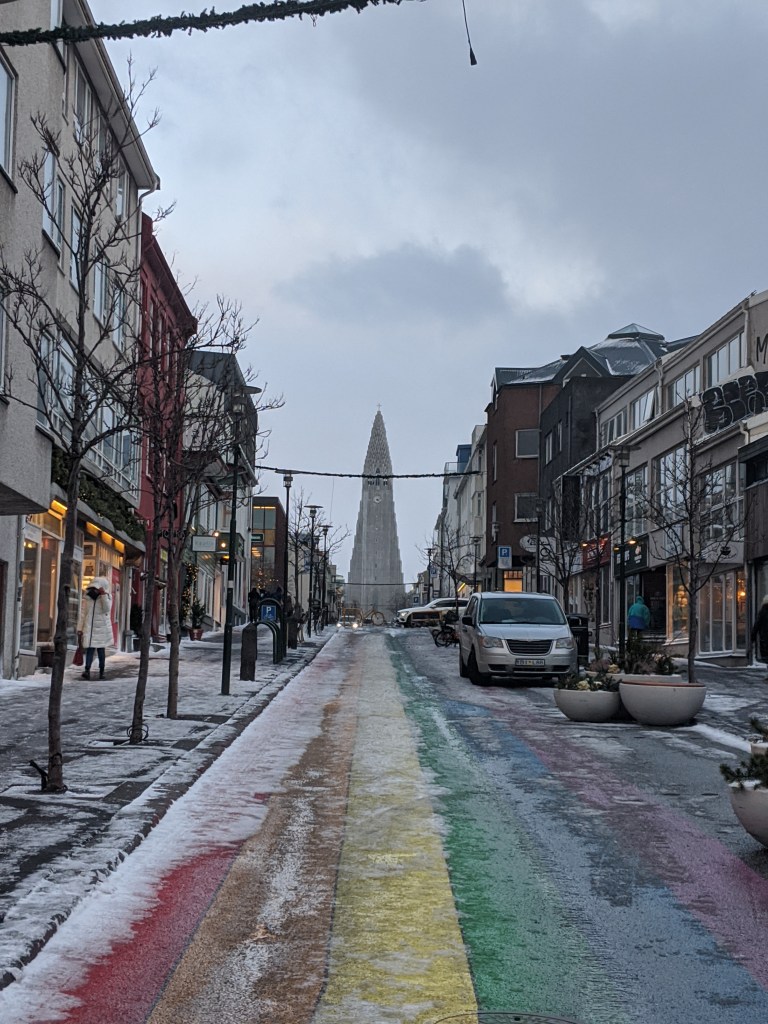
We explored some of the shops, noticed that quite a few things were Thor themed, and generally Viking themed. We saw Hallgrimskirkja Cathedral on our way into the city, which was symmetrical and played music as we wandered by- reminiscent of basalt columns in its architecture, it stood out against the night sky.

Eventually, after plenty of wandering and an emergency stop at the corner shop for drinks, we settled on a detached little house-come cosy cafe Kaffibrennslan, full of locals playing card games and drinking beer.

Kaffibrennslan

Following this, we wandered back to get some sleep. Our road trip started early next morning, but we’d be back in Reykjavik to explore properly towards the end of the week!

DAY 2:
Setting off into nature.

Wind. That was the first thing we noticed, or rather the first thing that slapped us in the face as we stepped out the door of the hostel on the first day of our adventure.

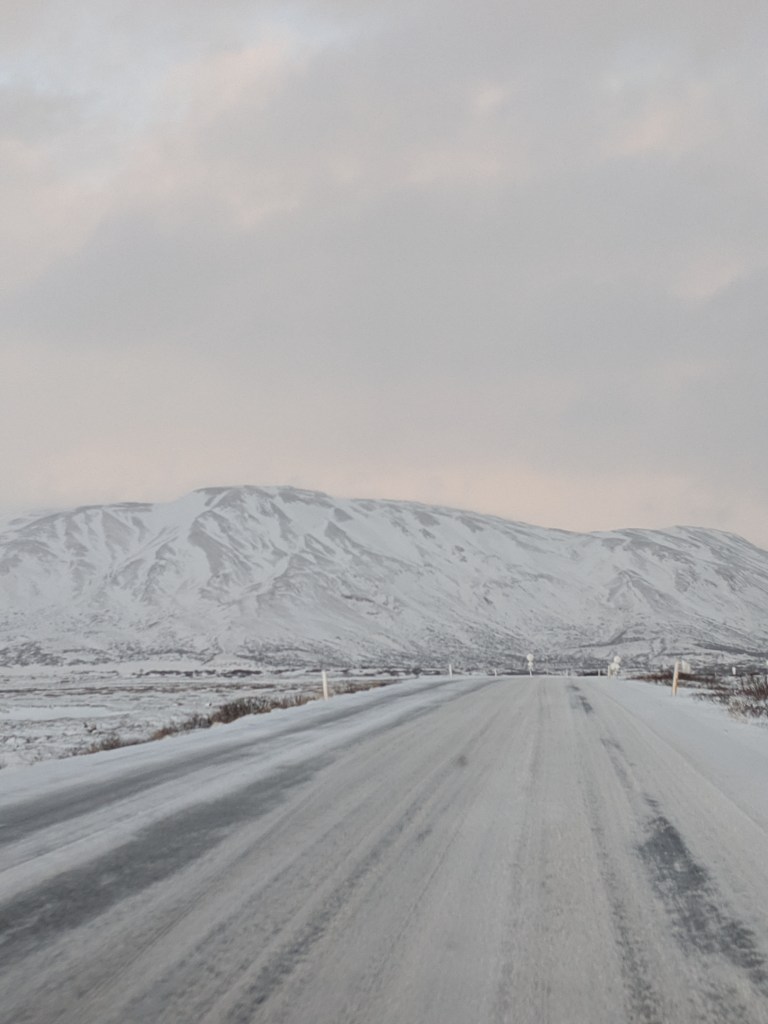
We were headed North from the city. There are very few roads you can actually choose between if you aren’t in an off-road vehicle. There are just a few main roads that get you where you’re going so it’s difficult to get lost and the views at every second are beyond breathtaking. Just double check that a route you’re planning isn’t set to take you off road if you aren’t equipped for that. (Read more extensively about our driving advice here!)

We were ready to go by 10 am, by which time, of course the twilight hue in the sky had returned but the sun had not yet risen. It was biting cold and if you didn’t hold onto the car door, you’d lose it. But we set off, almost driving on the wrong side of the road out of pure habit. The roads were stunning and the sun rise lasted for hours- a pink hue seemed to remain in the sky regardless of the time of day, most days.

The first leg of this drive was lengthy and mountain encompassed. The scenery was dramatic and the roads pretty baron. We put our music on and drove carefully, in wonder at everything we passed. It really felt almost instantly like it was our little car against nature. And nature looked pretty intimidating to say the least. We had all the luxuries of being in a cosy house; heated seats, snacks… but you did think, if it was you and this landscape for even a few hours, the landscape would win hands down.

A long sunrise out of Reykjavik.

The roads were clear of snow and ice, which was a good job considering how inexperienced we were at this stage. But when you got to a flat bit of land with no mountains for shelter, boy did you feel the wind in that little car. It was manageable for sure but we remained cautious always.

But for the occasional Bird of Prey, or Icelandic (extra fluffy) horses in the distance, or a much more road-suitable car overtaking us every now and then, it was just us and the open road. We went through a tunnel under the sea and a bridge over the sea (it was ROUGH and we decided we were glad we were in a car rather than a longboat!), we stopped at a Bonus supermarket on the coast and had our first taste of Mondlukaka which tasted like some kind of Bakewell Tart cake- it became our unhealthy staple.

Eventually, we arrived at our first stop Ytri Tunga, which was a nice stretch of sandy beach covered in patches of ice and snow, which felt odd. There are usually seals chilling (literally!) on this beach but after reading the information board we basically discovered that no amount of blubber could make even the craziest of seal come and freeze on the West Coast of Iceland in January, and they really were there in any other month. Nonetheless, the beach was beautiful and the sea looked like an angry beast. We chose not to take a dip and after stretching our legs and trying our best to stay upright, we swapped drivers and headed onto our next stop- always conscious of early sunset and how driving here at night would be far worse than rushing a little in the day.

Next, after a wrong turn up a mountain and a questionable 3-point-turn, we had made it into Snaefellsnes Peninsula region, which felt like an achievement.

Our next stop today was Raudfeldsgja Ravine. Now, on our journey that morning, we’d read a lot of folk lore to pass the time. All about the myths and legends; the trolls that had frozen into rocks when they’d been caught in the sunlight out to sea, the elves that lived deep in the mountains (as recently as 2013 roadworks were stopped when workers succumbed to the protesters insisting ‘DO NOT DISTURB THE ELVES.’ (read more here) Depending how you feel about such things, this may sound pretty crazy but honestly, Iceland has a feel all of its own that makes one feel like creatures really may exist in the places no human could realistically reach- in the spaces between the mountains or in the hollows beneath. (We both love Lord of the Rings so we were fully on board with this).

The point is, this particular Ravine was cloaked in such history- with a whole tale about two brothers who killed their sister and their father threw one of the brothers, Raudfeldsgja, into this ravine. In the clearing we almost were genuinely blown over. There was evidence in the form of boot prints that people clearly ventured into the ravine, but the snow was knee-deep in places and the sunlight was waning slightly, so after walking up the path, marked out by piles of stones, a fair way- we got back in the car. The ravine was like a huge crack in the mountain that looked like only Thor himself could have created with thunder.

After warming up our fingertips in the car heaters, we headed to our next stop: Hellnar. (We missed Budir, the black church simply due to a missed turning- but it’s along this road, so if you do a similar route make sure you stop there too!). Hellnar was magnificent; it was in amongst a little village of identical houses- we wondered how people lived in such a remote and weathered region but we could see the appeal purely with the views. Behind the lonely church was the sea crashing against the rocks, and in front was the village, towered over by the snowy mountains of this national park. Everything man-made looked so tiny yet so well-built and so aesthetically pleasing. If you’ve ever seen a Wes Anderson movie- picture that. The gate entering the church grounds was broken (presumably by the storms) and the church was tiny, but in every village we visited the churches stood alone which gave them an air of significance greater than any other building anywhere. They were by no means fancy or over-the-top, but unique and full of purpose. After taking some photographs and peering in the window and spotting very little, we went troll-hunting (only for the frozen ones).

Raudsfeldgja Cliffs were majestic in themselves but when paired with the tales we’d read, they were truly something else. We were kept on the coastal path by railings. The winds were up to 60 km p/hr and we kind of got the heeby jeebies stood up there, knowing the chances of survival if we were blown off were at absolute zero. The sea seemed angry in a way we’d never seen before- it looked threatening and menacing in this storm and the trolls that ventured out there in the first place must have been pretty brave. After taking in the wonder, we had nearly geographically reached the top of the nubbin that was our route around Snaefellsnes and we carried on to the little town of Hellisandur, the biggest town we’d see all day.

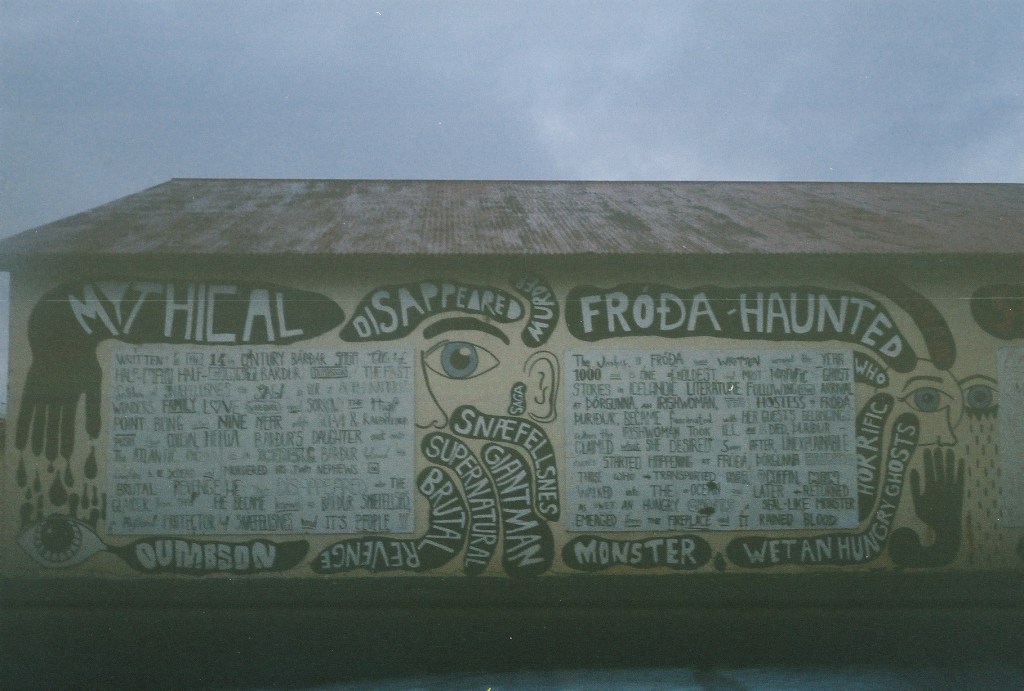
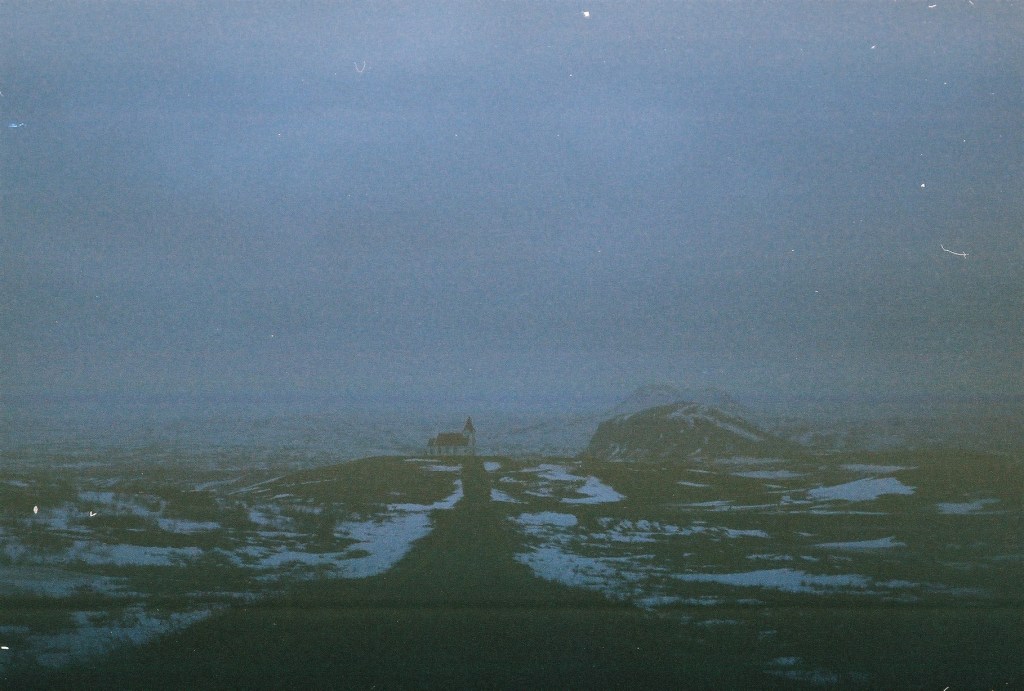
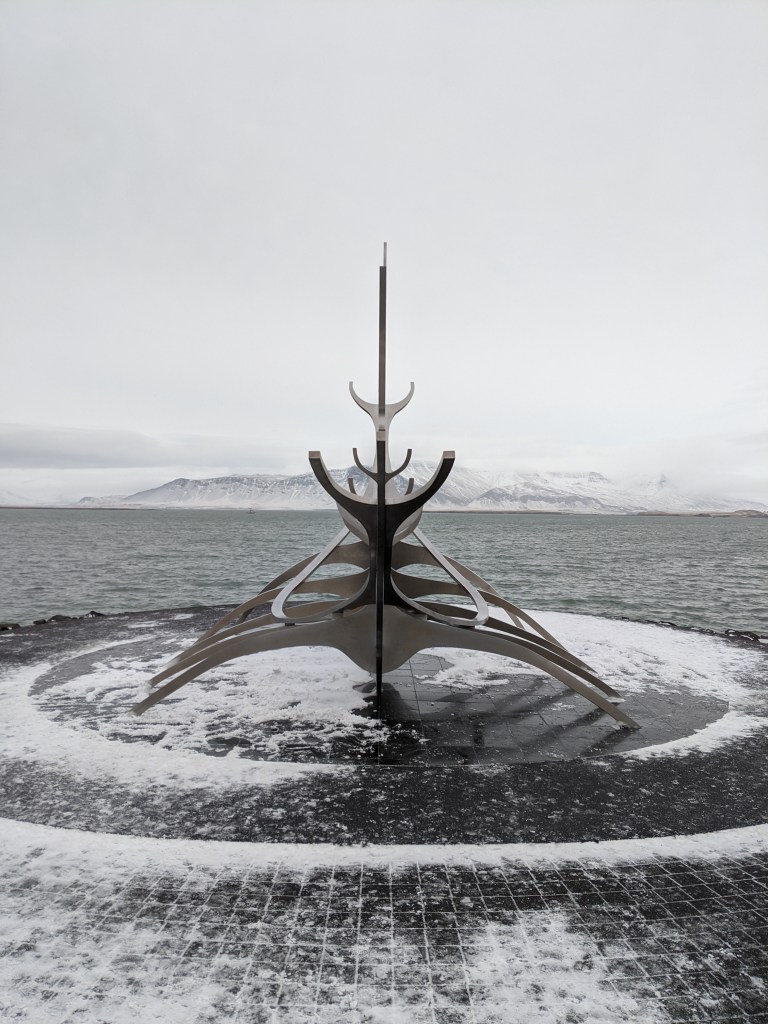
In Hellisandur, we saw kids playing in the streets in the cold and wondered how it must be to be a kid in such a remote area. Pretty cool, we decided. We parked in a public car park and went for a walk. We came across an area of wall art that surrounded a sheet of thick ice. We read each tale; about ghosts, ghouls, Vikings, serial killers. You could hear the sea crashing in the background. After this unique story time, we wandered around town and spotted a Viking ship sculpture, Christmas trees being grown under shelters and more beautiful graffiti as well as a parked-up fishing boat. It was hard to believe the conditions were ever safe enough for that fishing boat to ever be used by anyone. We then drove to the church a bit further down the road, which we later found out was called Ingjaldsholl– it was completely surrounded by mountains and fields and down a long straight road from the main road. A little pilgrimage on foot. At the church were stones, carved into which were a man and a woman, guarding.

As you can see from the pictures, it was very nearly dark by the time we were done exploring these unique places, but luckily we weren’t far from our accommodation by now. This was in Olafsvik, and our property Biker’s Paradise was perched, quite literally, on a sort of cliff-edge up a hill overlooking the sea. It was stunning but so windy, part of us didn’t believe the car wouldn’t have blown away by morning.

Olafsvik was a lovely town. The conditions were worsening and overnight it threw it down with rain, hail, snow- sometimes horizontal, sometimes vertical. That evening, we’d decided we deserved a nice meal after eating shop-bought food all day, so we headed to the local restaurant (one of two) Sker and both tried fish dishes, considering we were right by the sea- it was delicious. And it was chucking it down outside. We noted a petrol station that we’d use the following morning, where we bought some supplies for the evening and headed back to our rooms. We decided to watch Bokeh– a movie set in Iceland and it wasn’t the most uplifting film to say the least, but it gave us a glimpse of the days to come scenery-wise at least.

DAY 3:
Into the National Park.

We woke up around 9.30 am and it was still very dark out. Out the window we could see that the roads were snow covered and the wind had picked up, if anything. We read warnings on our phones from the weather but generally brushed them off (*not advisable!*) because we were on a time limit but noted that we should be extra cautious. We had a lot of ground to cover if we were get to our accommodation in Thingvellir National Park, far away from the nubbin of Snaefellsnes, by this evening. Our car was where we’d parked it, much to our relief, and we got in and headed down the hill we’d been perched on after saying goodbye to our lovely hosts. The roads were in a worse state than we’d experienced up to now. They were icey and the wind was still strong. Thank God for winter tyres.

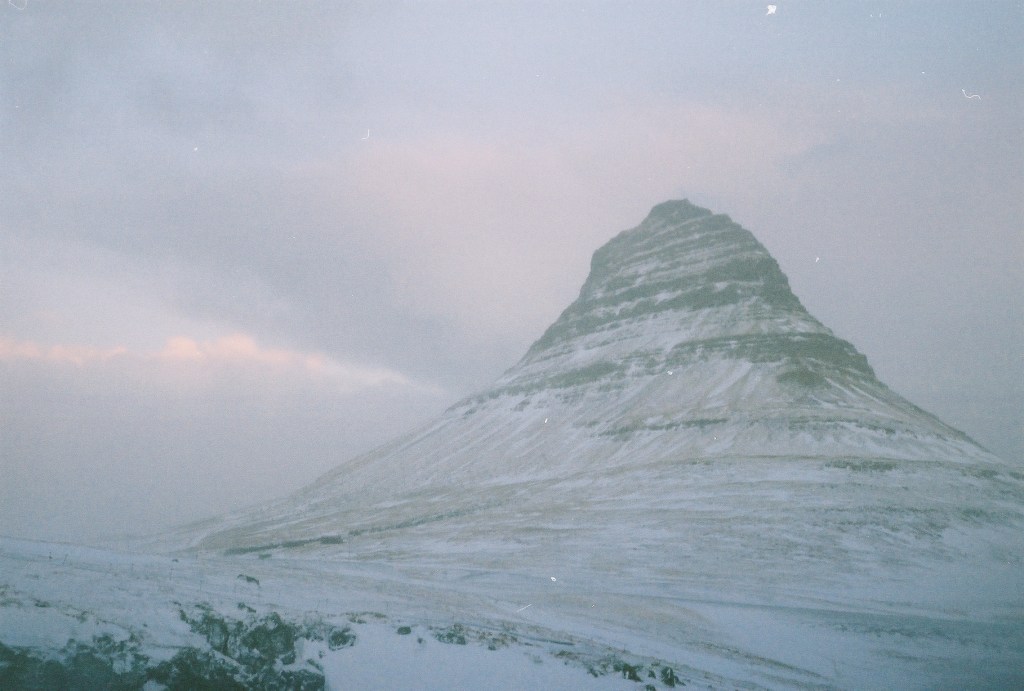
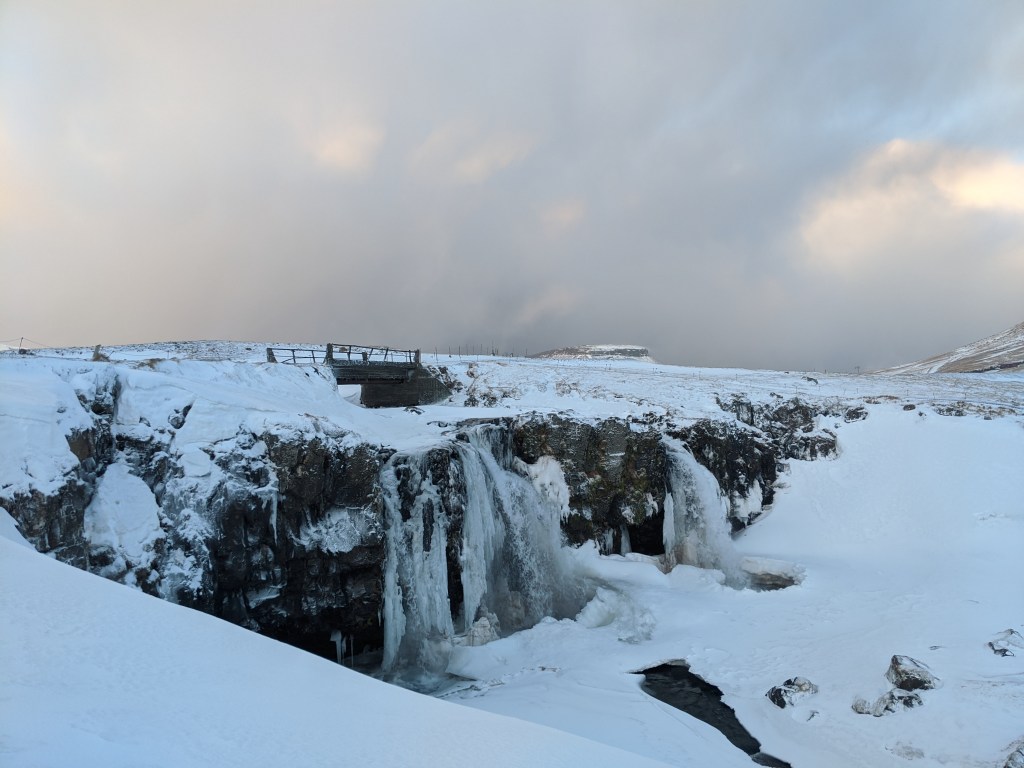
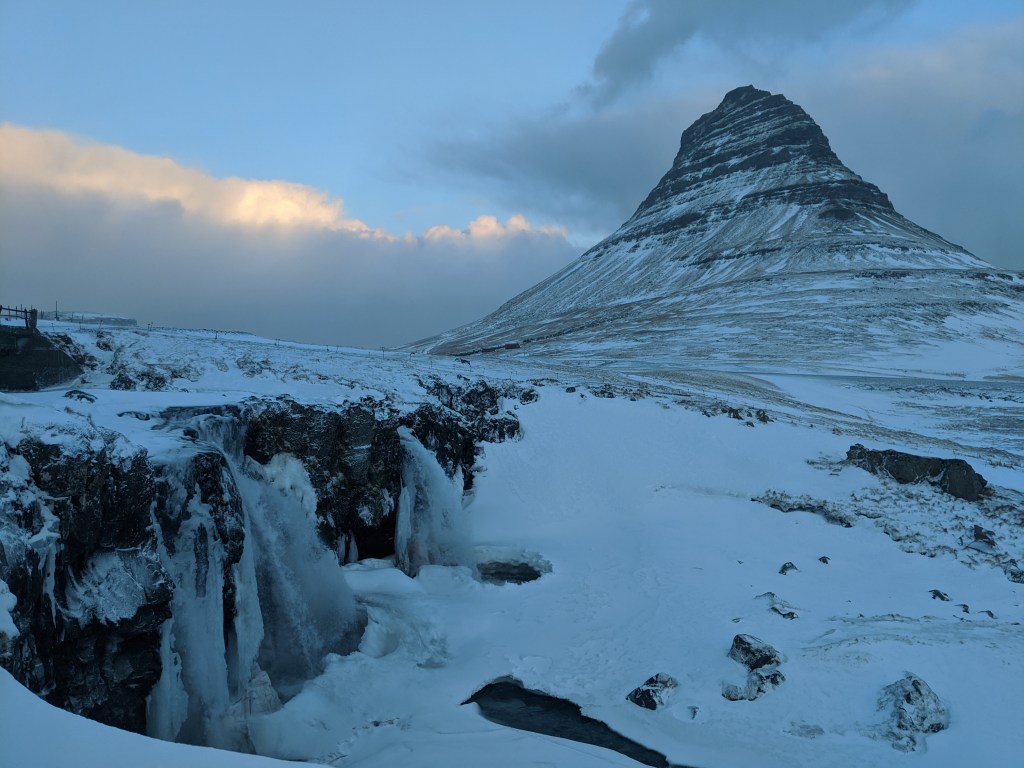
Our first stop today was Kirkjufell viewpoint and it was absolutely unreal. We drove across bridges, keeping two hands on the wheel, particularly in clearing as that’s where the wind was strongest. As we approached the mountain, from behind it had a flat-top, which was odd but as we got round to the front, near the waterfalls we turned off and saw the waterfalls with the pointy mountain as a back drop. We were in what could only be described as a whippy-blizzard. It was just us and some tourists with what I can only assume was a very heavy tripod. We took it all in. The sun was still rising so slowly and the cloud cover and weather conditions were changing by the moment. The ground was snow-covered and the waterfalls themselves looked like they’d broken ice to flow. It was breathtaking. A real must-see. One of those things that looks even more incredible in real life!

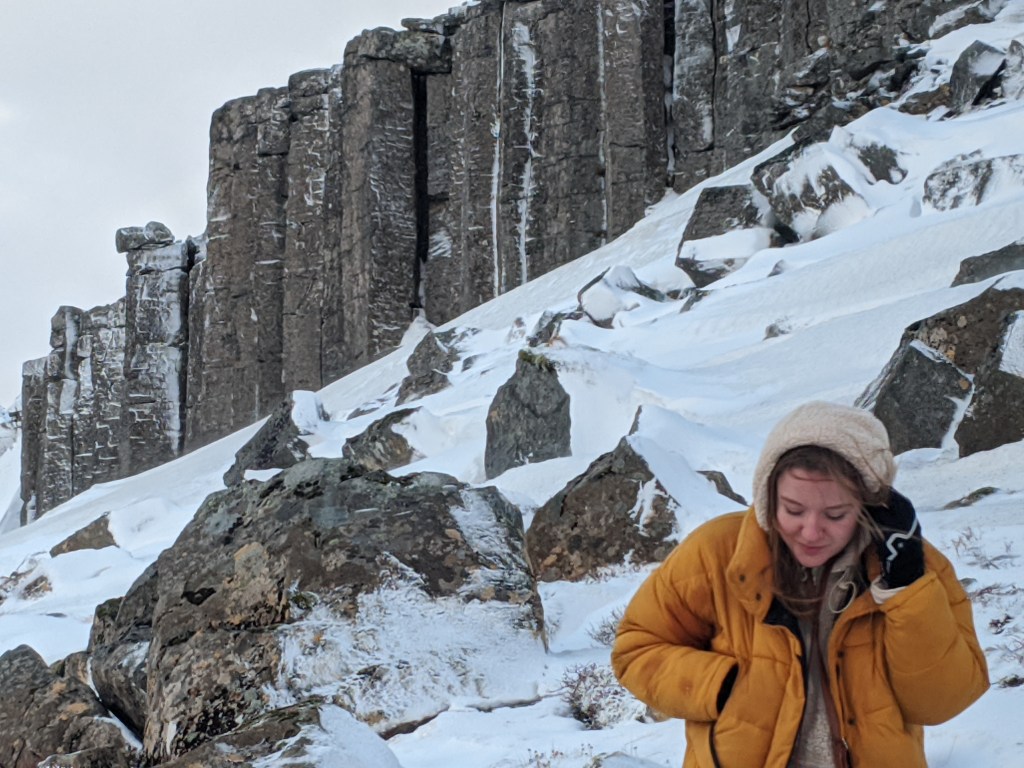
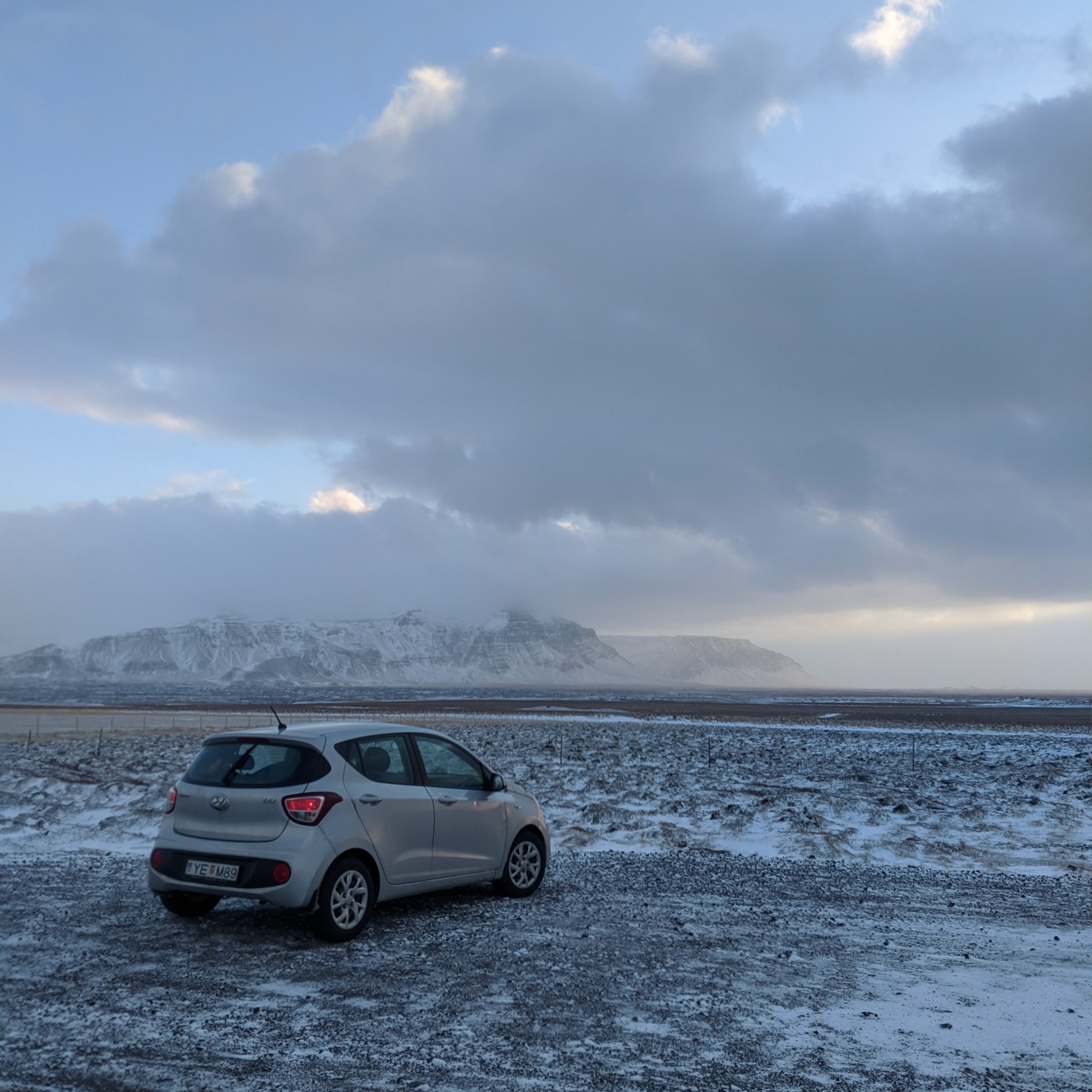
Our next stop on day three was to see the Basalt Columns: Gerduberg Cliffs– something we’d seen once on some wanderlust Instagram account and had always kept in mind. Basalt columns are fracture patterns created when lava cools, often forming hexagonal shapes. When we arrived at Gerduberg Cliffs, we were the only people there and the sky looked unbelievable with storm clouds coming and going overhead. The cliffs were towering over us and the car, parked, looked like it was in an ad. We ventured over ice and through snow to get a closer look at the cliffs, which looked shorter than they really are because the bottom section of the pillars was covered in snow a few metres deep.

Time was pushing on and after spotting Erdberg Crater from a distance we continued on because we knew even if we’d gotten closer, we wouldn’t have had the time to walk up to it anyway- but if you do have time on your journey, it’s on this route!

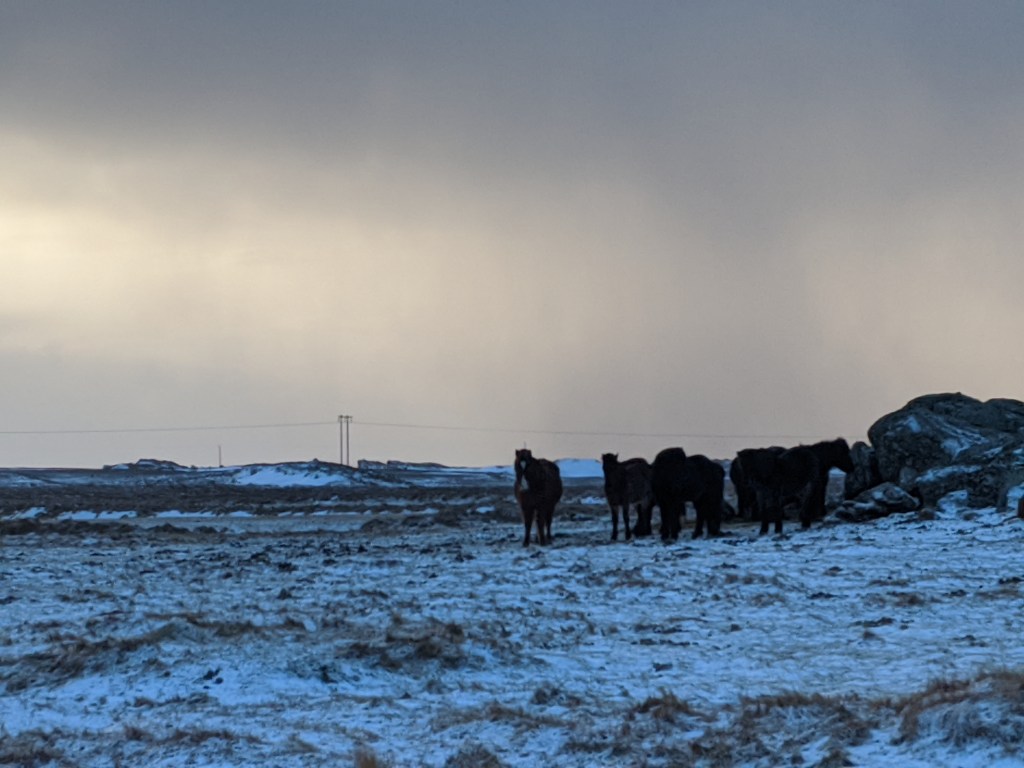
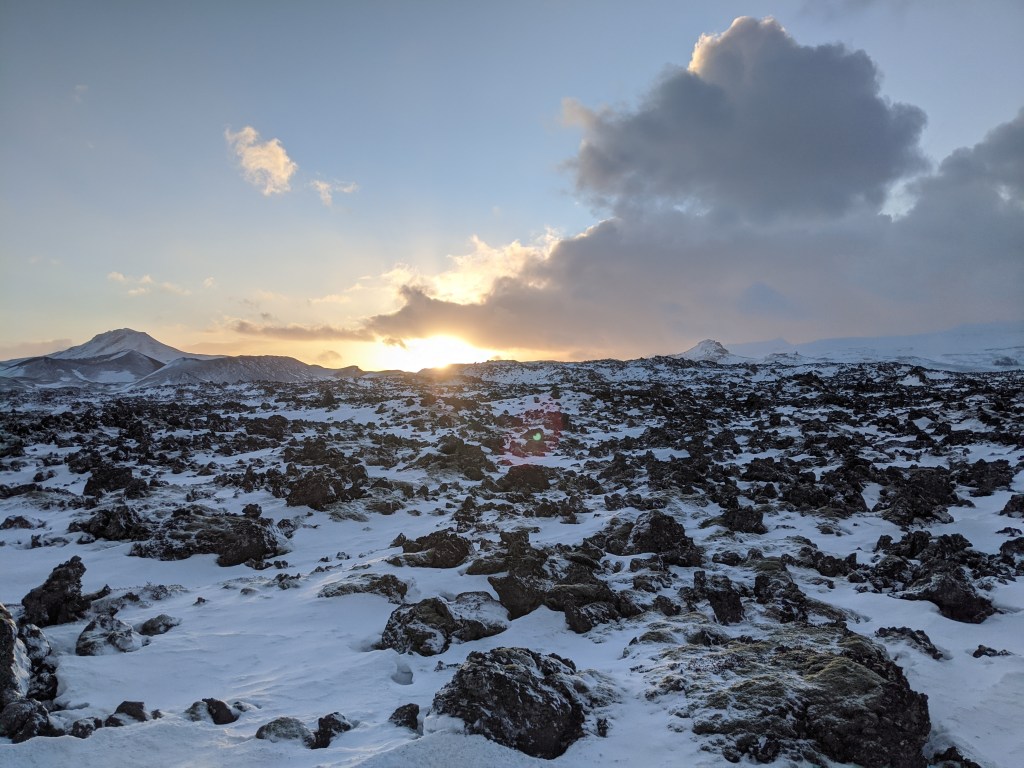
The road conditions had worsened but the sights out the car windows were unreal. We saw volcanic rock scattered over snow and we saw horses, which we always considered a better omen than road-kill or scary birds.

When we reached the end of the nubbin that was Snaefellsnes that day, we had a choice to make- change our plans and head back to Reykjavik, or carry on our route to Thingvellir. The roads weren’t looking in great shape but we had a couple of hours of light left and we decided to go for it. We had had some genuinely scary moments back south towards Reykjavik, the coastal winds combined with the icy roads led to some instability, not to mention the added stress of being tailed by a lorry. But we remained calm and soldiered on. On our drive to our accommodation, it genuinely felt like we could have been driving through clouds. The roads were quiet, the sunset was long and slow and we safely reached our accommodation Heradsskollin Historic Guesthouse, after another petrol top-up.

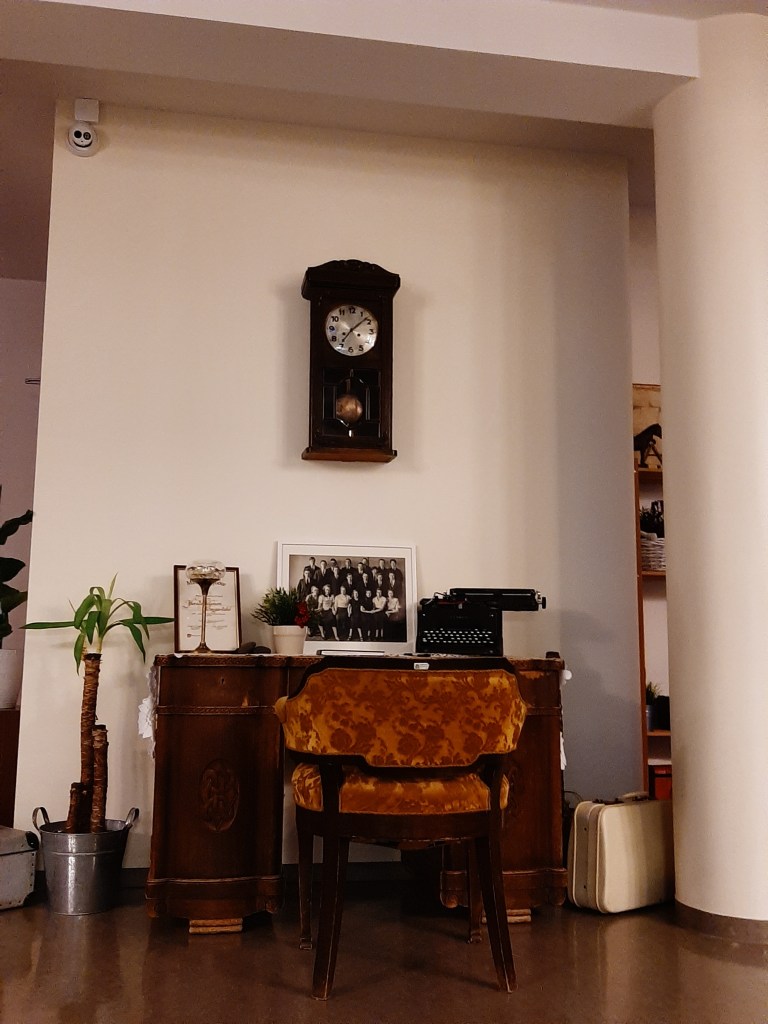
We were ready for this accommodation to wrap its arms round us and give us a nice peaceful night’s sleep and it certainly did. In the middle of a national park, it was one of the most interesting buildings we’ve ever stayed in, with a fascinating history. Almost a little bit eerie because it was so quiet, and so symmetrical and because it was sat between a lake and a volcano. Think somewhere between The Shining and The Grand Budapest Hotel. This building used to be a boarding school, it was one of the first places a parliamentary-style gathering occurred in Iceland. Not to mention, on the very typewriter pictured below, Halldor Laxness (winner of the Nobel Prize for literature for Independent People) penned many works during summers here as a boy and it was one of his favourite places to be and you could see why.

After a wander by the lake and an optimistic look at the clear sky to check for Northern Lights, and watching a few locals take a dip in a (presumably heated) pool, we hit the hay for the night.

DAY 4:
The Golden Circle.

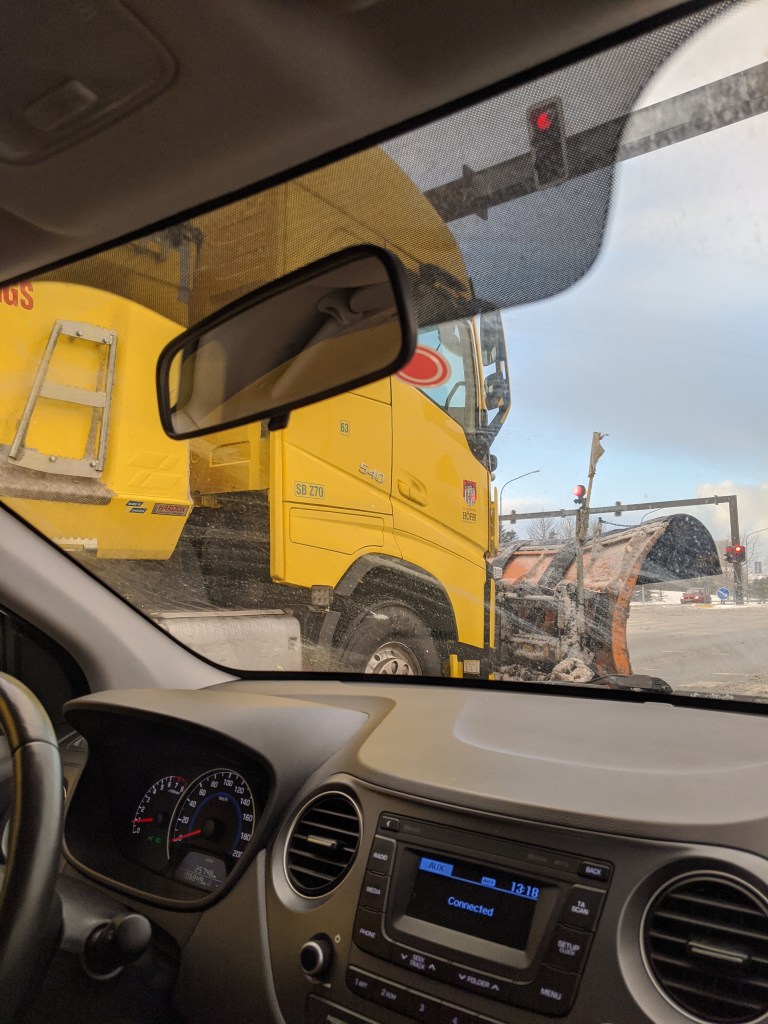
Today was set to be a big one. Our own unguided Golden Circle tour. We were already pretty close to everything at our accommodation, but the weather was perhaps the most worst yet- which makes a lot of sense considering we were in a mountainous National Park in Iceland in late January. We decided to soldier on (slowly). The main road block – pardon the pun – today, was the snow and sludge that hadn’t been cleared by the legends that were the road-clearance trucks. We realised where we should position the car on the road for maximum sludge-avoidance and we were pretty set from there on out.

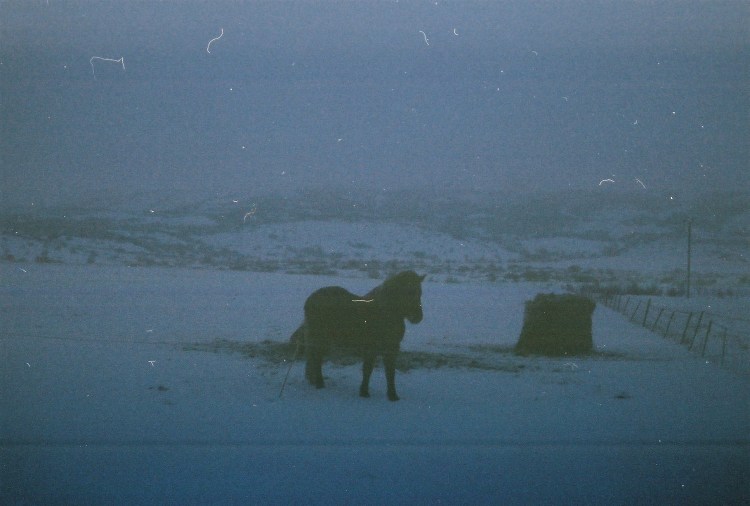
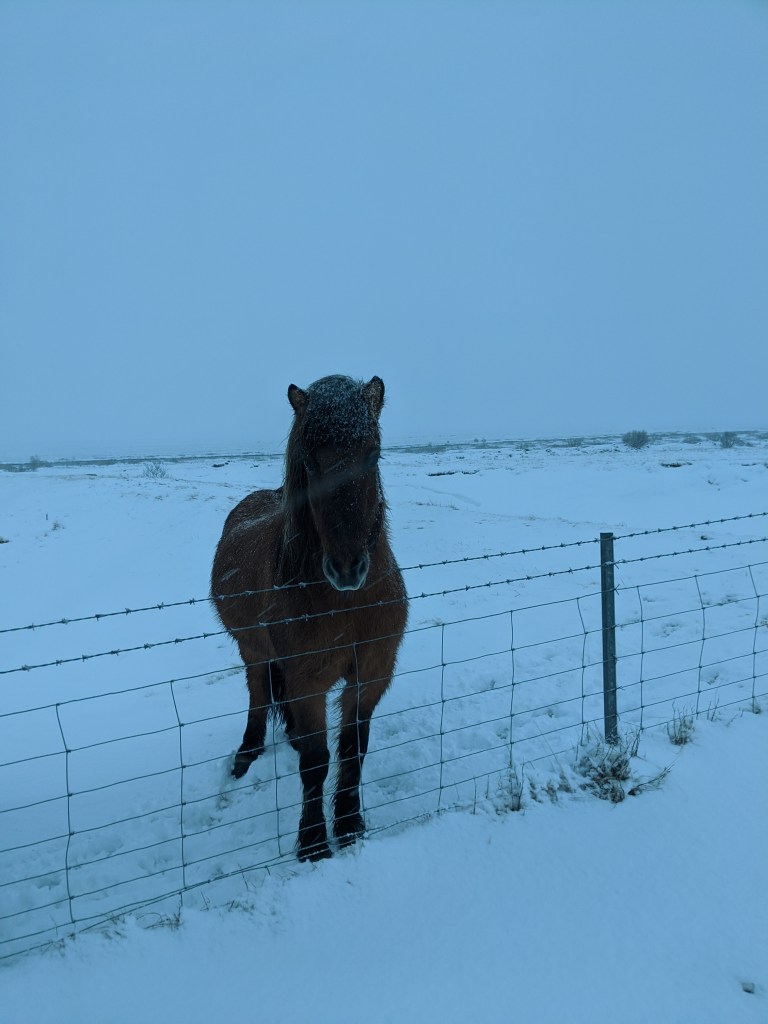
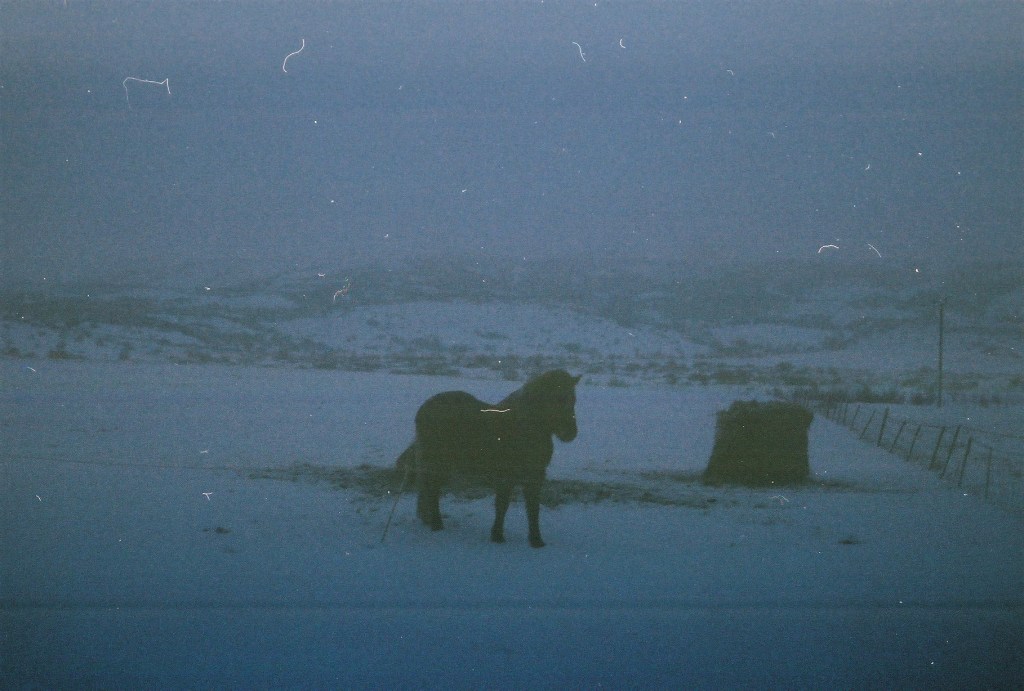
Our first stop should have been the Geysir but turned out to be some incredible horses that were right up to the fence. We went to meet them, pulling off the road into some pretty thick snow that we weren’t too sure we could reverse back out of. Honestly, the other cars on the road towered over ours- huge wheels etc. and whenever we saw one of similar stature to our own it felt oddly reassuring.

Friendly horse.

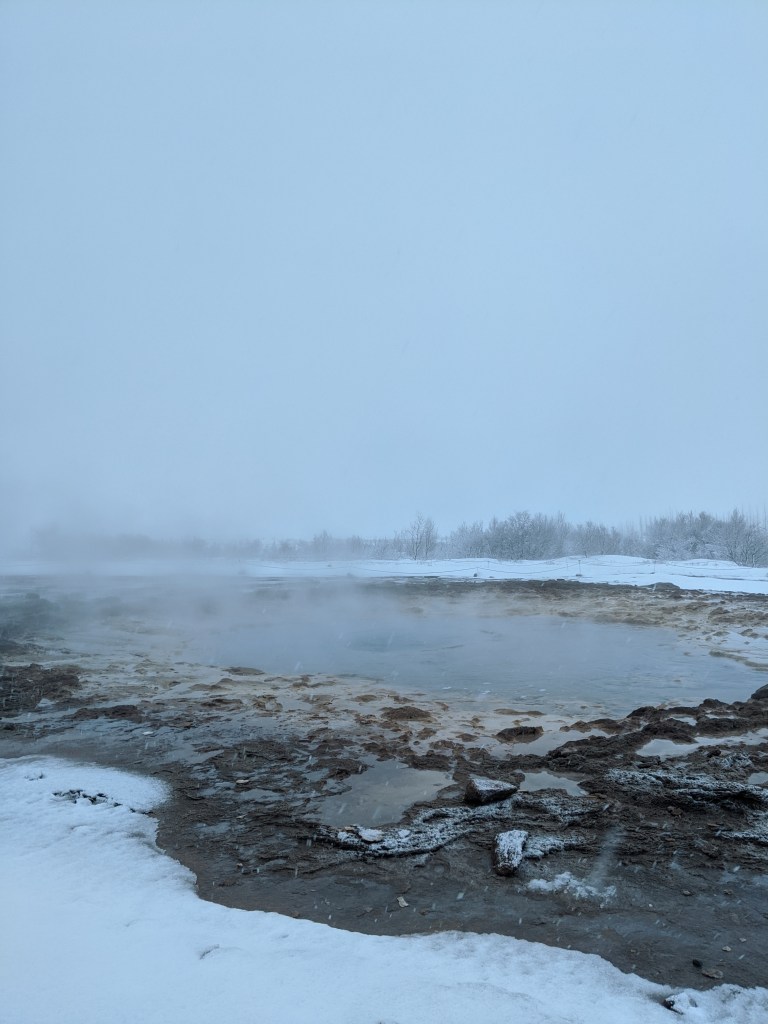
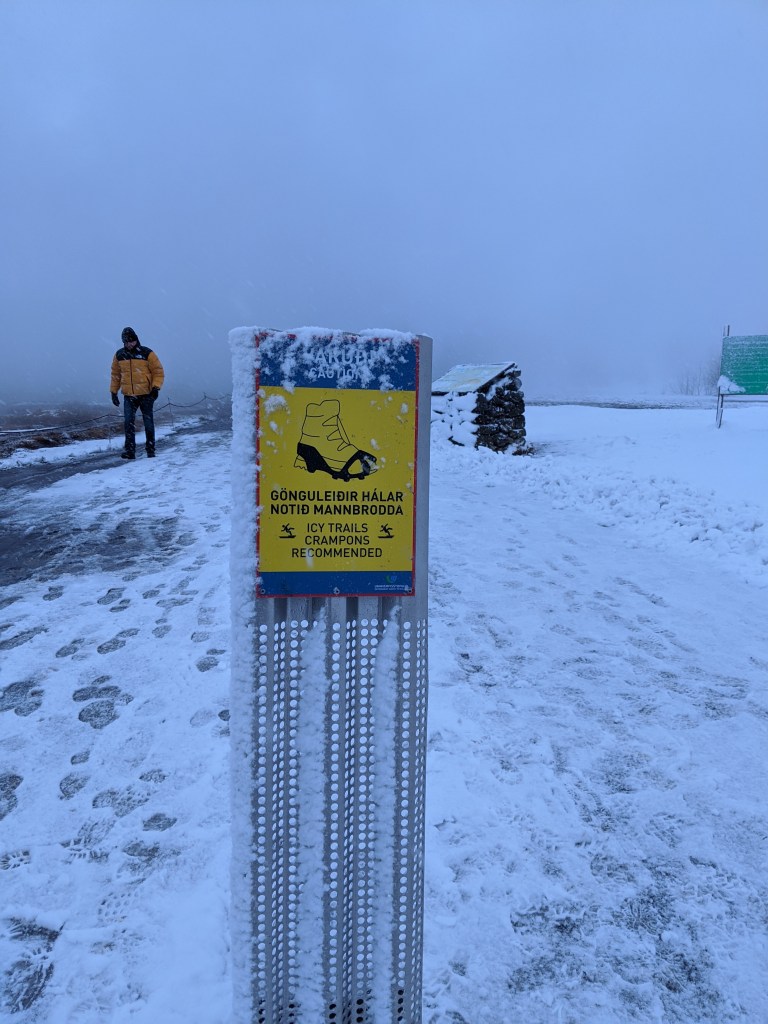
We managed to get out of the spot we’d got ourselves into and headed to the Geysir, which was incredible. We watched it ‘erupt’ and wandered around reading all about the science behind it. We threw snowballs into the hot pools and watched them melt and some of the pools were incredibly transparent. We were wearing the wrong shoes, but we survived anyway and yes, the whole place did smell like eggs/Sulfur.

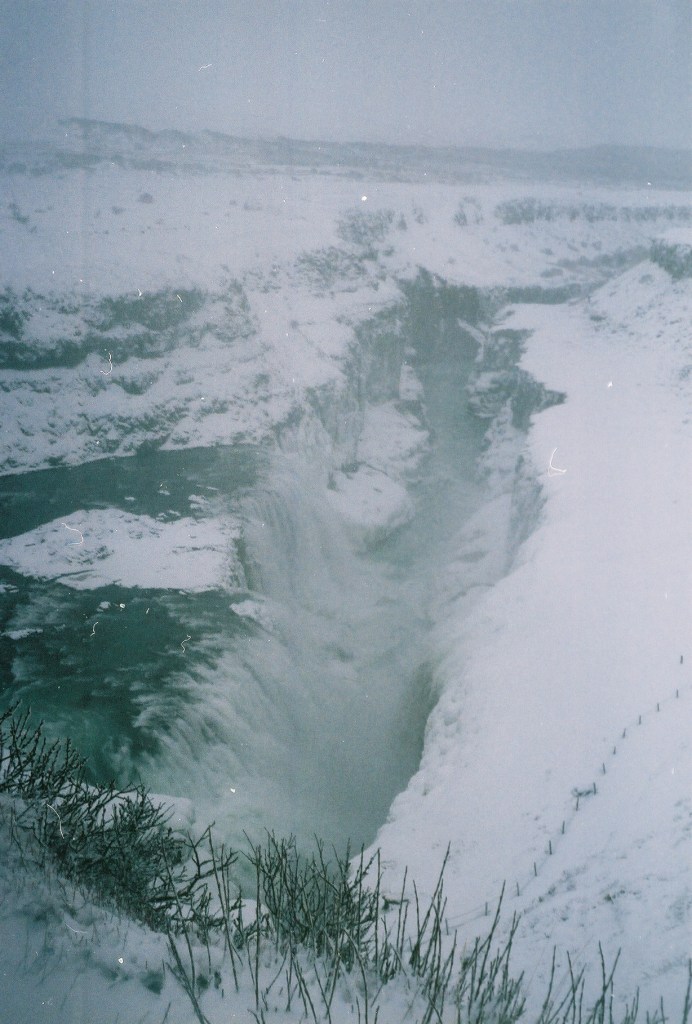
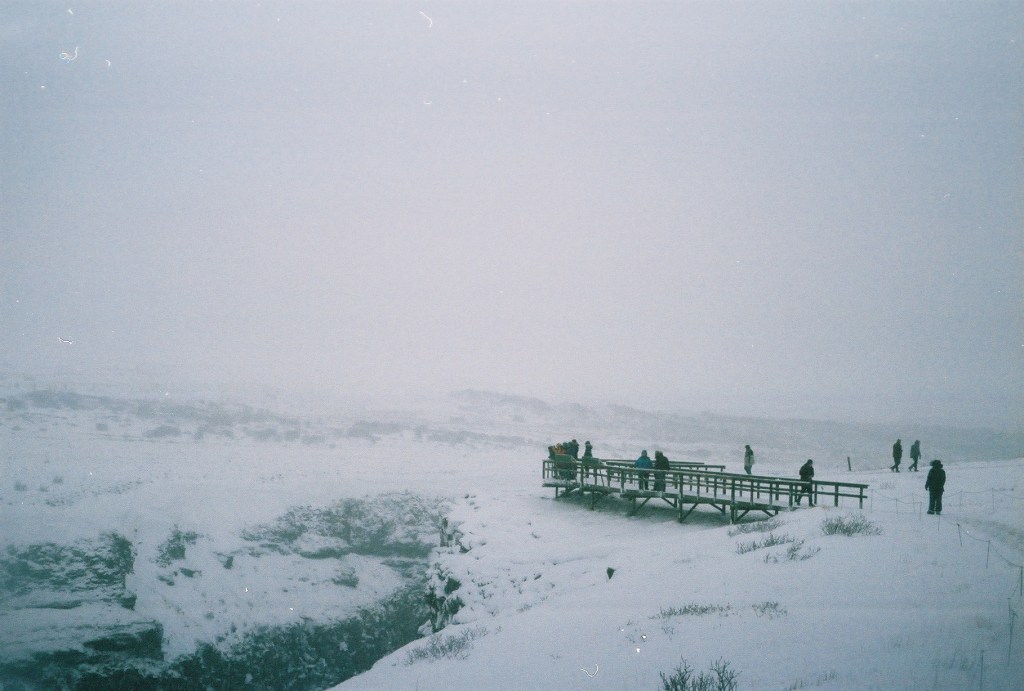
Next up on the whistle-stop tour was Gulfoss, which turned out to be way bolder and more dramatic than either of us could have imagined. When the perspective was taken away, you could imagine it as a crack in a sheet of ice. The stories written on the paths were inspiring- so many people had fought to keep the waterfall safe, developing deep connections with its natural beauty and wonder – in 1907, when propositioned by an Englishman who wanted to buy the waterfall to use for electricity generation, a local farmer Tomas famously responded “I won’t sell my friend“. The wonder of the grey water against the white of the snow was such a contrast. It is worth a visit for sure- the gully that the water travels down is enormous and strangely…sideways.

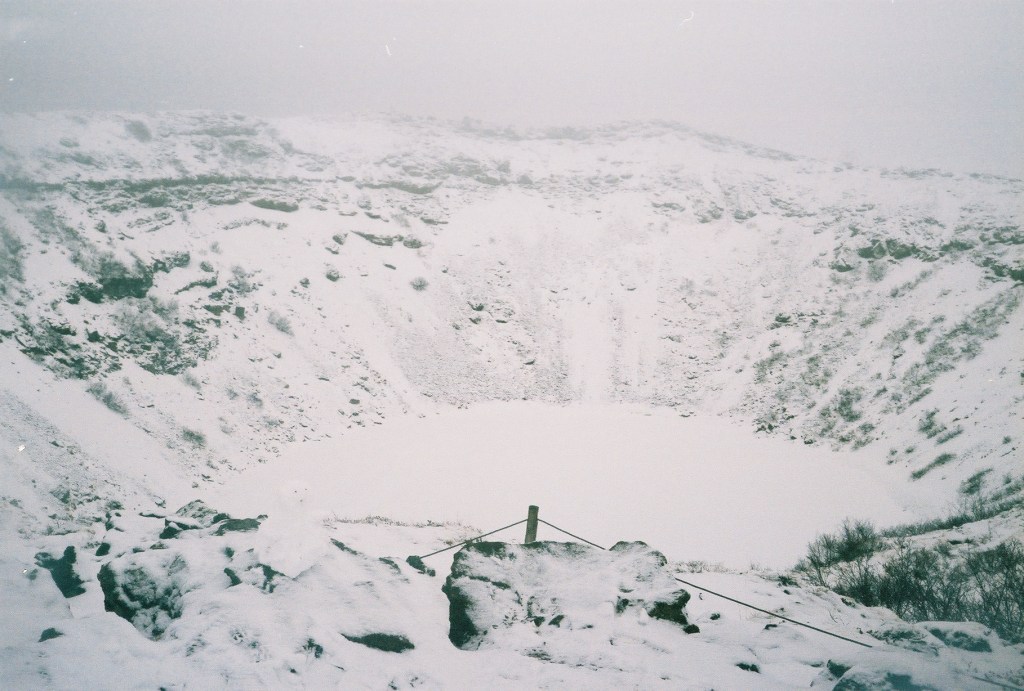
Finally, we visited Kerid Crater– we were originally going to go to Fludir but we decided to avoid this road because the app had it colour coded as ‘blue’ at the point, which meant slippery. And we’d had quite enough of blue roads if they could be avoided. Instead we to Selfoss, via Kerid Crater. In pictures, we’d seen a blue pool in the crater, but of course, on this day it was a snow-covered sheet of ice, quite magnificent to behold nonetheless.

We had to pay to get in to see Kerid, one of the few places on the whole trip- but it was no more than a couple of pounds, being around 650 Icelandic Krona (at the time). And it was worth paying to see.

Following this Golden Circle adventure, we hit the road straight to Selfoss, which was one of the bigger towns in West Iceland and once there we hit up a big Bonus to stock up on Icelandic goods. We didn’t hang around in Selfoss too long as we still had a ton to do! And we knew we’d be back soon on our route.

Next up was a few waterfalls as we reached the South coast road. As we came out of the National Park, the roads really cleared up which allowed us to relax a little more. The wind wasn’t so strong today so driving a long a coast road didn’t feel so scary. We also gained speed and thus gained back some lost time. Our goal was Vik– the furthest East we would end up going. We had initially intended to get much further East, towards Hof but weather conditions on the day we would have had to venture back West meant we changed our plans and cut out about 8 hours of driving in the process. But if you can make it that far East, do a bit of research into the Diamond Beach before you do!

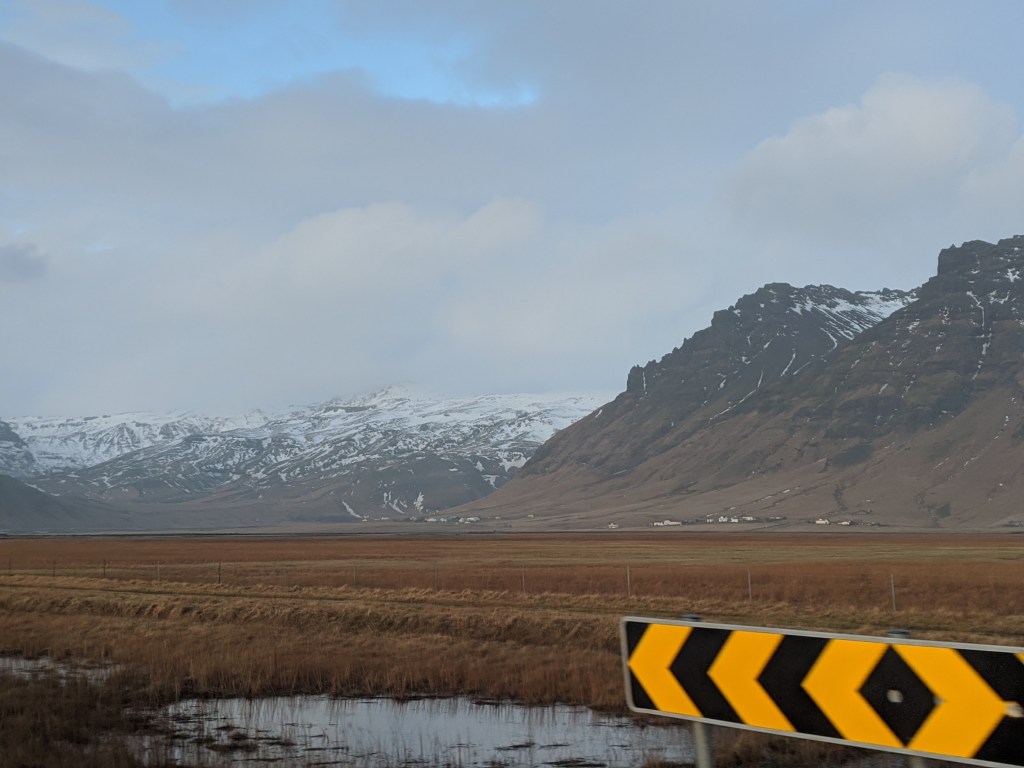
The weather hugely improved as the afternoon went on and the long roads were quite magical- the scenery seemed different on the South coast because the ever changing mountains and tiny houses beside were on the left as we drove, with the coastline flat and expansive constantly on our right side.

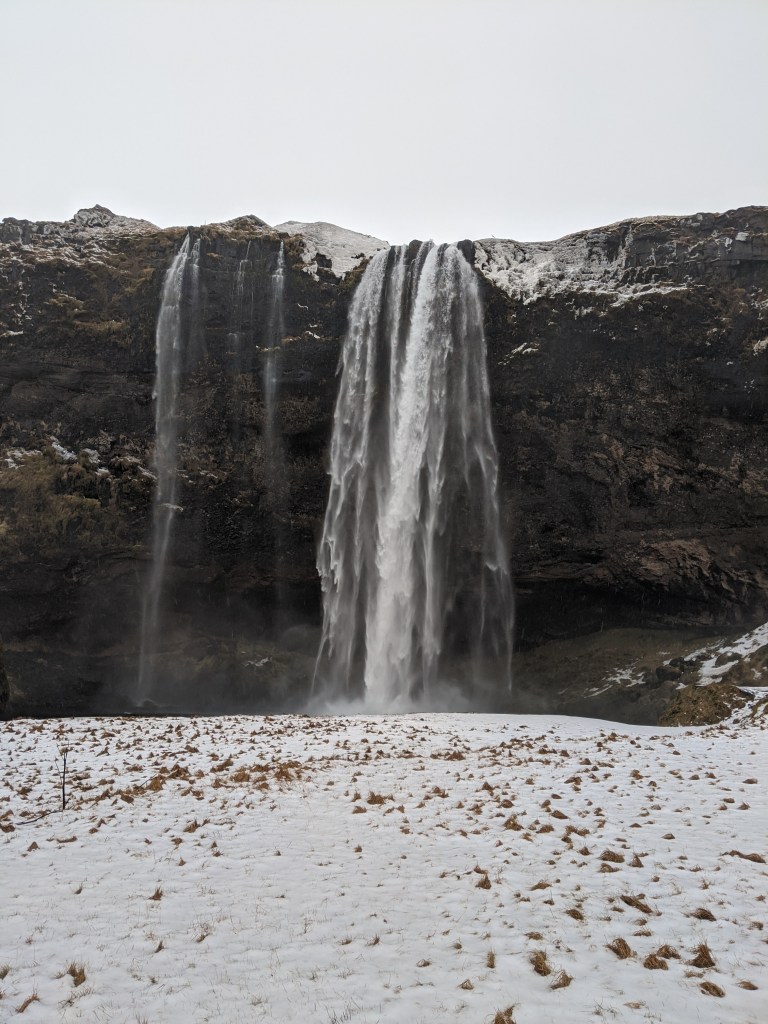
We pulled off first at Seljalandsfoss; we’d seen it approaching as we drove up the road. We pulled off and conscious of time, didn’t pay for a parking ticket rather just briskly approached the waterfall, got sprayed, filled with wonder and ran back off to the road- deciding we’d come back past and explore a little further tomorrow.

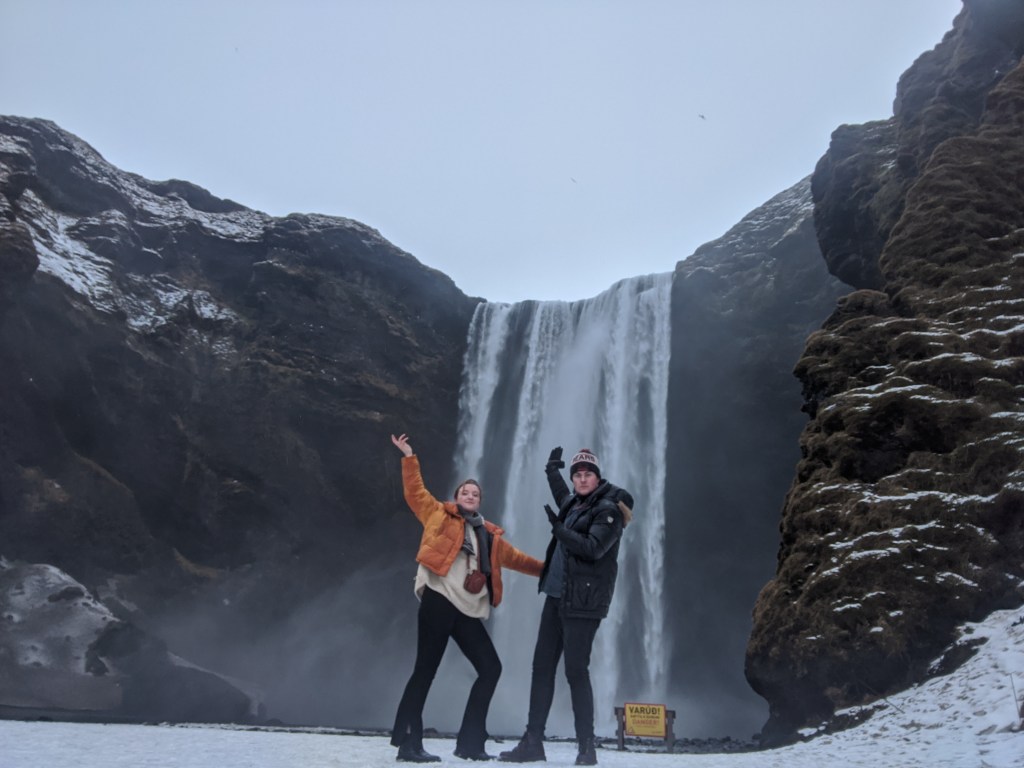
The next waterfall on the journey was taller than the last- Skogafoss. Black sand at the base, we approached it and got covered in spray. It was magnificent.

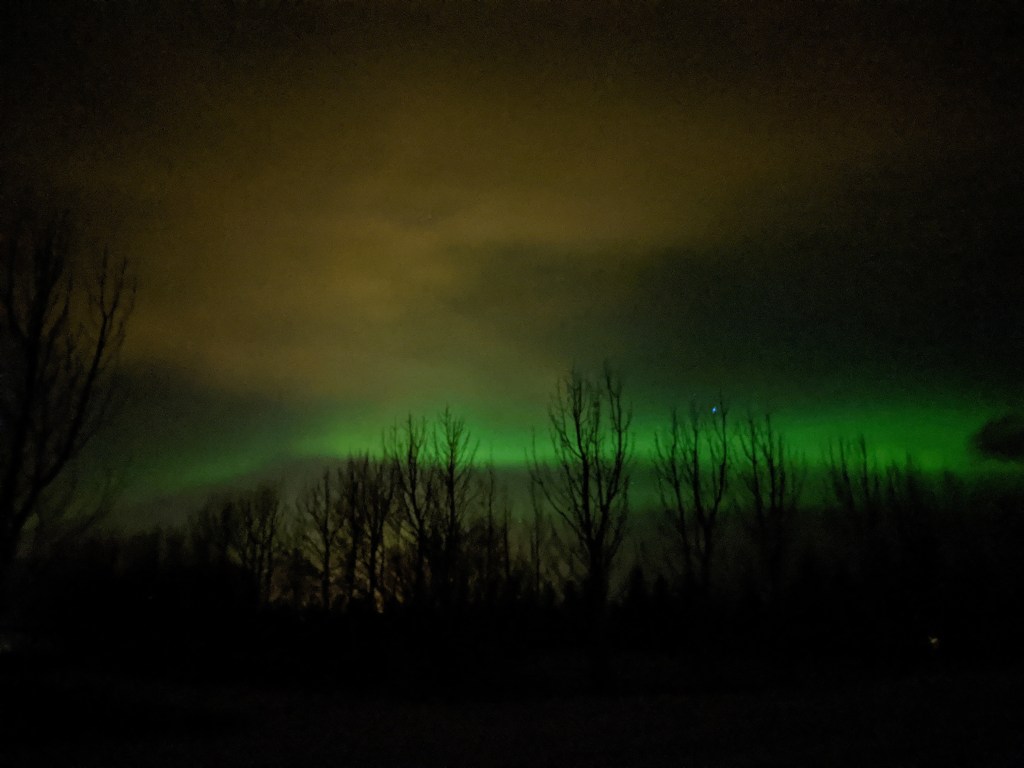
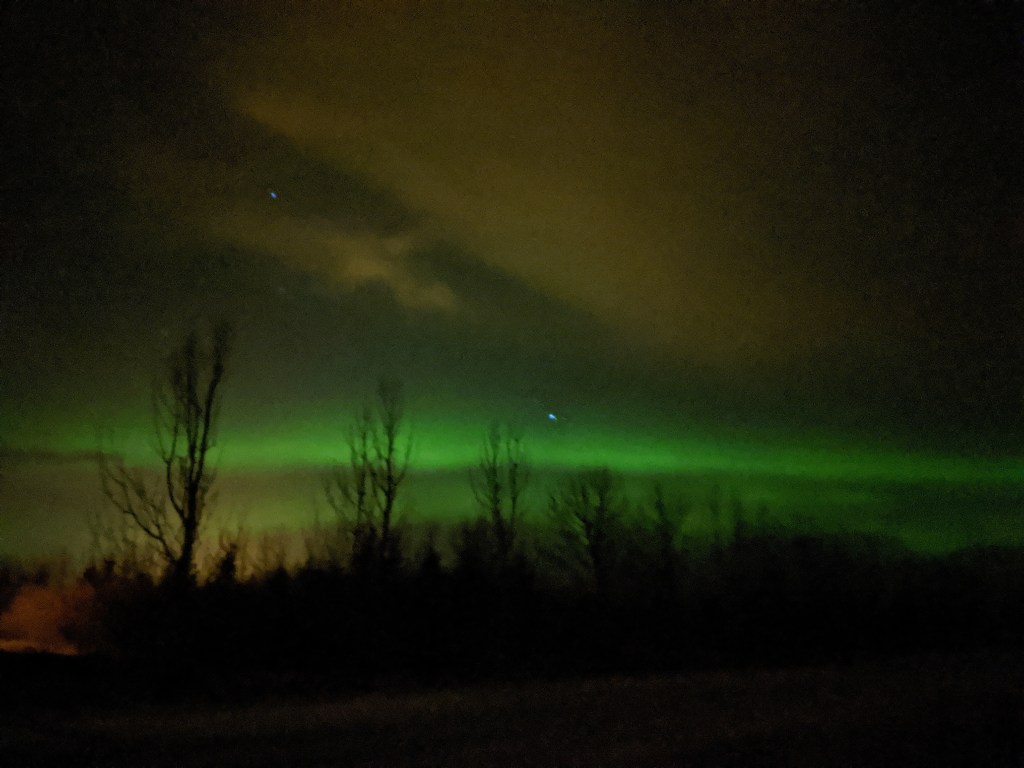
It was getting pretty dark and late so we decided to head for the new home for the night, the nicest hostel we’ve ever stayed at- The Barn, Vik. It was very close to Reynisdrangar Beach and Cliffs, and had a distant sea view. We cooked up some noodles in the kitchen, wandered outside in another failed attempt to see the Northern Lights following some drinks and games of chess.

The Barn, Vik.

DAY 5:
Cold water and the Northern Lights.

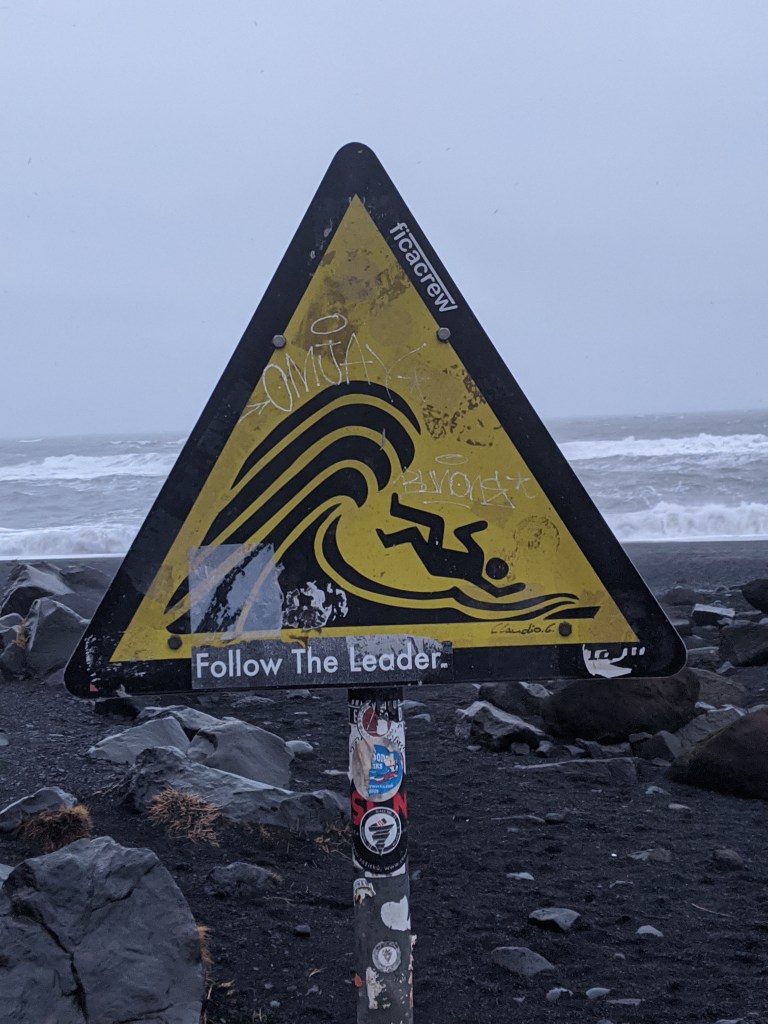
First thing it was pretty foggy and we’d planned to walk to the cliffs, but given the circumstances and time constraints we drove instead. We’d had a chilled morning since check-out wasn’t until 11 am. There was a sign as we approached Reynisdrangar (the set of many popular TV shows and movies including Game of Thrones and Rogue One) warning us of ‘sneaker waves’ that, as the name suggests, you wouldn’t see coming- pretty dangerous.

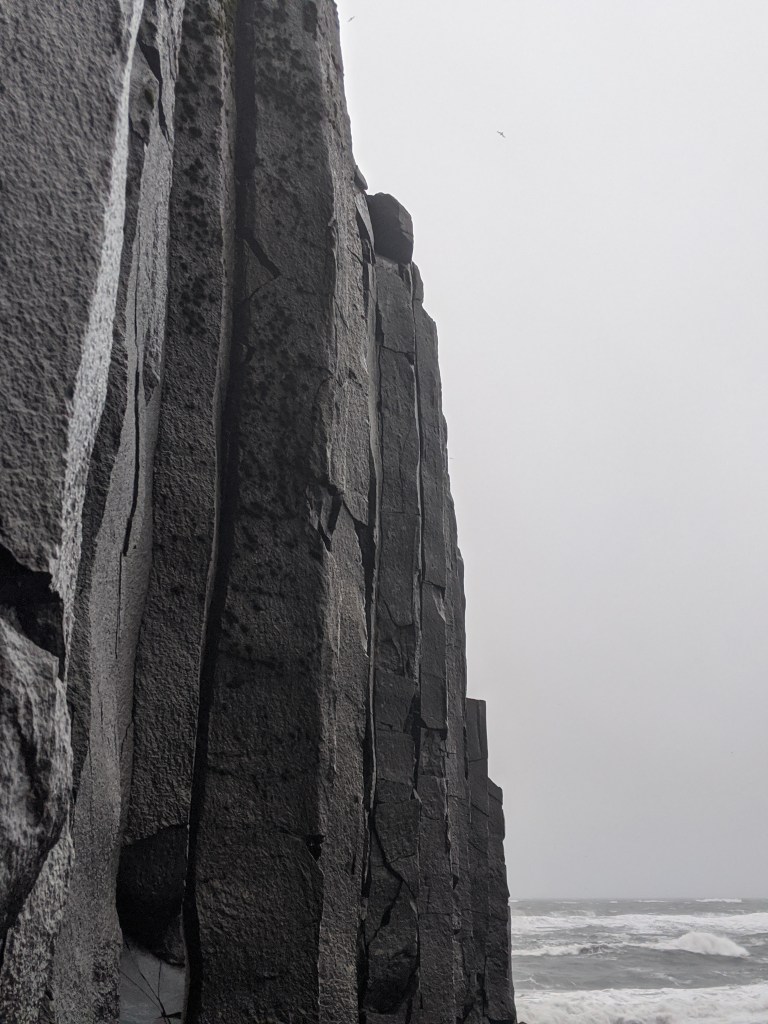
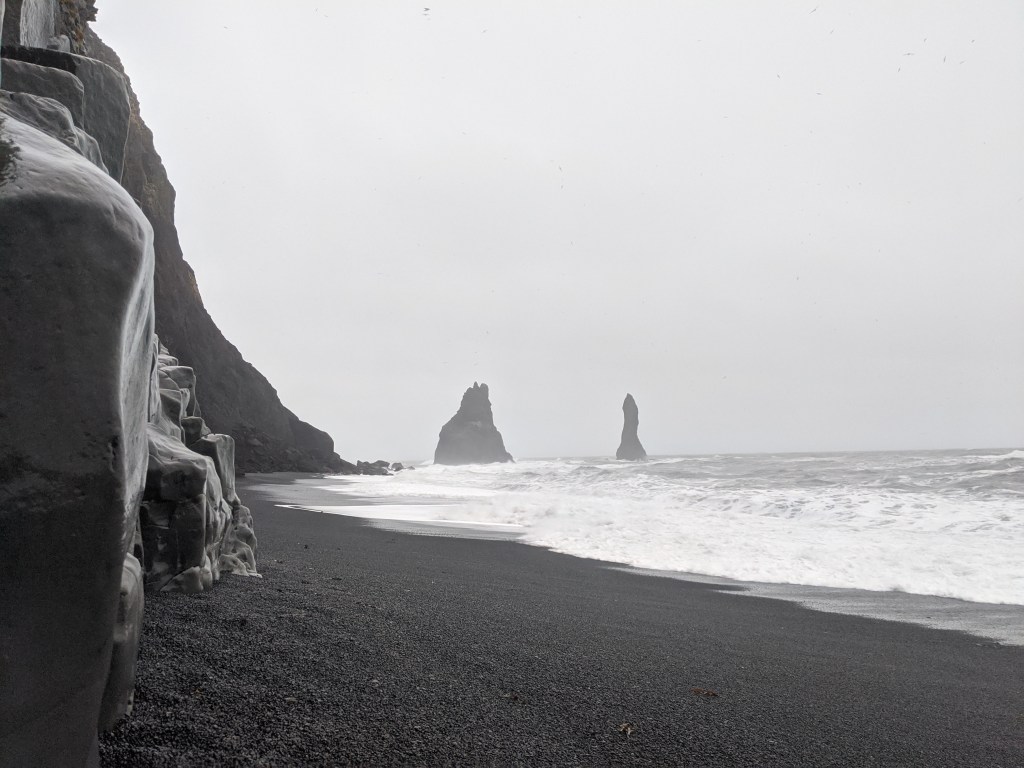
The beach was black sand and the cliff was formed of Basalt columns, which we climbed a little. Birds surrounded the cliff top and we checked to make sure they weren’t puffins at this time of year: they weren’t. We went inside the cave which was huge and pretty open and we saw more trolls frozen out to sea.

Taking a pebble and a few photos, we moved on to our next stop: Vik; which was a small town with a few shops and a petrol station. The wind was picking up and our concerns for things getting worse as the day progressed meant we didn’t hang about for too long, though long enough to stock up on supplies and get a nice pastry. We also had a look at souvenirs, including Icelandic jumpers and some pretty odd Yule Lad merchandise.

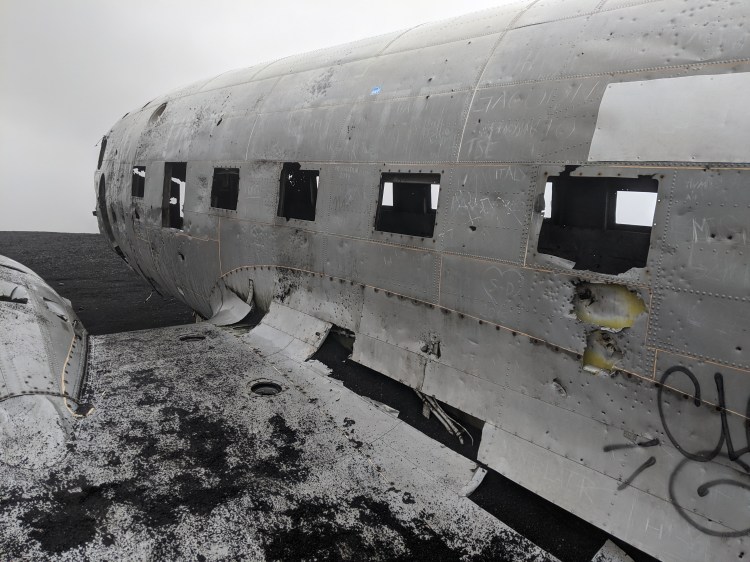
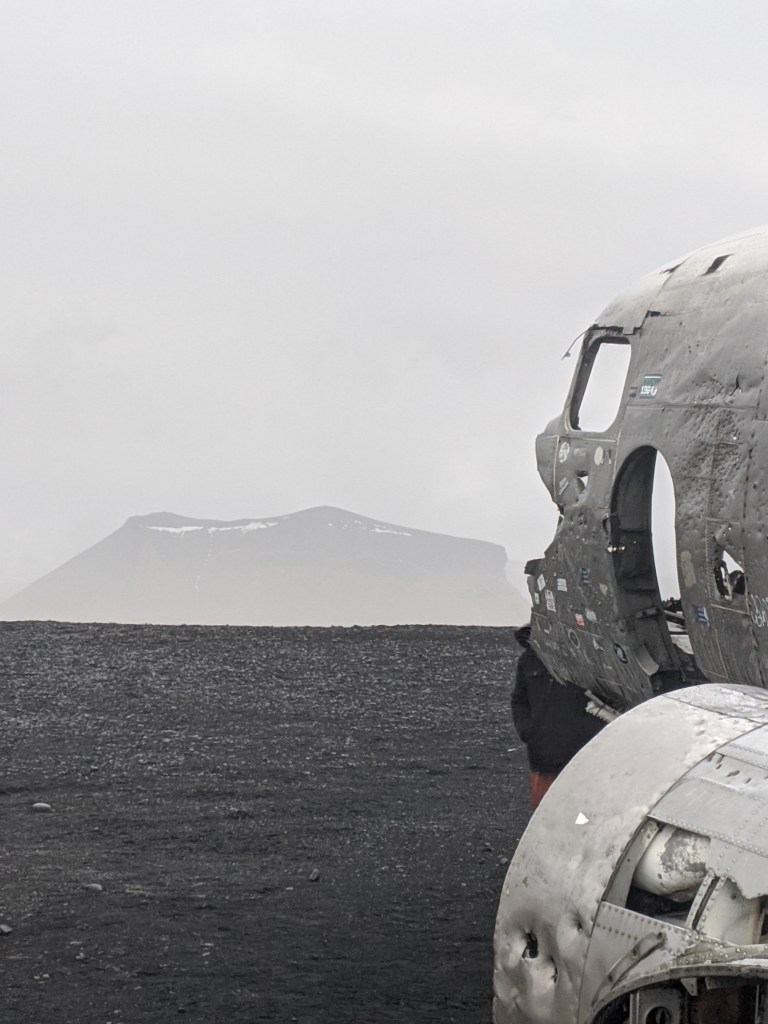
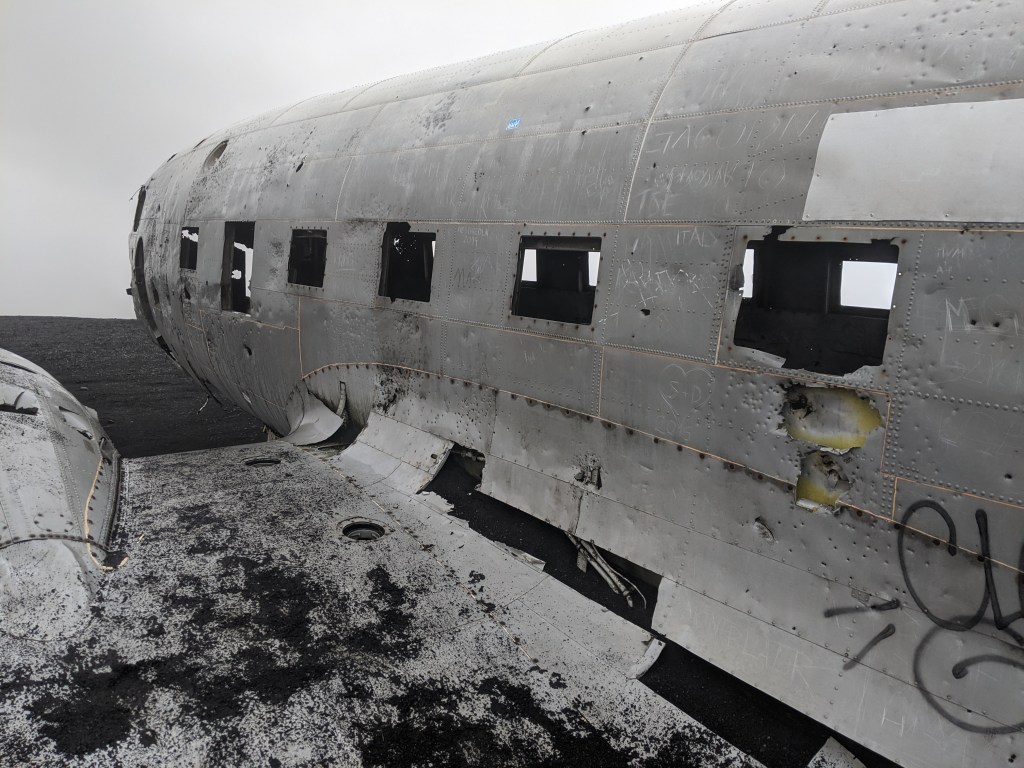
Solheimasandur Plane Wreck was the next stop on our way back west. We parked up and were greeted by a sign and some exhausted looking tourists walking our way, both stating this could take close to two hours to walk. The weather was quite bad and just that week a couple of tourists had tragically died of hypothermia on the beach by the wreck, so we aired on the side of caution. It was quicker, safer and we certainly paid for it. It was around £16.00 each for the return journey up the beach. The truck we got to go in was certainly novel and had huge wheels which we weren’t used to in our little car, but it really was pretty expensive. Thankfully, it was worth the cost.

The plane wreck was amazing in the setting- there were wires dangling from the cockpit, the wings were all but gone and there were bullet-shaped holes in the side of the plane which we later learned were caused by rocks in the wind rather than bullets. The black sand surroundings and the sea, so rough because the next piece of land south was Antarctica, made this place look like the surface of Mars or something. The sun came out whilst we were there. It was unique because you could go inside and generally explore. For Wicke, the man who crash landed, it must have been a cold walk to shore.

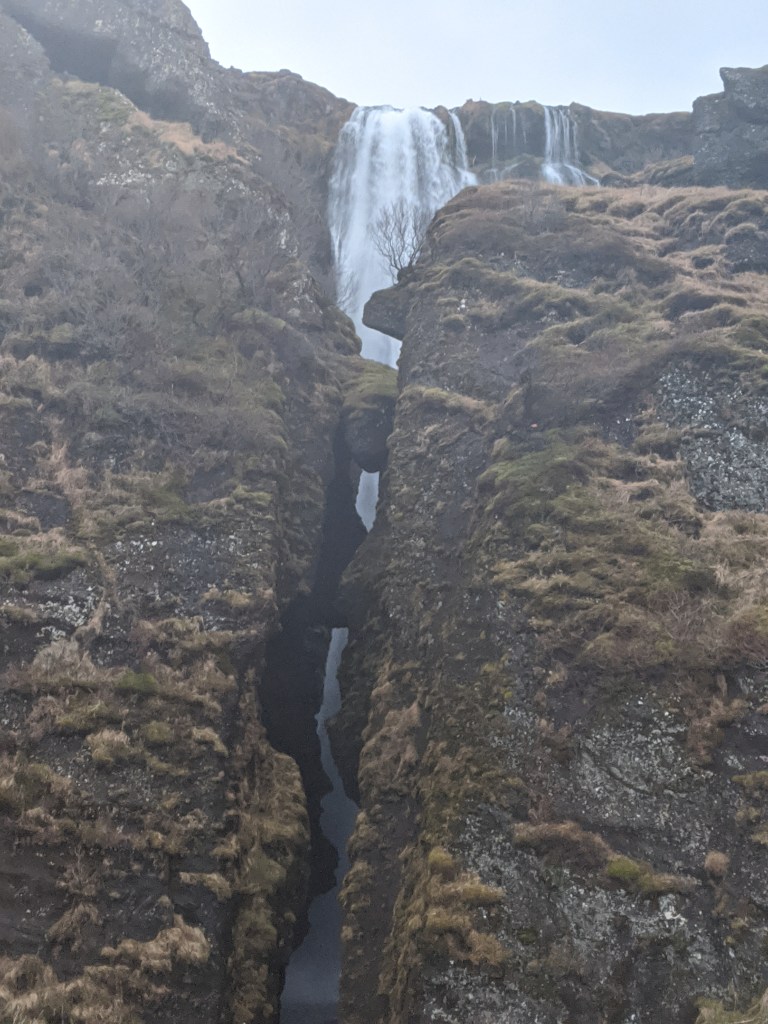
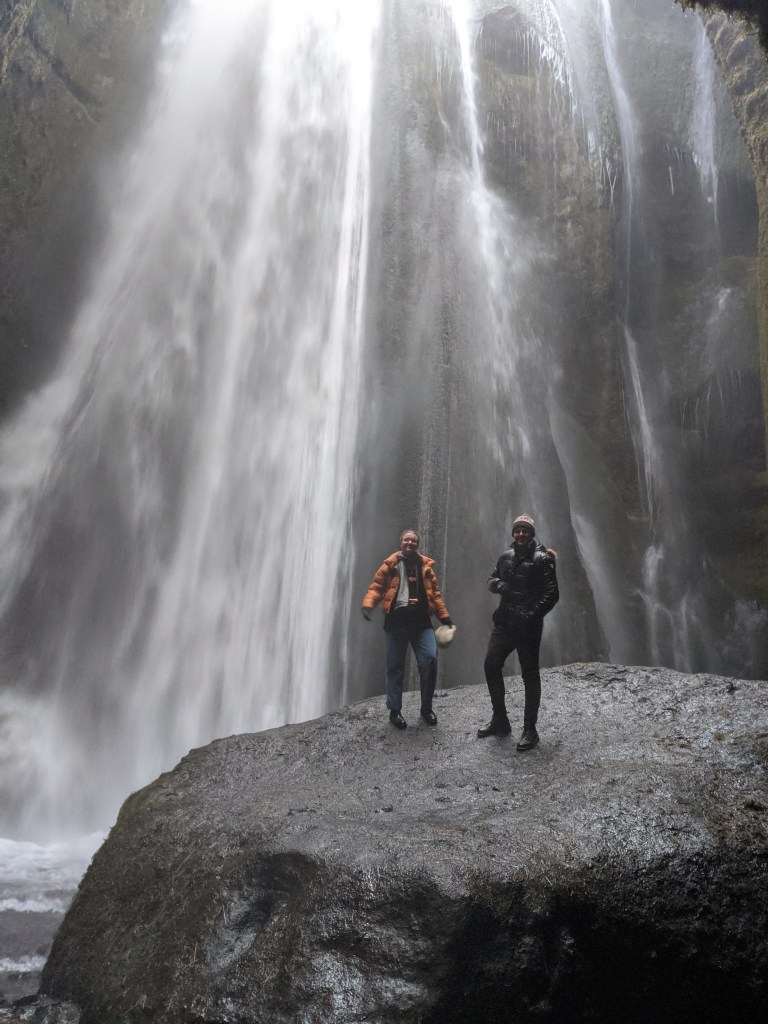
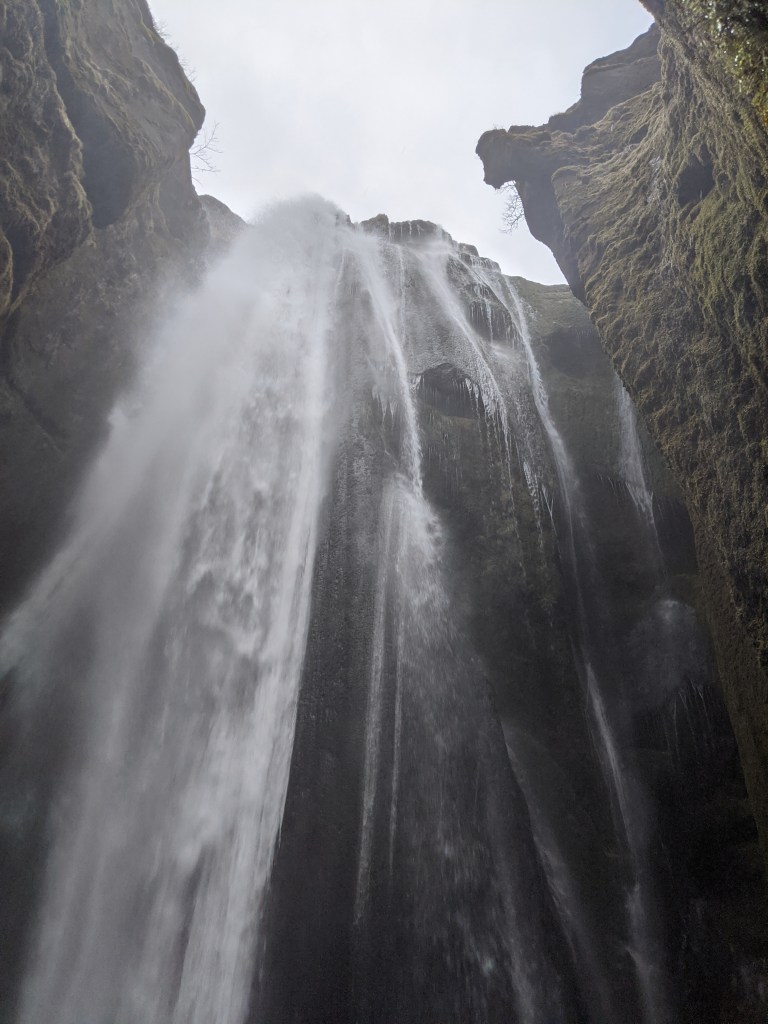
Following this, we headed back to Seljalandsfoss, having only seen very little of it the day before. We paid to park this time intending to stick around a little linger and did the 1 km walk to Gljufrafoss, the lesser-known sister of the main attraction. You could venture ‘inside’ Gljufrafoss falls. When we arrived, we quickly realised that this would involve getting pretty wet from the waist down. And we were up for that. Why have a car full of changes of clothes if you can’t make use of it?

We waded in- it was freezing of course- but it felt like people had tried to put rocks in convenient places under the water as makeshift stepping stones. Regardless, the spray from the falls soaked you. It was exhilarating- the booming sound the water made, the coldness of the spray and the water in your shoes and the fear of slipping over. We made it all the way to the little island beneath the falls and looked up. We had persuaded a girl we didn’t know to join us and a boy came too- he’d taken off his shoes and seemed to regret it. If you have in-car heaters, maybe leave the shoes on and dry them off later if you’re up for that! The 1 km walk back felt distinctly colder. We dried off and changed in the disabled loo, and then continued onto Selfoss.

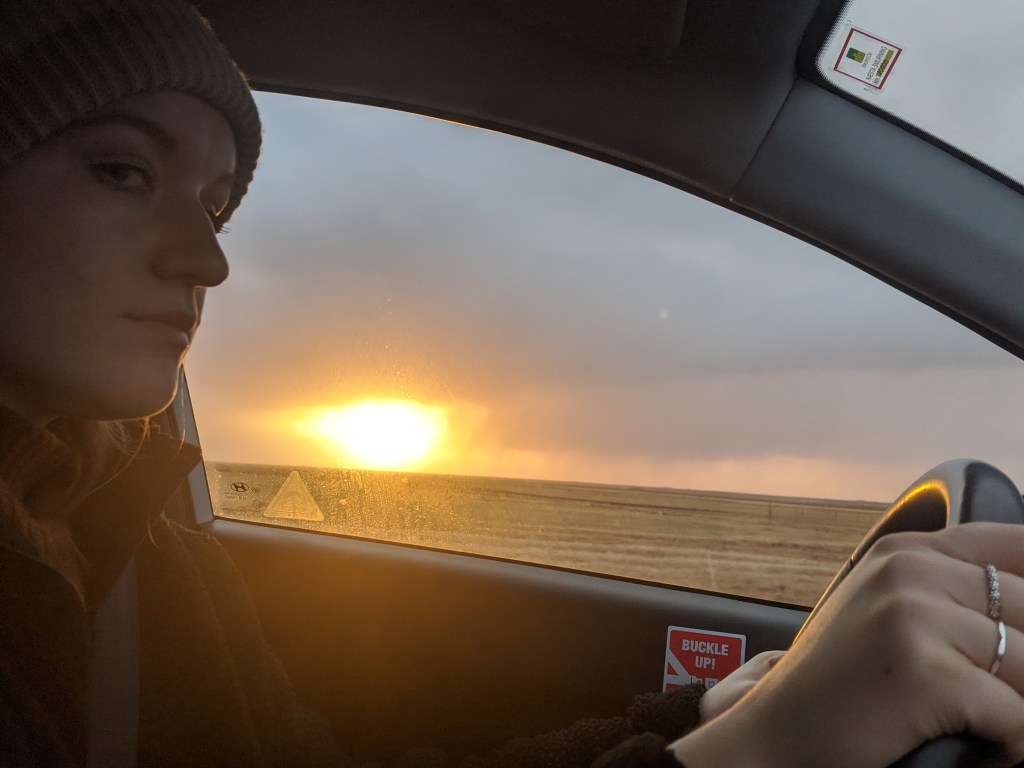
The sunset was stunning and we felt like we’d been in Iceland for a little lifetime already. But for a couple of random blizzards when we went beneath a storm cloud for a few minutes every so often, the drive was really pleasant. The warmer temperature meant all the snow had melted, meaning that although we were on the same road as the day before, it could have been a completely different place altogether. It was lovely to see greens and browns rather than whites and blacks. The waterfalls on the cliffs in the distance blew in the breeze too.

We arrived in Selfoss HI Hostel, which, to our delight had a hot tub in the back yard. We visited our favourite, Bonus, once again and got some nice food to cook. Then, having checked the weather for the coming days and the cloud cover for this evening, realised tonight would be our last chance (if we had any at all) to see the Northern Lights given the various forecasts. So at 7 pm, following all the apps we had- cloud cover, weather and KP index, we headed to somewhere distinctly less light polluted- the car park of a closed restaurant on the very south coast just beside Eyrarbakki, which we drove through. The weather on our way south was crazy as always but in the car park, the clouds cleared as predicted and we saw the Milky Way which was unreal. We stayed out there for about an hour looking up but as the clouds came back we decided we deserved some time in the hot tub.

In the hot tub, we were on the lookout to a degree but had all but given up on seeing the lights. At around 9 pm though, we spotted a speck of green in the distance. At that moment it was all systems go. We were super lucky to have been outside at that time but couldn’t have been less prepared. We ran barefoot through the snow in the garden, threw on anything we could and ran to the car frantically. From the car we knew we were right and the green seemed slightly more intense now. We were elated and the roads were snowy, so in the excitement we had to remain sensible and drive carefully towards the lights and out of town, where light pollution was less. We ended up pulling off on a country road, getting out, hair still wet, and running down it. We could see Orion, the Plough and the ethereal, other-worldly display above; the alien dark green spanned the width of our vision behind and above trees. It was incredible to think that nothing but nature created this and it felt, where we were, like we were the only ones looking. We laughed and celebrated and took photographs and really understood why people believe in something beyond humans and Earth in Iceland. Truly, it felt like a weight-off to have seen them, as much as we feigned nonchalance in the days before. It was pure luck and it was perfect.

The Northern lights, seen just outside Selfoss!

For more advice on chasing the Northern Lights, click here!

DAY 6:
In hot water.

Today the weather was the worst yet- beyond ‘soldiering on’ kind of bad. We tried at first to bide our time by chilling around Selfoss but in the 60 km winds and snow that proved difficult. We got a hot dog from the popular Pysuvagninn. We debated staying another night here, setting off later and waiting. But the daylight was never on our side and we eventually decided to set off. We had the Blue Lagoon Spa booked for that night in Keflavik, on the west coast and honestly we just wanted to get back into the city and not have to drive any other days! There had been weather warnings and the roads were all blue coded (slippy) or white (up to 10 cm of snow). We set off. You basically couldn’t see the road from the sky. We had the decision to do a longer road with potentially better conditions but more wind (coastal) or a shorter main road that was more likely to be clear and would get us there in less distance and time. The road safety app doesn’t update quick enough for the weather changing and there was always the possibility things could get worse. On the shorter main road, we saw a plough- we thought we’d follow it.

We headed along the road slowly and we went up and up Route 1, into thick horizontal blowing snow. Char was using the rumble strips of the road to stay on the road because you genuinely couldn’t really see. Off to the side could have been a drop, a cloud, a mountain. The co-pilot navigated beautifully and kept everything calm. Keeping calm was always the key. After an hour solid of treachery, we went down the other side and onto the snowy motorway, which in comparison felt so easy to drive. We were elated when we arrived safely back at Bus Hostel, and decided we’d pay the £34 each return to the Blue Lagoon on the coach (eek), just so our lives were in someone else’s hands for a change.

We walked into the city briefly and saw Rainbow Road (celebrating Pride!) and the Cathedral but we had little time as we had to get ready for the Lagoon.

The Blue Lagoon was amazing. We paid the discounted £43.50 each – it was discounted because of the time of day (it was dark) and maybe the time of year. In the dark, the blue element was missing somewhat. We were given face packs on entry, the whole place felt pretty luxurious. The facilities were lovely (prepare to shower naked, communal unless you’re sneaky about it). The treatments were undoubtedly first class but something we simply couldn’t afford. A drink at the bar was included in our ticket and there was a drink maximum for each guest, which saves anyone getting too lairy.

The water was really hot close to the pumps that went hundred of metres into the Earth, extracting the hot water direct- so it was all natural, just about. We hadn’t really considered this somehow, but the weather outside was just as bad as it had been outside the Lagoon thus if you stood up, you would indeed be whipped by hail, snow, rain- the works. And in parts there really were waves. We had great fun though, we saw lots of Brits complaining about the weather which made us feel at home, but the place was truly romantic and special. The face masks were supposed to stay on for 10 minutes, but with the wind how it was, keeping your face wet and out of the water kind of gave you brain freeze, so we washed it off fairly promptly.

We visited the sauna, steam room, waterfall. We agreed after that there were moments there in the pitch black, when you’d venture round a corner in a blizzard, being whipped in the face by hail, come to a dead-end, the water went a bit cold because you were away from the pipes and a guard would suddenly shine a flashlight in your face from afar to check there was no ‘funny business’ going on (presumably), we got a certain… Azkaban vibe. But it was truly lovely nonetheless. Three hours was more than enough time to soak it all up. Honestly, maybe don’t put your head under the water- Char’s hair has never been so matted as the morning after! Mixed feelings but all good, if that makes sense.

DAY 7:
Views above and views below.

This morning was a very early rise. From hot water to cold with dive.is, rated the fourth best activity in the world on TripAdvisor 2019: snorkelling… between the Mid-Atlantic and Eurasian tectonic plates.

Luckily, the trip was going ahead and the weather was good. We were collected from the lobby by the lovely Stefano, who would be our guide for the whole trip. After picking up our group from various hotels and a quick service station stop for breakfast, we drove right back to the lake we’d stayed by at Thingvellir National Park days earlier- it felt a lifetime ago.

Upon arriving at Silfra, we were given our dry suits which we’d given our measurements for when we booked. We got kitted up and then had a briefing where we were shown where we’d be swimming on a map and what we could expect generally. We were told there was no life (but us!) in the pure glacial water, which had been filtered through volcanic rock for fifty years – but it would be good to drink! We would be in the water for 40 minutes approximately and it would be around 3 degrees Celsius. We were told the view down to the bottom actually went farther than human eyes can physically see.

We were suctioned into our dry suits and all seals were tightened so no water could get in- given our snorkels and our final briefing. Looking underwater the first impression was that the sheer scale of what was below was beyond what we could have imagined, despite the warning. The water was so clear that it almost felt as though it wasn’t there at all and rather than floating on the surface it felt like flying above the mountains and crevasses below. If the water disappeared you’d fall a really long way. The fact that you were between two tectonic plates almost felt like just an added bonus. Through the depths and shallows, it was all unreal. Our hands and faces got pretty cold but the dry suit itself was surprisingly successful in keeping us…dry. All around the glacial spring was snow covered. It was just an insane experience that we would recommend to everyone who doesn’t mind getting a little cold. It’s not on the face of it cheap- around £100.00 pp including transfer from Reykjavik– but worth it considering all the gear and the once in a lifetime experience. If you have a diving licence- you can dive, but you need an additional dry-suit licence to do it here! To find out more about this- click here!

When we got out we ate complimentary digestives, walked back to the cars and had a very deep sleep on the drive back to Reykjavik.

A list of things we did and saw in Reykjavik city is bullet pointed below!

For food that night we opted for something cheap and Icelandic- 101 Reykjavik Street Foodthe place was cute, the food was lovely and the service fast, the server himself (although we didn’t get his name) was so charming and had a nice chat with all the guests, even handing out free candy bars for dessert to everyone inside. A truly memorable experience and very reasonably priced.

Following that, at the recommendation of our snorkel instructor, we went to a more local and more authentic feeling spa: Vesturbaejarlaug. Temperatures around forty degrees, a steam room, a sauna- it was busy, full of kids, parents, elderly- it seemed like the real social epicentre of the city. If the locals relax here every night, it made sense as to how they survived the cold winters. At £6.00 pp it was worth it whether you’ve been to the Blue Lagoon or not- but if you can’t afford the full tourist attraction, this place has the same effect for sure!

  • Cathedral viewpoint: (eq. £6.00pp) we went up in the lift for the equivalent price of £6.00 each. The symmetry and colour of the roofs of the city from above were worth the cost alone. You could see the mountains in the distance. too.
  • Hallgrimskirkja: (free) inside the main body of the cathedral was some spectacular and aesthetically pleasing architecture- it was free to get into this area.
  • Sun Voyager sculpture: (free) a slippery floor surrounding it, it was incredible to see a bit of ancient history expressed in such modern artistic fashion and not at all far from the city centre.
  • The shops: (free) from a book shop founded in the 1800’s (where we purchased our own copy of Independent People by Halldor Laxness), to shops dedicated solely to Christmas and of course reams of Icelandic wool shops, there were so many quaint and unique shops to explore all afternoon.
  • Flea market: (free) on Saturday mornings, the Flea Market is open to visitors and is full of second-hand (but still pretty expensive) clothes, but most importantly you have the opportunity to try the famous shark meat Hakarl and fish jerky free of charge. Shark meat is an acquired taste to say the least and fish jerky isn’t necessarily something you’d choose on the menu, but it was an experience worth having- and who knows, you may love it!
  • National Museum of Iceland: (£12 pp – although it’s 50% cheaper for students and free for U18s) this museum was full of Viking history on its ground floor- we read a number of reviews saying it was a confusing layout but we didn’t find it such. There were lots of museums for us to choose from in Reykjavik but this was really interesting. The first floor showed a more general history of Iceland and had some games which we enjoyed playing. Not to mention the Skyr lemon cheesecake we enjoyed at the cafe. It was a bit of a walk from our hostel and of course when we ventured it was an absolute blizzard- but it was worth the trip.
  • Lighthouse: (free) a little drive away but nice to see out to sea.

Reykjavik was such a glorious city. We pondered how it would be to travel Iceland in the summer with its endless days.

SUMMARY:
with cost breakdowns.

We hope you’ve found this a useful guide for a road-trip here and not just off putting! Speaking with others, we’d suggest car (although perhaps a more suitable type) is the best possible way to travel the country- it gives you the freedom and flexibility that we found essential. Also, no planned trip can chase the Northern Lights better than you can if you don’t have much time. Winter was an incredible time of year to visit and it allowed us to experience the country in all its decadent glory. The people were reserved, polite and welcoming – much the opposite to the country they occupied.

In terms of gear, as you’ll see if you read our other blogs, we are the experts in having none of the gear, no idea, but soldiering on regardless. We both wore boots the entire time (Doc Martens/Vagabond) and they lasted fine. We had about 4 layers each, good quality gloves, scarves, hats etc. just your usual very cold English winter day kind of stuff really. The weather can be frightful so really do take a lot of layers and of course a waterproof for the inevitable showers. In summer, the weather is much milder. We don’t really believe in splashing out on any fancy gear but thermals would be nice if you can afford them/already have some for sure!

Now, it must be said, we did it in the car on the cheap successfully BUT whether we’d recommend it is another question. There were times of genuine fear in that little car, so really think about how much stress you want on holiday and how confident you are driving in unnerving conditions! If you can afford to hire a better car in the winter, do and if you can’t maybe wait until you’ve saved a bit more money to travel there, if you aren’t a comfortable being uncomfortable!

Price summary (approx): accommodation total £120 pp 7 nights; petrol total £60 pp; car rental £100 pp inc. insurance from Iceland Car Rental; flights £45 pp; excursions and activities £230 pp approx. (with the activities listed); food (we ate a lot of snacks from home) £100 pp –> approx total pp = £550.

Value for money was surprisingly great really, with the car so much of the activity was simply looking, taking things in- food was the main expense but we knew that in advance so took a lot of snacks in our hold luggage. Parking was free generally too!

Any questions, please pop us a message and please enjoy our other, more succinct blogs on our trip to Iceland!

Thanks for reading.

Driving in and dressing for Iceland in winter.

TIPS ON BECOMING A 21st CENTURY VIKING:
EVERYTHING TO CONSIDER, SIMPLIFIED.

SCROLL DOWN FOR:
QUESTIONS TO ASK YOURSELF, DRIVING ADVICE, PACKING ADVICE AND EXCURSION OPTIONS.

‘Love’ written in Icelandic, spotted in Reykjavik.

QUESTIONS TO ASK YOURSELF:

  1. Can I afford this?

    Iceland is notoriously pretty expensive. But we found cheap flights, took dry foods in our hold luggage and booked a reasonable rental car (the cheapest available). Britain is pretty expensive compared to a lot of European countries, so the jump didn’t seem too drastic.

  2. What level of accommodation can I expect?

    For us it was pretty much hostels throughout- sometimes private rooms, often unisex sharers. And they were top quality! It must be said, every hostel we visited was of amazing quality. Click here for more on this!

  3. Where is Reykjavik?

    The international airport is in Keflavik about an hour from the capital. The capital is a good base from which to see and do a lot of amazing things, surrounded by drivable roads.

  4. How do I want to get around?

    Excursions are expensive. Bus tickets around the famous ‘Golden Circle’ were in excess of £100 per person when we were looking at the start of 2020. So we decided on DIY excursions.

    Car is cheapest and easiest when you’re talking about more than one person, if you’re a confident driver. For two or more, you split the cost of the car, insurance and petrol so it works out quite cheap! We found the perfect little VW on Iceland Car Rental which came with winter tyres fitted- we would literally not have gotten off the car park of the rental place without these winter tyres and we certainly wouldn’t have survived the week- they are a must.

    In truth, a 4×4 would have been the more sensible choice and at times things got a little hairy. Generally, the roads seemed worse the more remote they were, so in a small car I would definitely suggest sticking to the West and South around the capital, which they try to keep clear, if you’re under time constraints- you don’t want to be stuck on the East coast and unable to return safely with the risk of missing a flight home! Check out which roads you are not legally allowed to drive on unless you are in a 4×4 too.

    *Added benefits of a car: good place to leave luggage, heaters, great views!*

    Going it alone, it may be much safer and around the same price to pay for excursions; not to mention you’ll get to meet more people!

  5. How much luggage will I need?

    We took a cabin bag each and a hold bag for snacks and all those layers! Since it would be big woolly jumpers we’d be wearing, we took one smaller cabin bag to fit all the layers in.

  6. The car’s booked- where are we going?

    This will involve a notepad, road trip suggestion blogs and google maps.
    We used blogs to find out what there is to see (click here for ours) then planned our own route after getting travel time estimates from Google maps. We essentially limited it to 4 hours driving max per day and looked for accommodation near the things we wanted to see.

  7. Just how crazy can the weather be?

    When we arrived to pick up the car we were told in no uncertain terms to not be arrogant drivers, as many people are and end up in trouble. We were told the best websites to check each morning to ensure the roads we intended to travel were safe- it was a colour-coordinated live updated website which told you wind speed, and weather the road condition was anywhere from ‘clear’ to ‘up to 30cm of snow’. Use this website. And read below for simplified driving guidance!

    Safe to say, the warnings did convince us to top up our minimal insurance so in hindsight perhaps it was a sales pitch in disguise! Jokes aside, of course storms can get pretty crazy on an island on which there is nothing west until America and nothing south until Antarctica! Nothing to ‘soften the blow’. In the space of 5 minutes you could experience sun, full cloud cover, gusts of wind up to 50km/h, hail, rain, snow- no exaggeration. And to us, it was hilarious and all part of the incredible adventure- but if you’re not a fan of bad weather, or may not see the funny side, I’d recommend a visit in summer!

    We read a fair few articles that stated tourists just do not take the weather seriously, and ask for trouble thinking nothing can possibly go wrong!

  8. How likely is it that we will see the Northern Lights?

    Don’t go with the sole intention of seeing the Northern Lights because even going in the middle of winter for maximum darkness, staying in remote areas for minimum light pollution and even booking ‘chase’ tours- where they literally drive you around the country to various gaps in the cloud to try and show you a glimpse – is no guarantee. See our blog on Northern Lights advice here.

  9. How dark will it be?

    Iceland is on GMT, the same as England – so we certainly didn’t get jet lag – but Iceland is of course further North. The darker it is, the more likely it is you’ll see the Northern Lights- in summer it’s highly unlikely as in peak summer it can be sunny for up to 21 hours of the day in the capital (which would, of course be magnificent in itself!) but in winter it can be sunny for a minimum of 4 hours of the day. Google it for your dates and bear it in mind with everything you plan.

    By the time we went in mid-January it was getting light around 9.50am, with full sunrise around 10.30am and going dark around 4.25pm with full darkness around 5.15pm.

    Winter is a beautiful time to go; it feels less busy than it might in peak summer and you get to see the true drama of the scenery, one day it’s snow-covered and the next the snow has melted all but on the peaks of the mountains. But, be aware of the darkness, or you’ll go and think the apocalypse has arrived when you wake up at 9.30am and it’s still pitch black outside your window!
Icelandic horses.

DRIVING ADVICE SUMMARISED:

  • Headlights on, always (legally);
  • Check road.is every morning and rearrange things if necessary;
  • Take weather warnings seriously;
  • Don’t panic– the worst thing you can do if things get hairy is panic!
  • Pick the car that you feel comfortable in;
  • It’s alright on the right. Driving on the right isn’t too hard to adapt to, just be extra cautious at junctions and roundabouts. The roads tend to be super quiet outside of the city;
  • Let them overtake! If you don’t feel comfortable quite meeting the speed limit because of road conditions, let those cars that want to, overtake you- they will understand you’re being cautious- don’t feel pressured to speed;
  • Don’t pull over to take pictures if there are any cars in sight/you are on a bend. We pulled over once or twice to take a quick snap, but only when we could see the road for miles around to make sure it was completely safe and to be honest, pulling over at all for this is frowned upon!
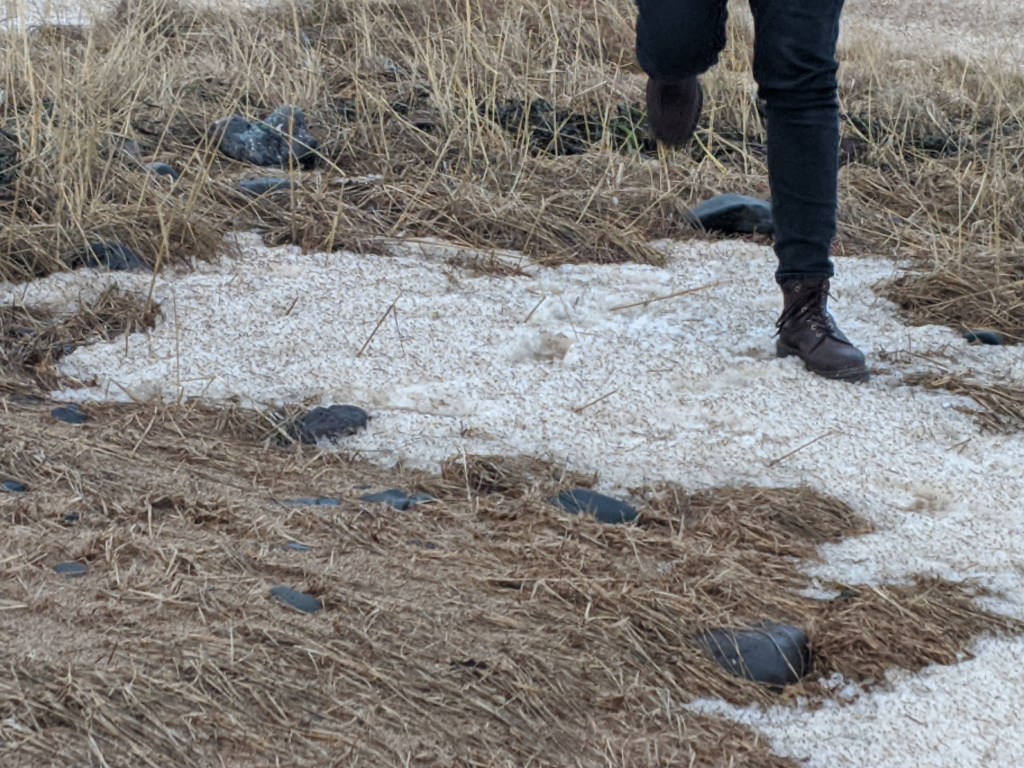
  • Use your common sense. Watching Top Gear might have led us all to believe that 4×4 driving has no limits- of course I can drive through deep snow or into the ocean! That’s not the case. If you get into an accident, not only will it be expensive, it will shake your nerves and jeopardise your trip and of course your health- so if it seems unsafe, it probably is!
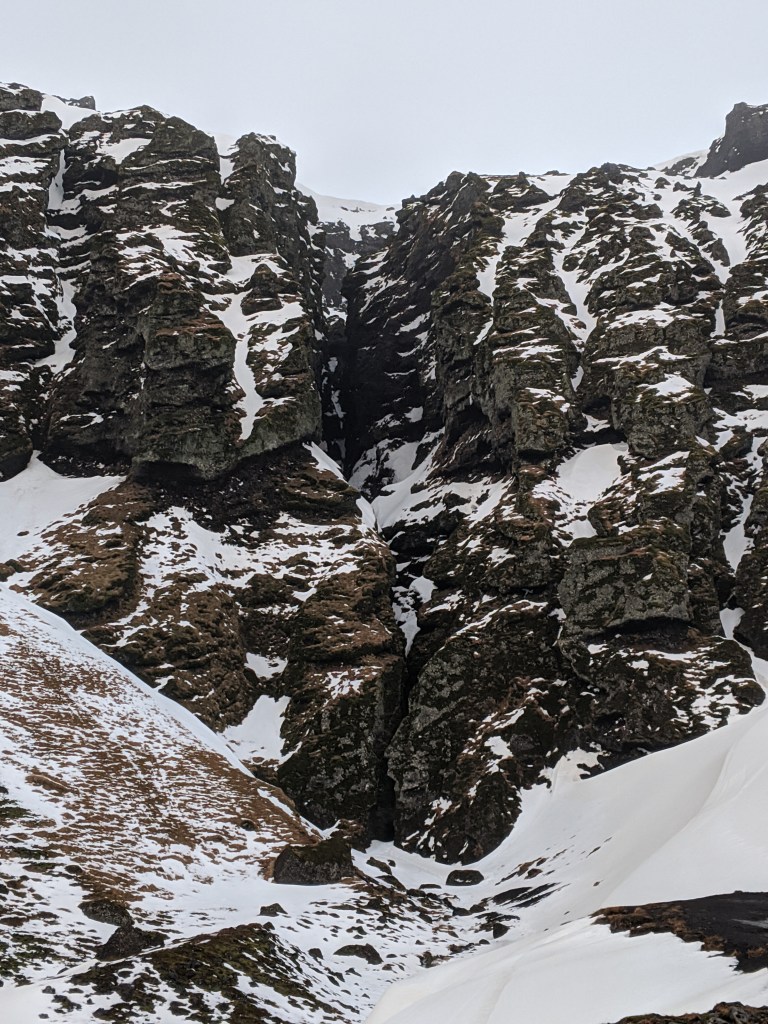
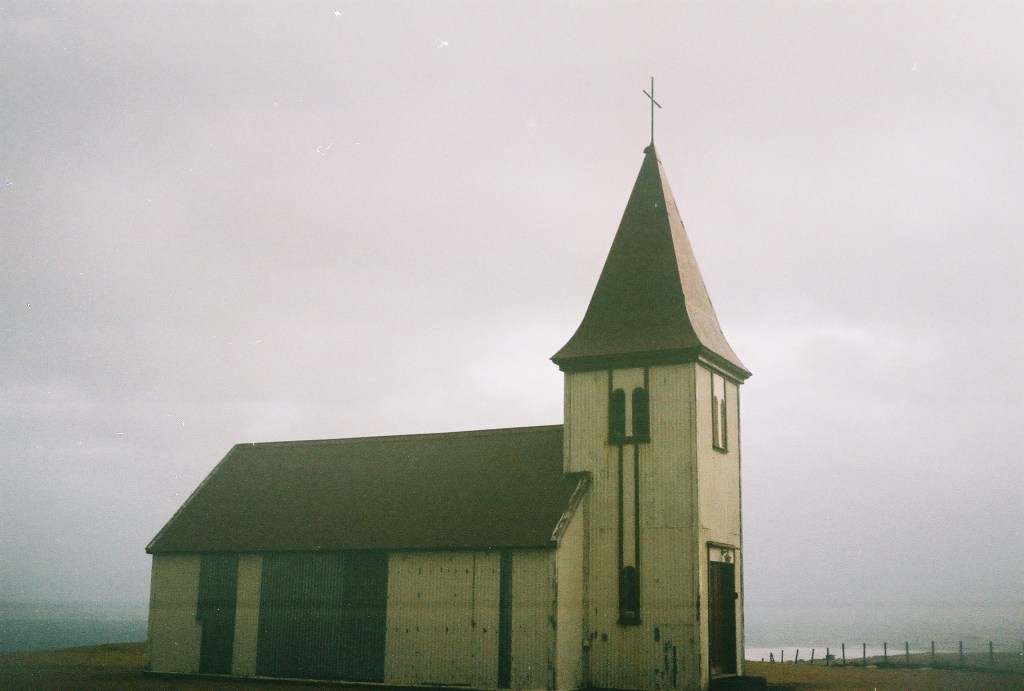
  • Stick to the daylight. Where possible, stay in day light as street lights are few and far between on roads out of the city, and being able to see the road conditions is a massive bonus;
  • Winter tyres are essential in winter months;
  • Petrol stations are self-service (put your card in first) and they have English options- check what fuel your car takes and always make sure you have enough to make it to the next town;
  • Enjoy! Put music on, take in the scenery, have your passenger take pictures, and just take in the beauty of your surroundings- most of the time it looks so beautiful it doesn’t even seem real, and so desolate and dramatic that it could truly be a different world altogether.
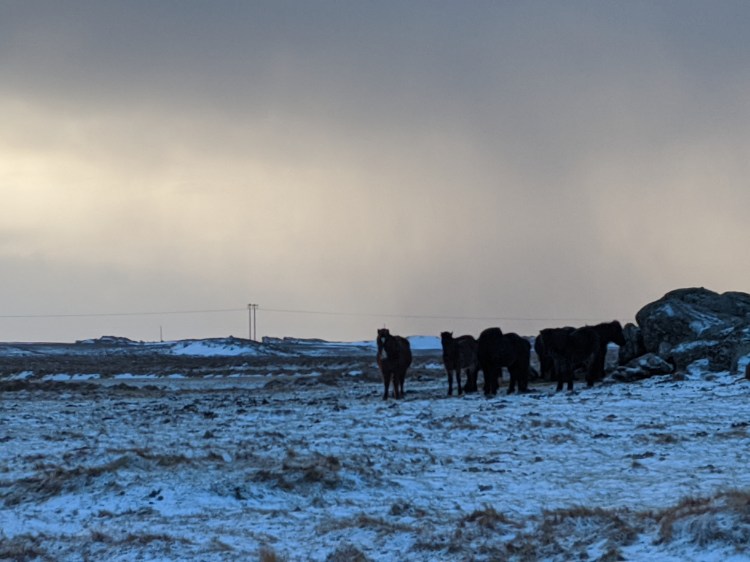
The unspoken benefit of driving, is that anywhere you go, you look like you’re taking photographs for a car advert!

A screengrab from the drive.is website, which gives an idea as to the roads!

WHAT TO PACK:
think Viking.

  • Multiple warm layers;
  • Waterproofs with hoods;
  • Hats;
  • Gloves (proper ones- not the woollen ones);
  • Scarves;
  • A good pair of boots: (Vagabonds and Doc Martens did the job);
  • Snacks – if you’re really on a budget and have room in your luggage! We took rice cakes, noodles, dried fruit etc. and it made the meals out we had all the nicer and more affordable!

    Saying this, we are never ones to buy any gear specifically for the occasion- you didn’t find us in thermal onesies and snow boots by any stretch – we weren’t planning on ascending any mountains after all.

    Make do with what you have if you’re on a budget – particularly if you’re from England/countries where the weather can get pretty grim in winter time. An added benefit of a hire car is the heaters if things do get a bit too cold to handle!

CHOOSING EXCURSIONS:

There are so many unique activities to choose between, including:

Book activities for early on in your trip if possible, just in case they have to be rearranged!

On the road between Vik and Selfoss, Iceland 2020.

IN CONCLUSION:
THE KEY WORD IS FLEXIBILITY.

Honestly, this is the one main requirement of a trip to Iceland at this time of year- we had to change plans one night, we couldn’t go as east as we had initially intended (or at least, we didn’t feel safe to) so don’t make the same mistake we did! Try to book hostels whilst you’re there if you feel comfortable doing that or just try to book places with free cancellation and make a decision within 72 hours before whether you think, all things considered, you can go ahead with your plans!

We hope you found this useful.
Please leave comments and questions below!

Design a site like this with WordPress.com
Get started